The Right Water Makes a Different Tea
Hard water flattens delicate greens; distilled water tastes hollow. A quick guide to the most overlooked ingredient.
Sameera
· 5 min read
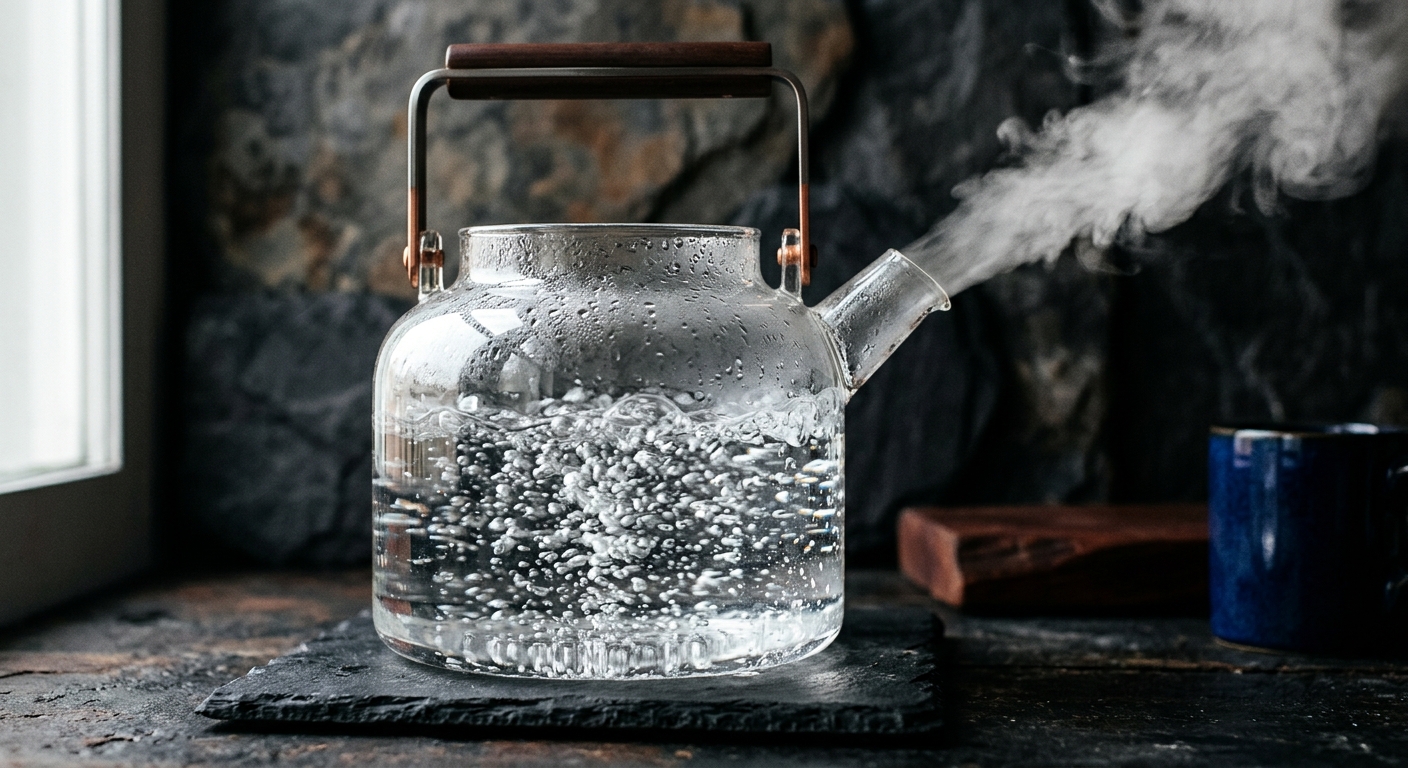
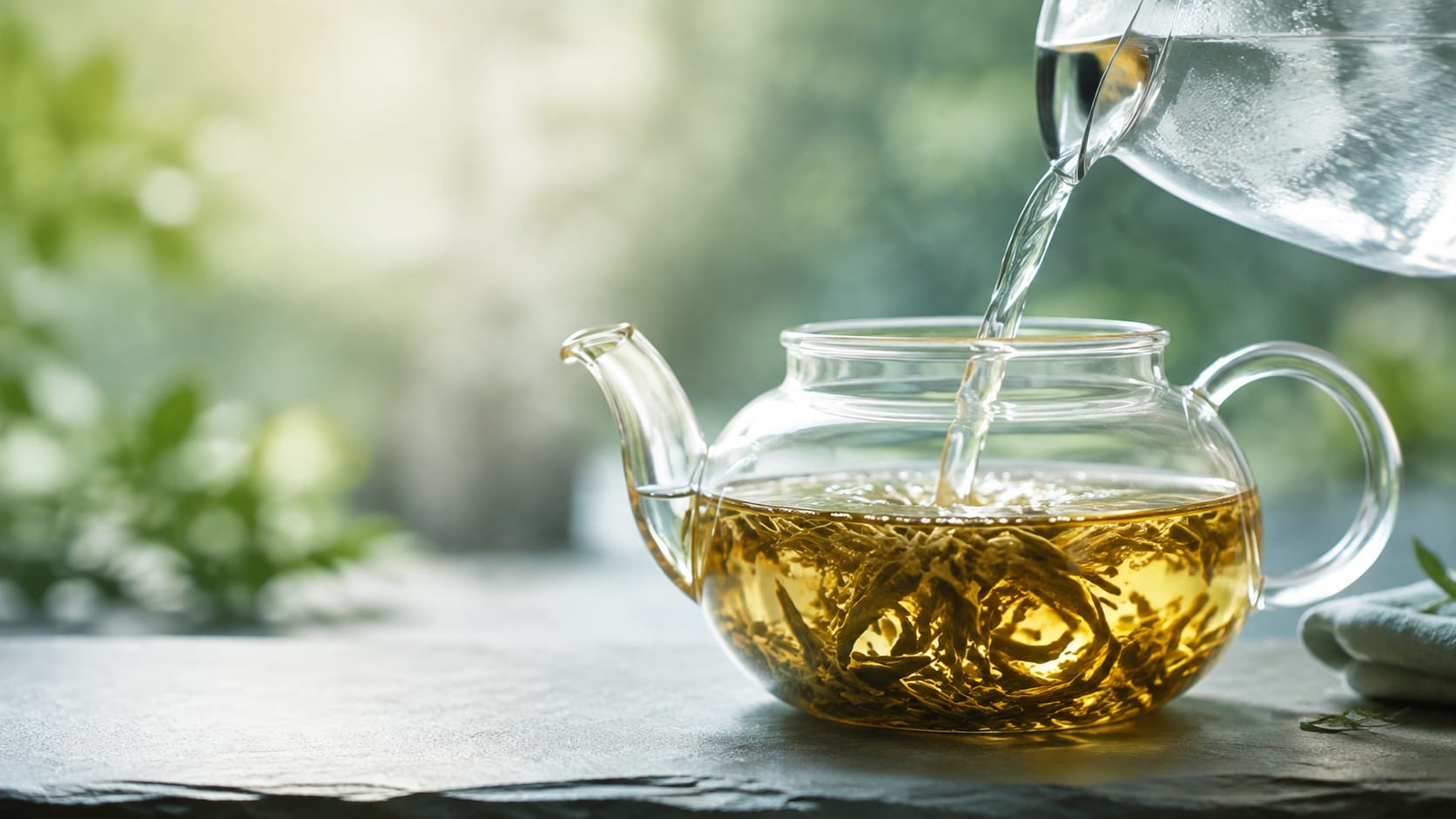
Tea is about ninety-eight to ninety-nine percent water. Think about that for a second. The other one percent — the leaves you obsess over, the price you paid, the brewing time you fuss with — is sitting in a much larger volume of an ingredient most people don't consider at all.
The four water problems.
• Chlorine. Most municipal tap water is disinfected with chlorine or chloramine. Free chlorine boils off readily; chloramine’s taste can survive boiling and dominate delicate teas. Easy fix: an activated-carbon filter pitcher. (Not all pitchers are the same—ZeroWater, for instance, uses ion-exchange resin that strips nearly all dissolved minerals, a very different result from a carbon-only filter. Read the specification.) A 24-hour rest helps with free chlorine but won’t remove chloramine.
• Hardness. High calcium and magnesium content—reported as mg/L as CaCO₃, which is not the same thing as a TDS reading—tends to make greens and oolongs taste dull. The tell-tale sign: a thin tea scum from calcium carbonate reacting with tea polyphenols on the surface of your cup.
• Distilled / RO water. Too clean. Tea brewed in fully demineralised water tastes hollow and lifeless — minerals are part of how flavour develops in solution.
• Trace contaminants. Lead pipes, sulphur, iron — most home tap water is fine, but in older buildings, run the cold tap for 30 seconds before filling the kettle.
The sweet spot. Most tea drinkers who experiment settle on soft, low-alkalinity water with a modest mineral content. That is a shared preference, not a scientific threshold, and a TDS number alone can't capture it: TDS counts everything dissolved (including sodium and chloride) and tells you nothing about hardness or alkalinity, which are what you actually taste.
The cheap test. An inexpensive TDS meter is useful for one thing: comparison. Measure tap, filtered and bottled water side by side and brew the same tea in each. Don't treat any single reading as a pass/fail—a TDS meter cannot tell you hardness, alkalinity or safety. If you want hardness and alkalinity figures, use an aquarium GH/KH test kit or your water utility's published analysis.
Choosing a bottled water. Rather than relying on brand lists (mineral analyses change and vary by source), read the label: look for low calcium, low bicarbonate and a modest total mineral content. Heavily mineralised waters generally overwhelm delicate tea.
Test it. Brew the same tea side-by-side with two different waters. You'll taste the difference in the first cup, and you won't go back.
Follow The Tea List