The Case for Loose Leaf (Over Bags)
Brew a teabag and its loose-leaf equivalent side by side and the difference is rarely close. Here's why loose leaf wins on flavour, and how little it takes to switch.
Sameera
· 8 min read
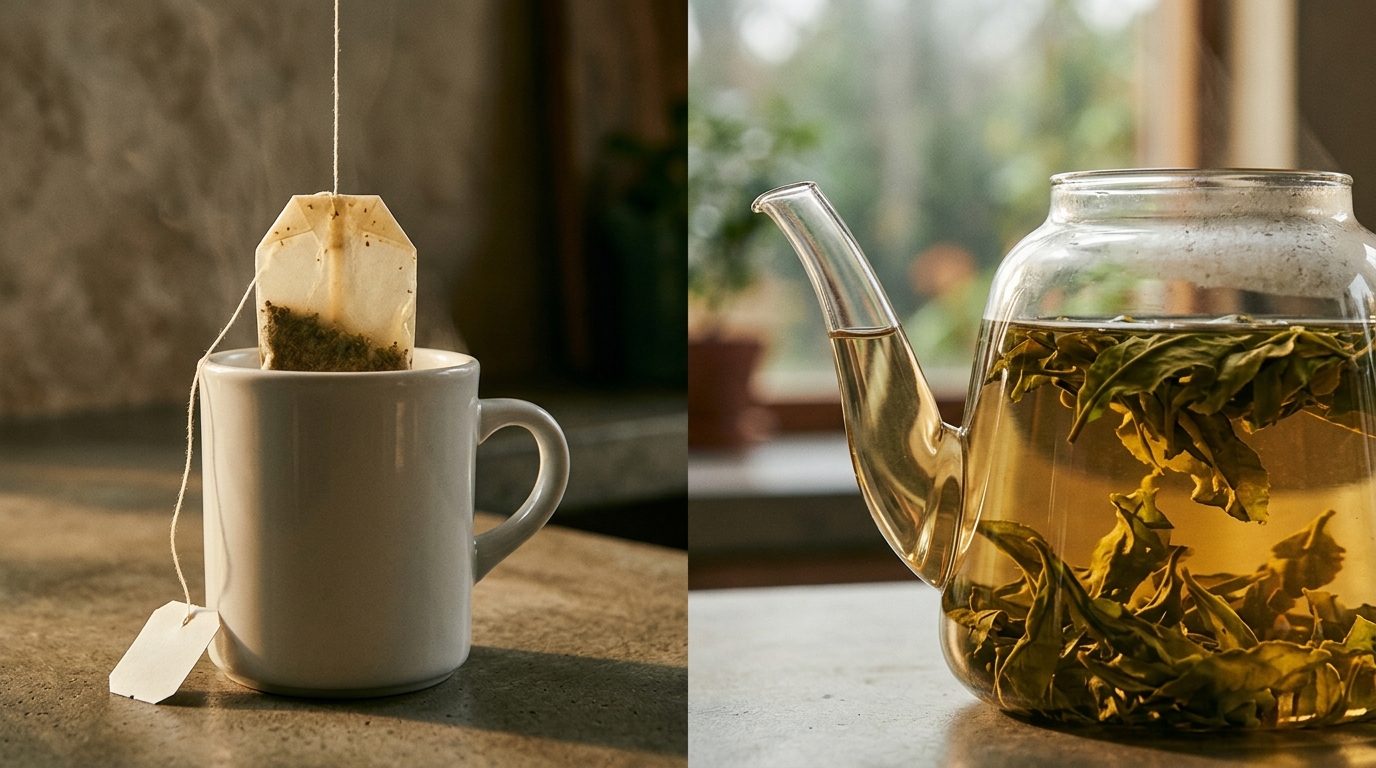
Many teabags contain small leaf grades like 'fannings' and 'dust' — fine particles produced during tea manufacture and sorting. They brew fast and taste flat. The fast brew is by design (a teabag is designed to extract quickly for short steeps, even in a hotel room) but it comes at the cost of nuance, complexity, and finish.
Loose leaf costs roughly the same per cup once you do the math. A 100g tin of decent loose-leaf English Breakfast yields about 40 cups; a box of 80 'gold standard' teabags yields about 80. The per-cup price is often in the same ballpark, depending on brand and where you buy. The difference in cup quality is the difference between instant coffee and a pour-over.
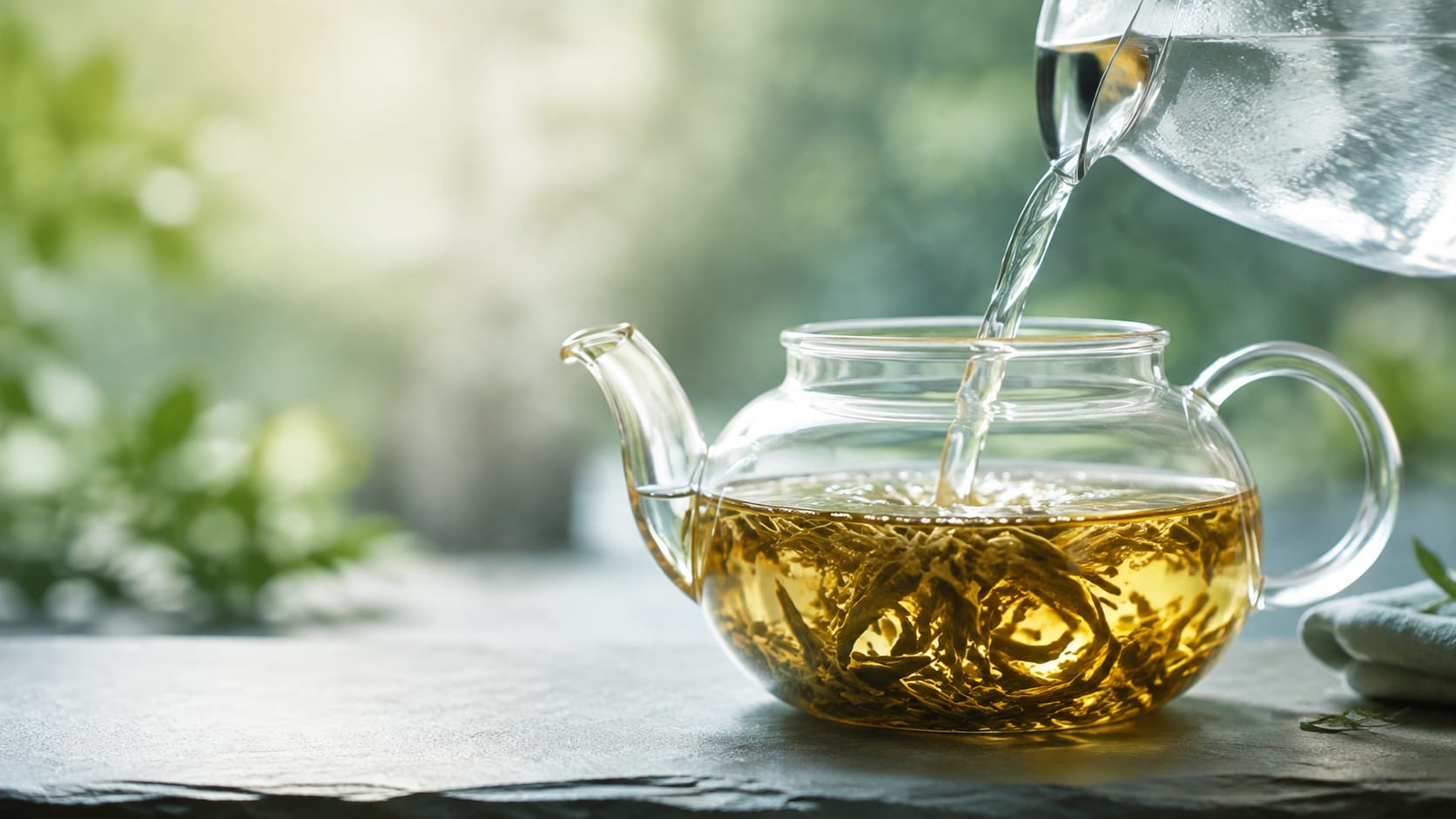
Brew a supermarket teabag and a loose-leaf version of the same style side by side — English Breakfast, Earl Grey, sencha, oolong — and the difference is usually obvious in the cup: more aroma, more body, less of the flat, papery edge. Even an inexpensive bulk loose-leaf Assam will typically outperform a premium pyramid bag of the same tea. That's the general experience of tea drinkers who make the switch, and it's easy to test for yourself.
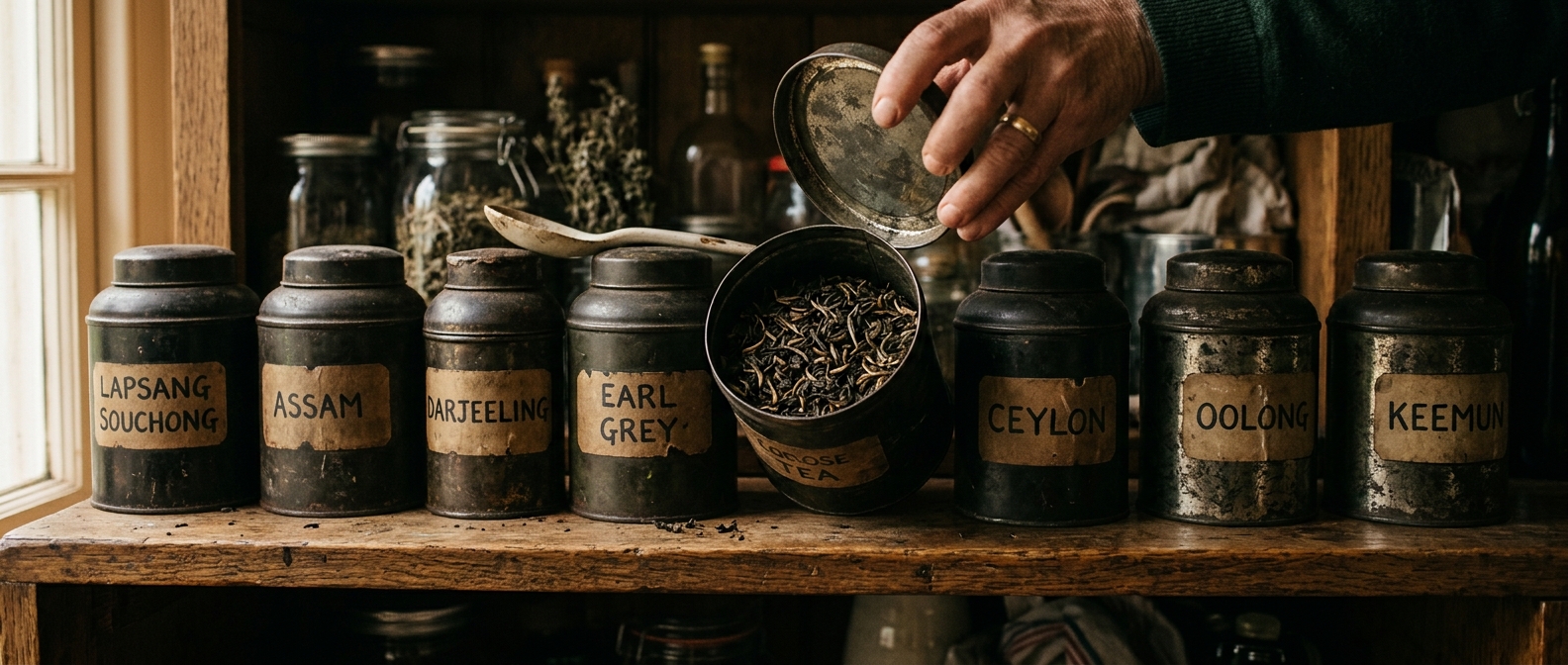
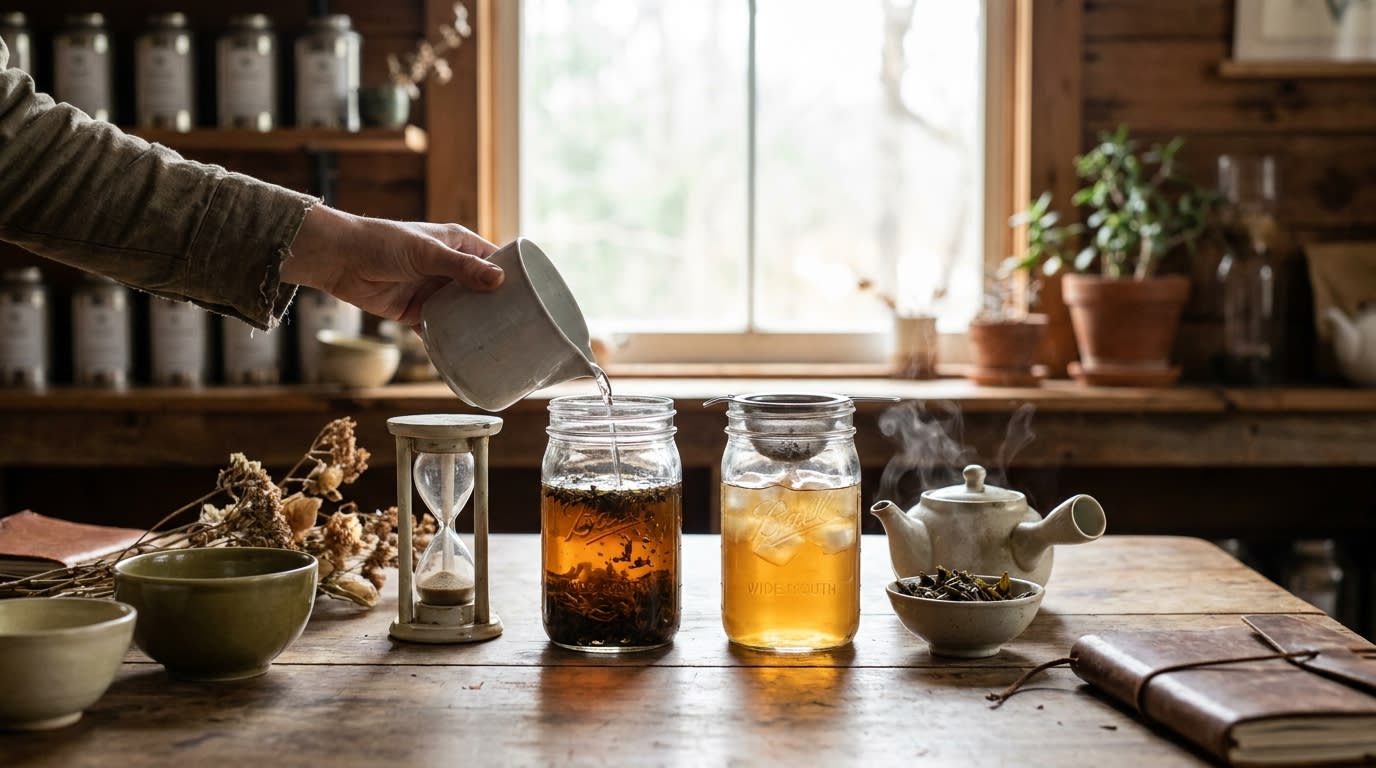
You don't need much equipment to switch. A simple stainless mesh basket that drops into your existing mug. A kettle. A timer (your phone will do). The outlay is small if you already have a kettle and a phone. The leaves themselves are easier to find than ever — most decent specialist online shops will deliver to your door within a week.
Start with one tea you already love in bag form, buy the loose-leaf equivalent, and brew them side by side. Once you see the gap, you can't unsee it.
Follow The Tea List