The Gongfu Ceremony: China's Meditative Brewing Ritual
Small pot, lots of leaf, short infusions. The Chinese brewing method that turns a single tea into a 90-minute conversation.
Sameera
· 8 min read
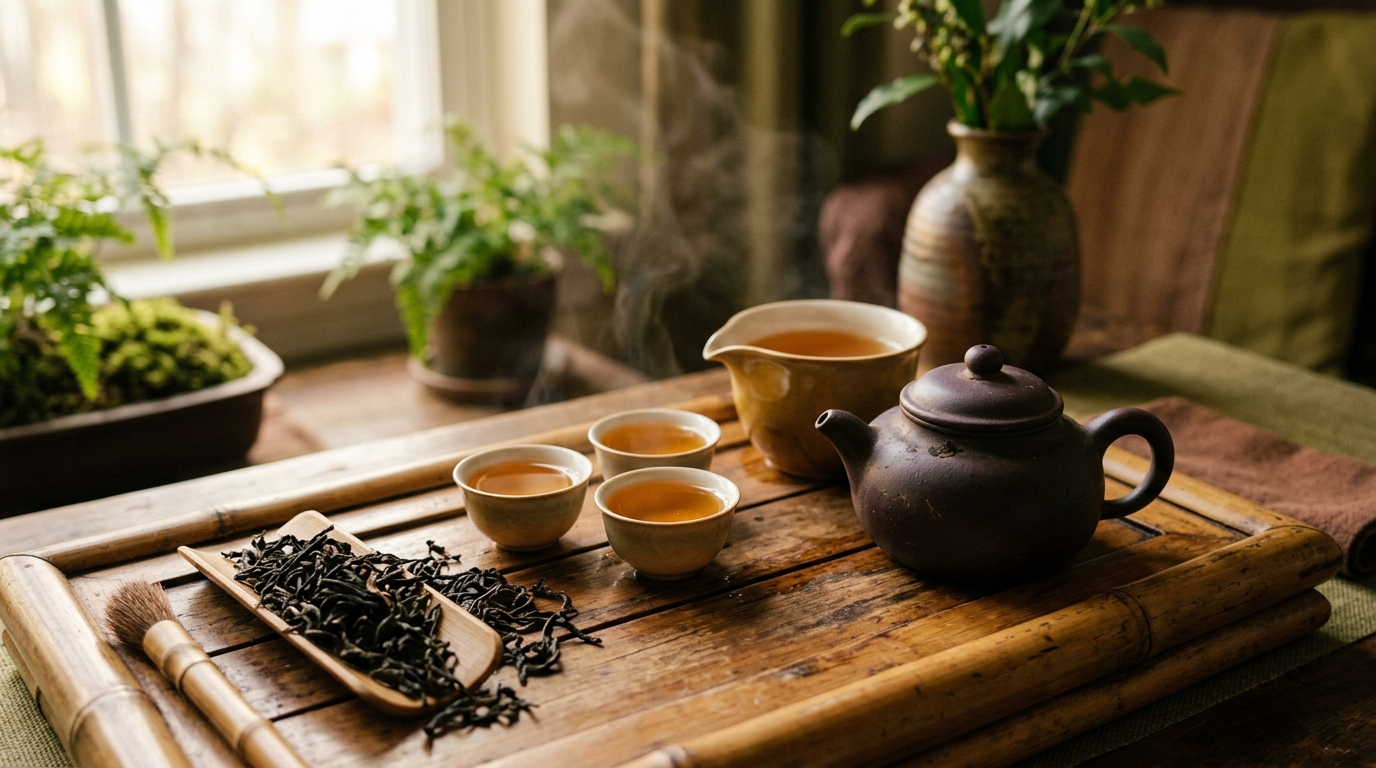
Gongfu cha (工夫茶) literally means 'tea made with skill.' It is a prevalent traditional brewing method in southern China, Taiwan, and Hong Kong — and once you understand it, you'll find that almost every other home brewing method seems wasteful by comparison.
The basic principle. Use a small vessel (100–150ml) and a lot of leaf (around 5–8 grams), then make many short infusions instead of one long one. Early infusions are typically 10–30 seconds. A good tea will give you perhaps 6 to 12 infusions before it fades. All of these numbers are starting points that vary with the tea, the vessel and your taste—rolled oolongs, flat greens and compressed pu-erh all behave differently. Each cup tastes meaningfully different from the last.
The equipment. You don't need much.
• A gaiwan (lidded brewing cup) or a small clay yixing pot, 100–150ml
• A glass or porcelain fairness pitcher (cha hai) for decanting
• Small tasting cups (30–50ml each)
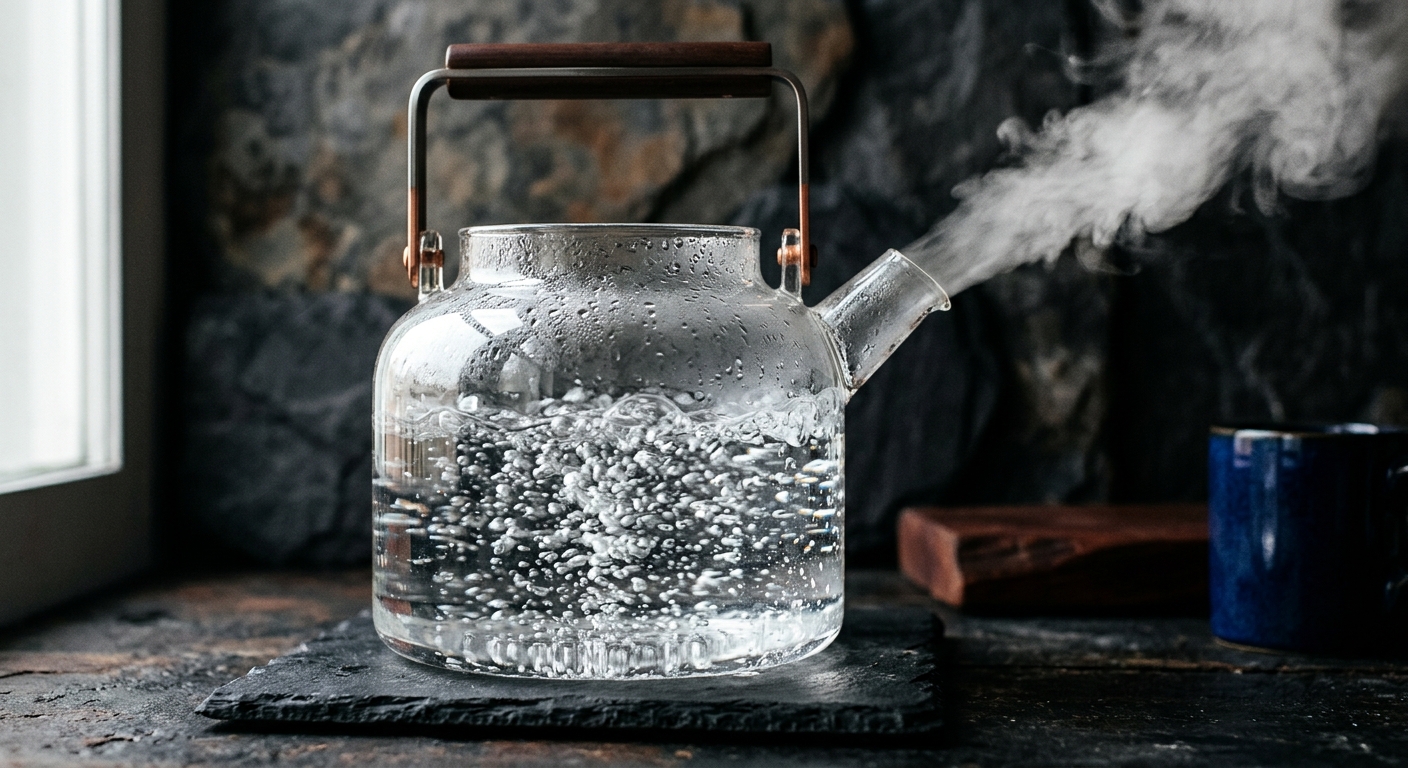
• A kettle that will hold temperature
• A wooden tea tray to catch the spills (optional but helpful)
A basic gongfu set costs $40–60. Yixing pots can run into the hundreds; ignore them until you're sure you love the practice.
The method.
1. Warm the vessels. Pour hot water into the gaiwan and the cups, swirl, and discard. This wakes up the porcelain and stops the next pour from cooling too fast.
2. Measure the leaf. 5–8 grams in a 120ml gaiwan. By eye: enough leaf to cover the bottom of the vessel two layers deep.
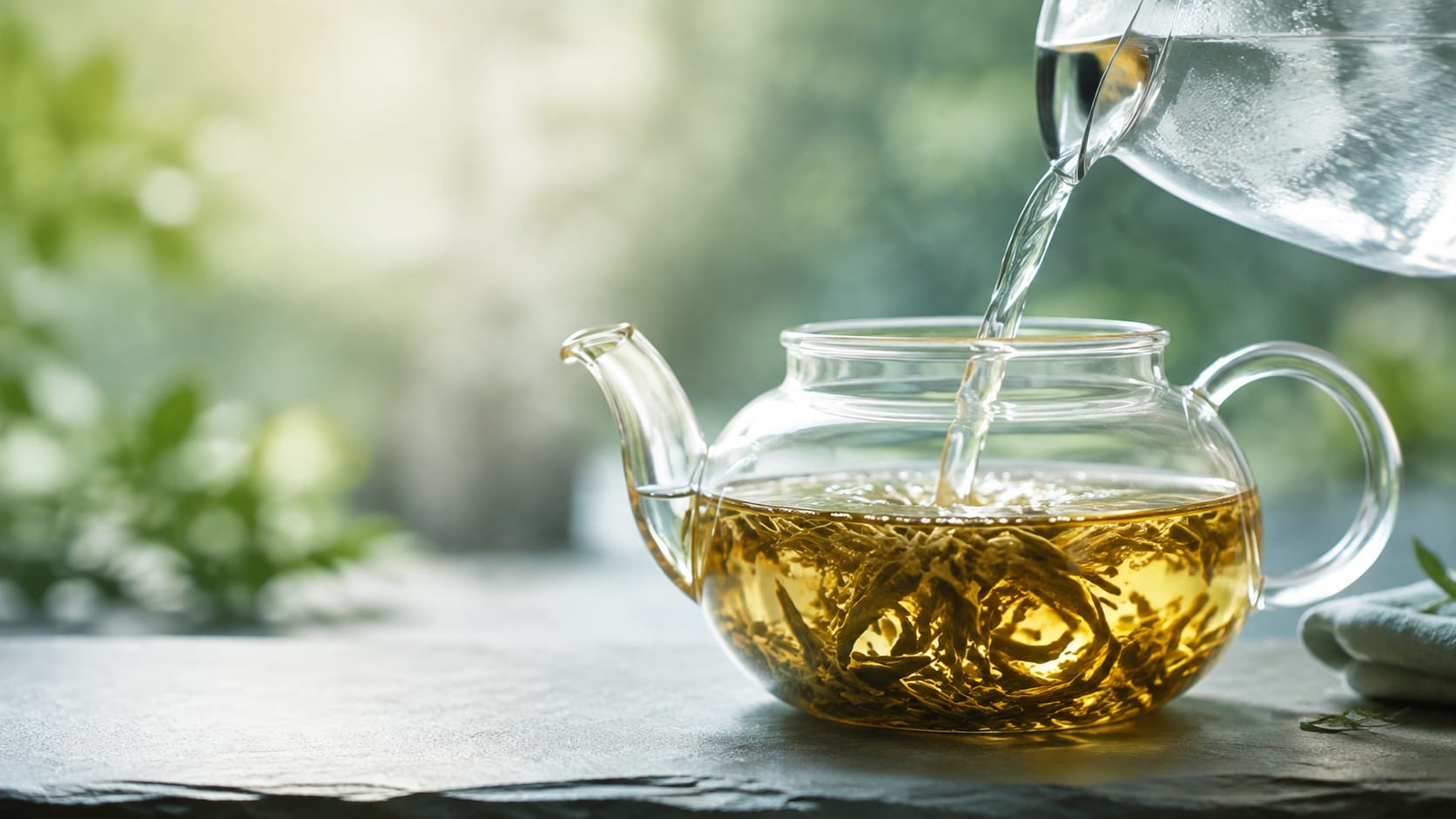
3. Rinse the leaf (optional). Pour hot water over the leaf, immediately decant into the fairness pitcher, and discard. This 'wakes up' tightly rolled or compressed leaf and rinses off loose dust. It is a flavour step, not a safety step—a few seconds of hot water doesn't sterilise anything, so buy tea you trust.
4. First infusion: 10 seconds. Pour, count, decant into the fairness pitcher, then divide between the cups.
5. Repeat. As a rule of thumb, each subsequent infusion gets a little longer than the last; adjust by taste rather than by stopwatch.
Why bother. Because tea reveals itself in layers. The first infusion of a good oolong is bright and floral. The third is creamy and sweet. The seventh is mineral and stone-like. The same leaf, re-extracted, becomes a different tea over the course of an afternoon.
And because, eventually, you stop measuring and start listening — to the leaf, to the water, to the conversation you're having with whoever is sitting across from you. Gongfu cha is, at its best, a form of slow, structured attention. The tea is the excuse.
Follow The Tea List