Georgia (the Country): Europe's Oldest Tea Culture
Tucked between the Black and Caspian Seas, the Caucasian republic of Georgia has been growing tea since the 1840s — and almost nobody outside the region knows it.
Sameera
· 7 min read
If you ask a tea drinker to name the European country that grows the most tea, you'll get blank stares. Excluding Turkey, the answer is Georgia — the Caucasian republic between Russia and Turkey, on the eastern shore of the Black Sea. And the country has been at it since the 1840s.
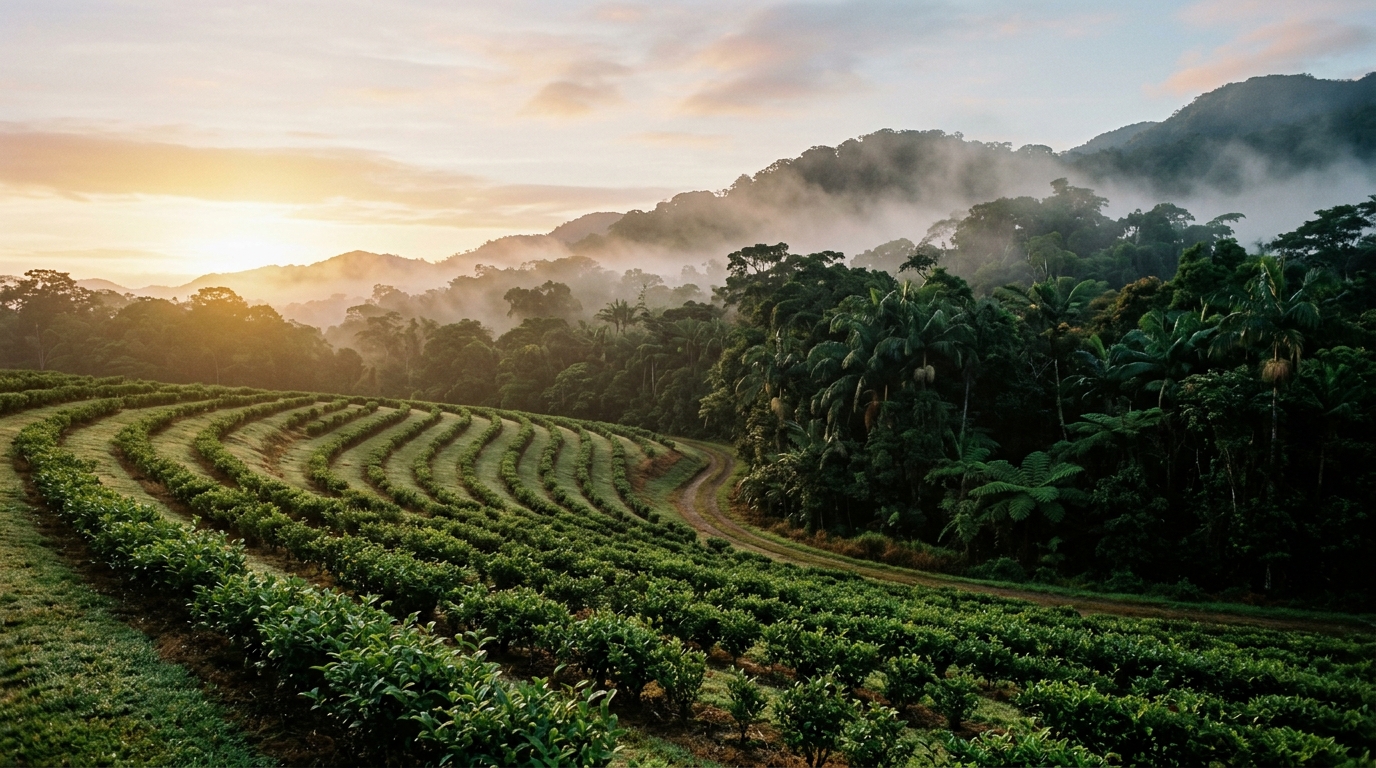
The Tsarist origin. Tea was first planted in Georgia in the 1840s, when the Russian Empire — desperate to develop a domestic supply and break Chinese dominance — encouraged commercial cultivation in the warm, humid Black Sea coast. Lao Jin Jao, a Chinese tea master, was brought to Chakvi in Adjara in the 1890s to establish the first commercial plantations. By 1900, Georgia was supplying significant volumes of black tea to the Russian market.
The Soviet boom. Under the Soviet Union, Georgian tea production exploded. By the 1980s, Georgia was producing 100 million kilograms of tea per year — making it the largest tea producer in Europe and one of the largest in the world. Almost all of it was consumed inside the USSR.
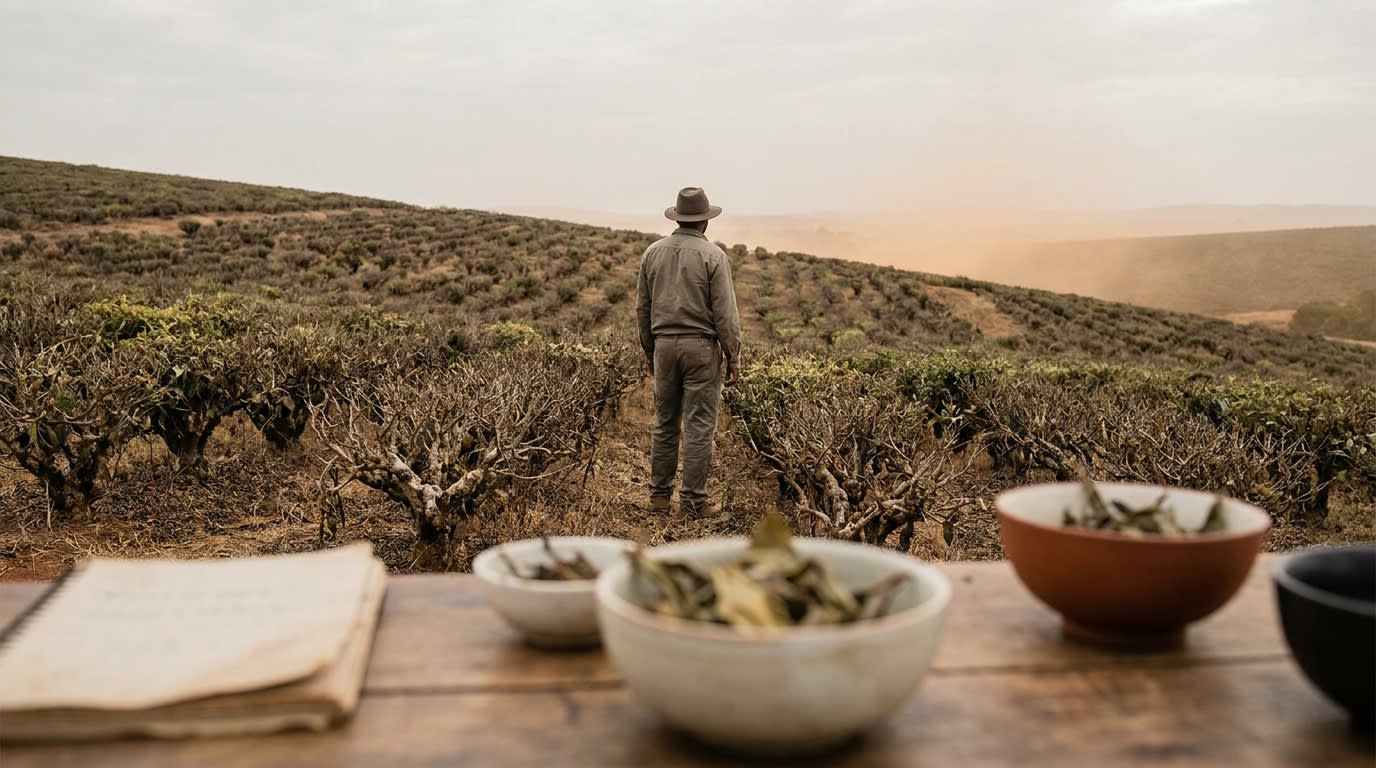
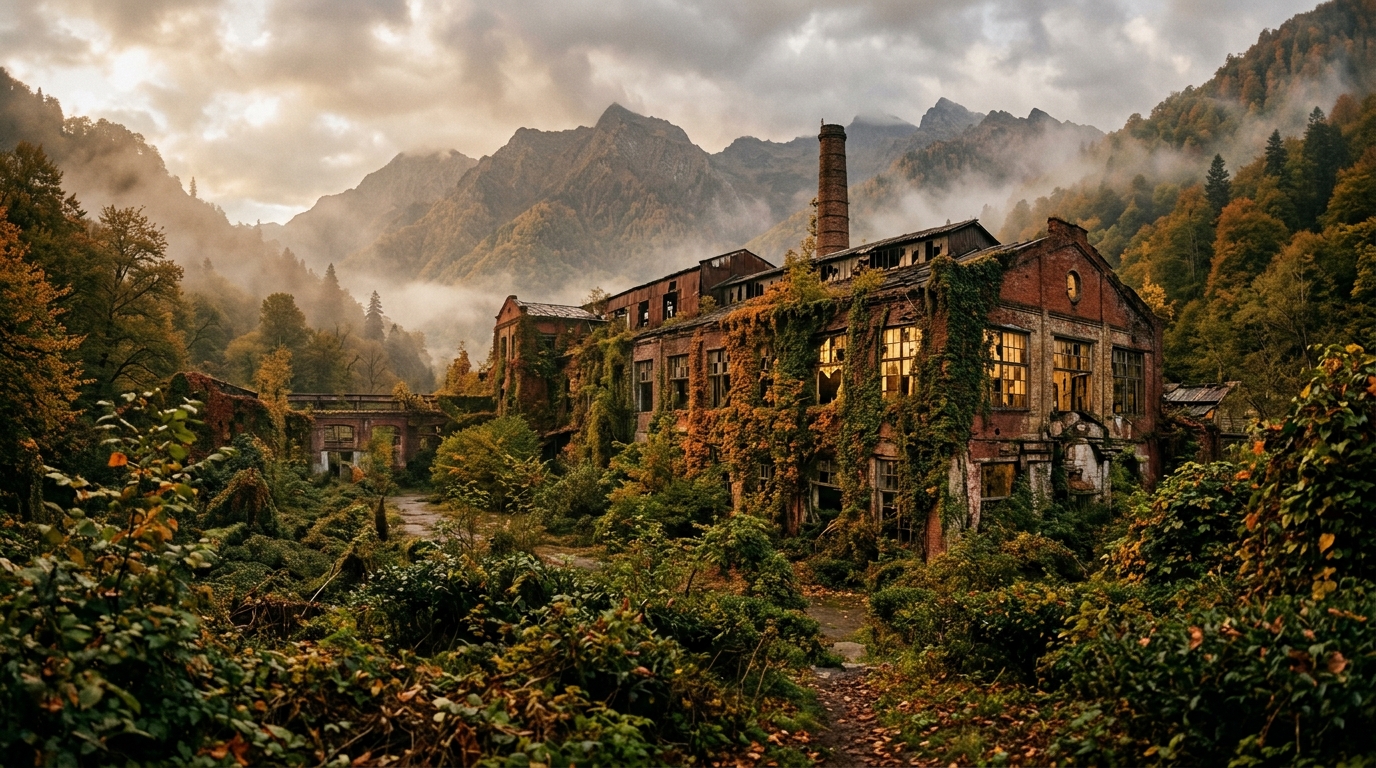
The 1991 collapse. When the Soviet Union dissolved, the centralised tea industry collapsed with it. Plantations went unworked, factories closed, and within a decade Georgian tea production had fallen by 95%. By 2010, the country was producing less than 5 million kilograms a year.
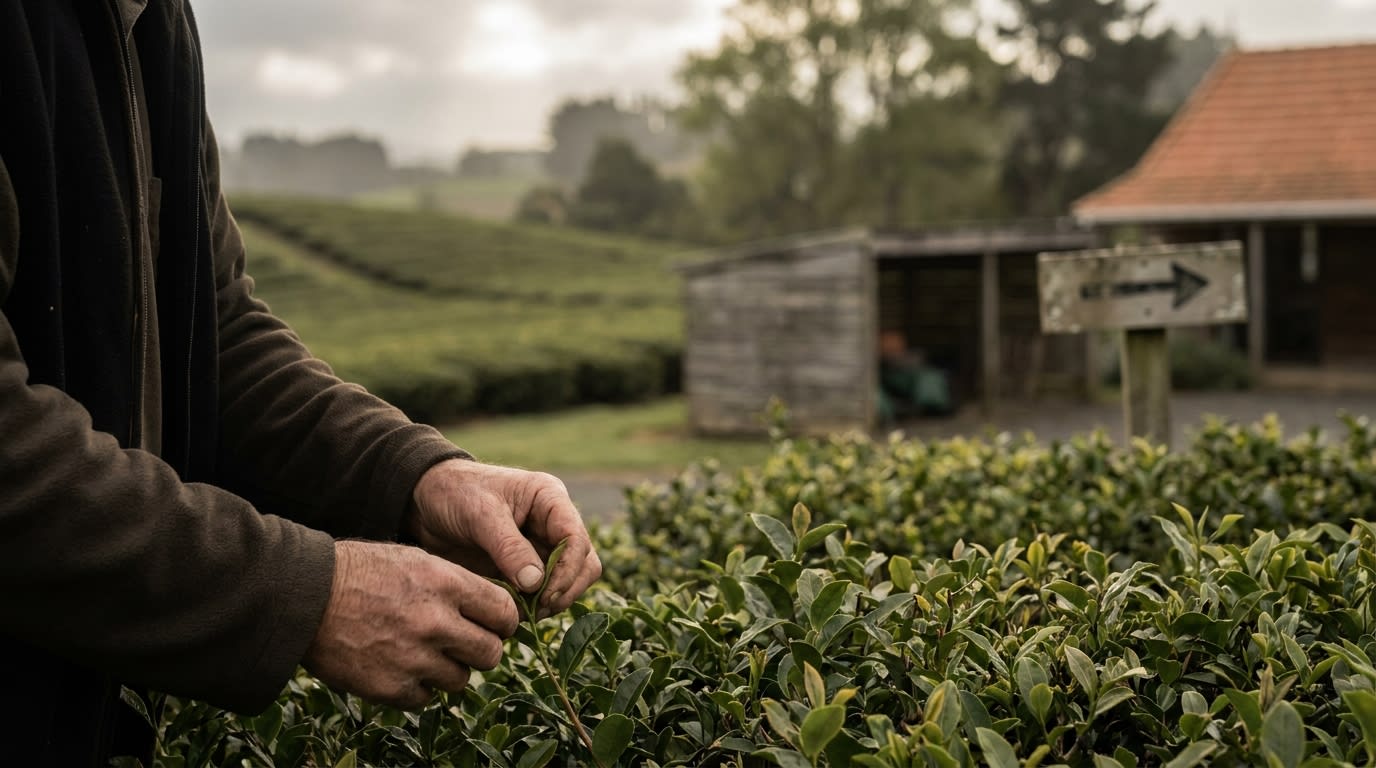
The 21st-century revival. Over the last decade, a new generation of Georgian tea makers — many of them returning from abroad with specialty-tea experience — have been reviving abandoned gardens and reintroducing orthodox processing. Estates like Anaseuli, Renegade Tea Estate (founded by Estonian and Lithuanian partners in 2017; first harvest 2018), and Manglisi are producing small-batch white, black, and even oolong-style teas to international standards.
The flavour. Georgian black tea has a distinctive character — soft, slightly malty, low astringency, with notes of dried fruit and honey. Excellent with or without milk. The whites and oolongs being produced by the new specialty estates show genuine promise; some have won international competitions.
If you've never tried Georgian tea, it's worth seeking out a Renegade or Anaseuli online. You'll be drinking tea history dating back to the 1840s — most of it, until a decade ago, almost lost.
Follow The Tea List