Da Hong Pao: The Tea Once Auctioned for a Fortune
Why a handful of old bushes on a Chinese cliff produced a tea whose 2002 and 2005 auction lots became legend — and what the Da Hong Pao you can actually buy has to do with them.
Sameera
· 6 min read
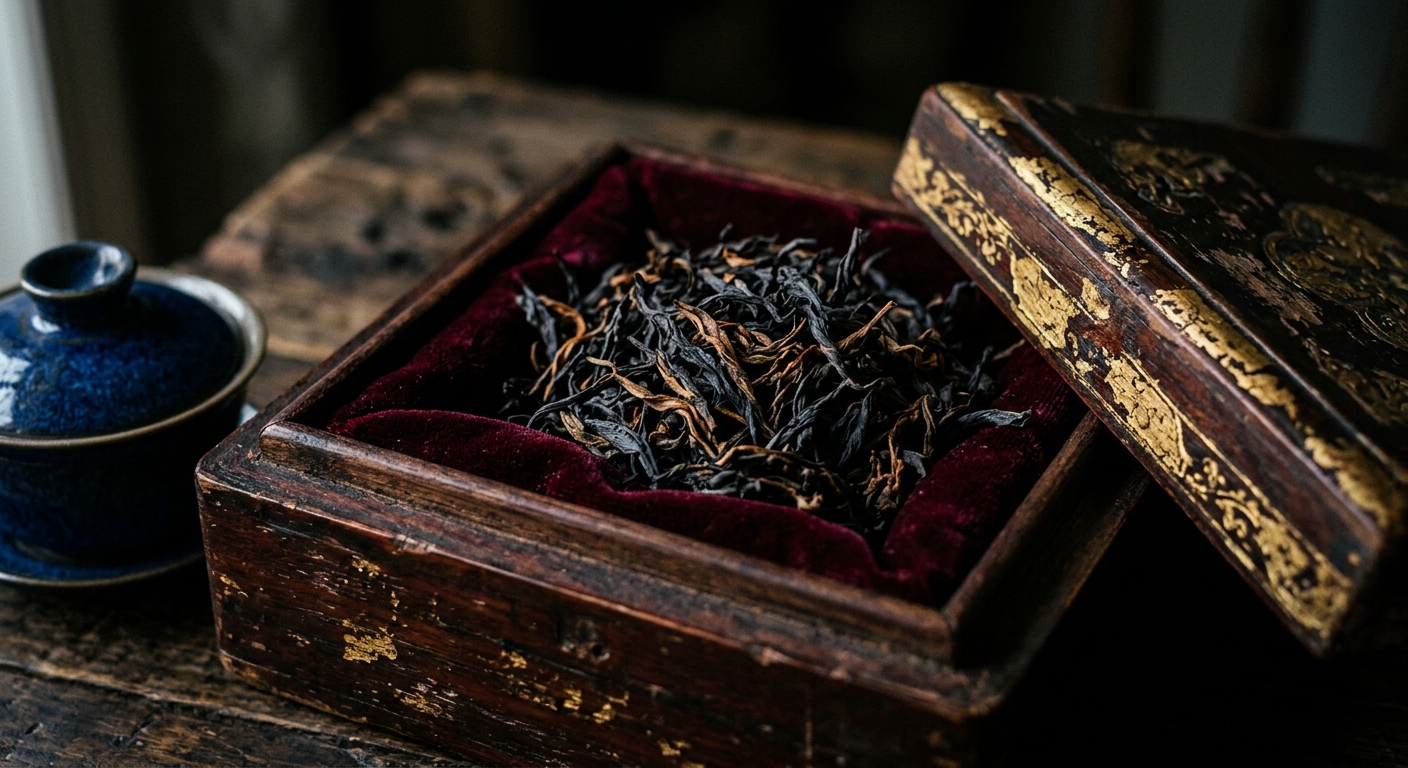
The numbers that made Da Hong Pao famous come from two widely reported auctions in China: in 2002, a 20-gram lot of leaf attributed to the original mother bushes sold in Guangzhou for 180,000 yuan, and in 2005 another 20-gram lot sold in Wuyishan for 208,000 yuan — roughly 9,000 to 10,400 yuan per gram at the time. We give those figures in yuan and leave them undated-metal-price comparisons alone: gold and platinum prices move daily, so any "X times the price of gold" multiple would be out of date as soon as it was printed. What the auctions show is that a handful of leaves with a story attached can briefly command a price unrelated to flavour.
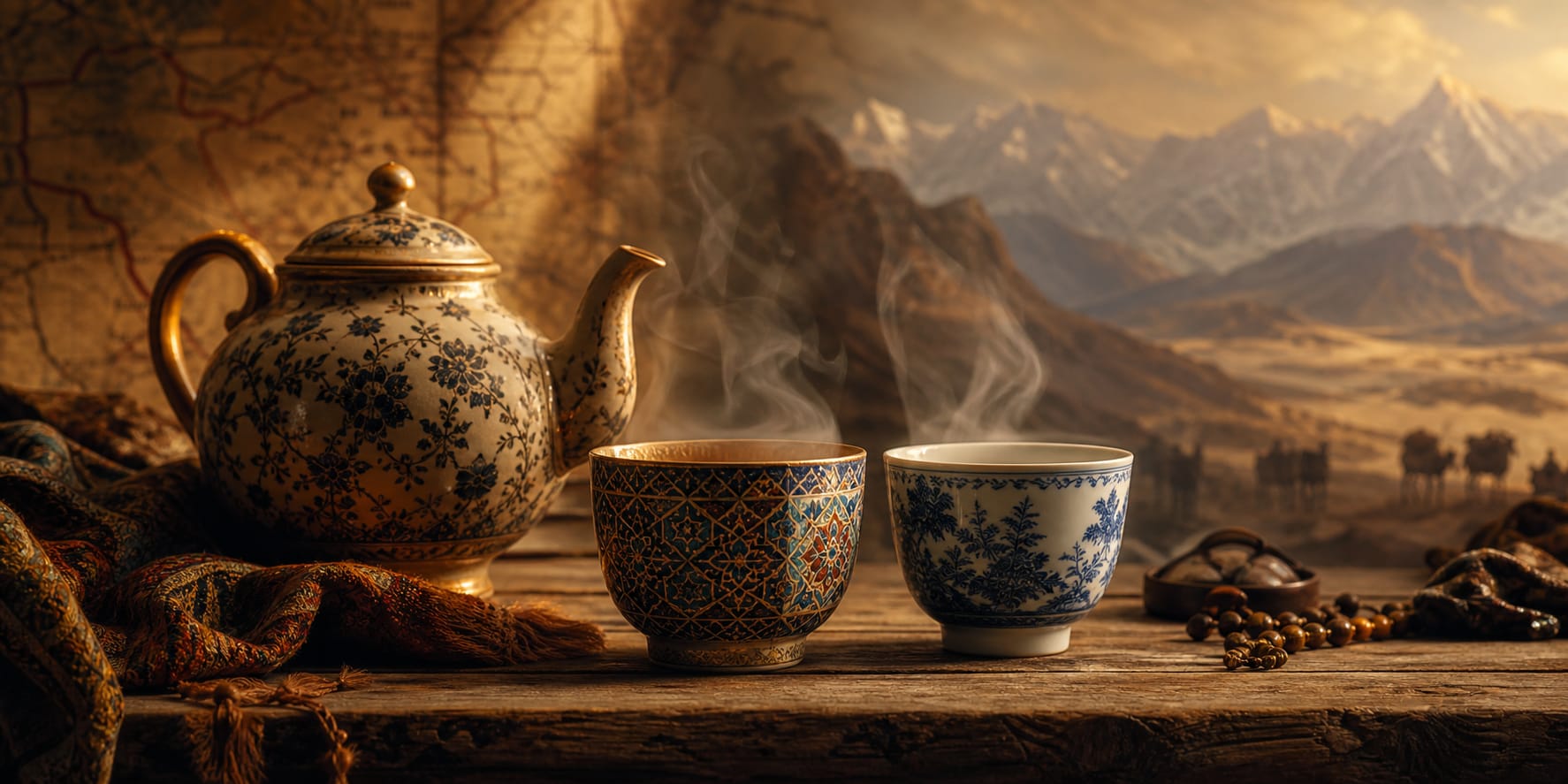
The lineage. Da Hong Pao is the most famous of the Wuyi rock teas (yancha) — medium-to-high oxidised oolongs grown on the steep mineral cliffs of Wuyishan in northern Fujian. The legend centres on a small group of old bushes growing from a cliff at Jiulongke — most accounts count six, though descriptions of the planting vary between sources. They are protected by the Wuyishan authorities and have not been harvested since 2006, so no tea from them is in current production.
Why the Wuyi cliffs matter. Much of the Wuyi range is Danxia red sandstone laid down roughly 70–100 million years ago. Tea bushes growing in the fissures of this rock — sometimes on terraces no wider than a person — draw nutrients from soils weathered from the stone. The result is the famous yan yun (rock rhyme), a flinty, mineral pull at the back of the throat that no other tea on Earth quite captures.
The clonal versions. Cuttings from the mother trees were taken from the 1950s onward and planted across the Wuyi protected zone. These propagated Da Hong Pao lines now produce excellent commercial tea — often sold as Da Hong Pao or as single-cultivar Qi Dan or Bei Dou (Que She is a separate Wuyi cultivar). Prices for these run from everyday to very expensive depending on the maker, roast and harvest; check a named, dated listing rather than relying on a range printed here.
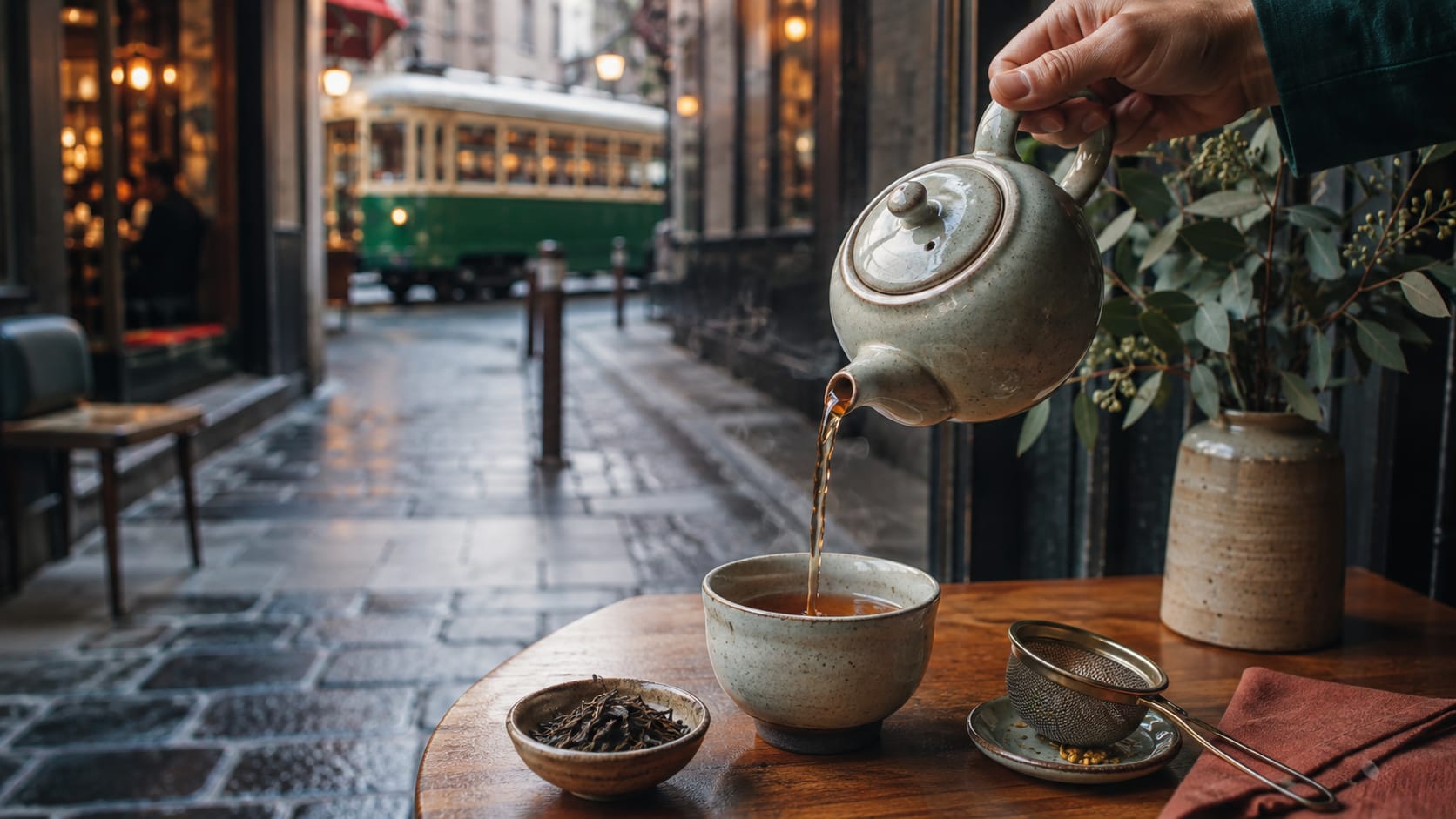
What it tastes like. A good Da Hong Pao gives you stone fruit (dried apricot, pitted plum), dark caramel, a faint smokiness from the traditional charcoal roast, and that signature mineral pull. Brew gongfu-style: 5g in a 100ml gaiwan, water just off the boil, 15-second infusions getting longer each round. A proper Da Hong Pao gives you ten or more substantive infusions.
Should you buy it? If you're starting your oolong journey, no — start with a Tieguanyin or a Taiwanese Dong Ding. If you've drunk roasted oolongs for a year and want to step into the deep end, yes. A tin of decent commercial Da Hong Pao is one of the great-value experiences in tea.
Follow The Tea List