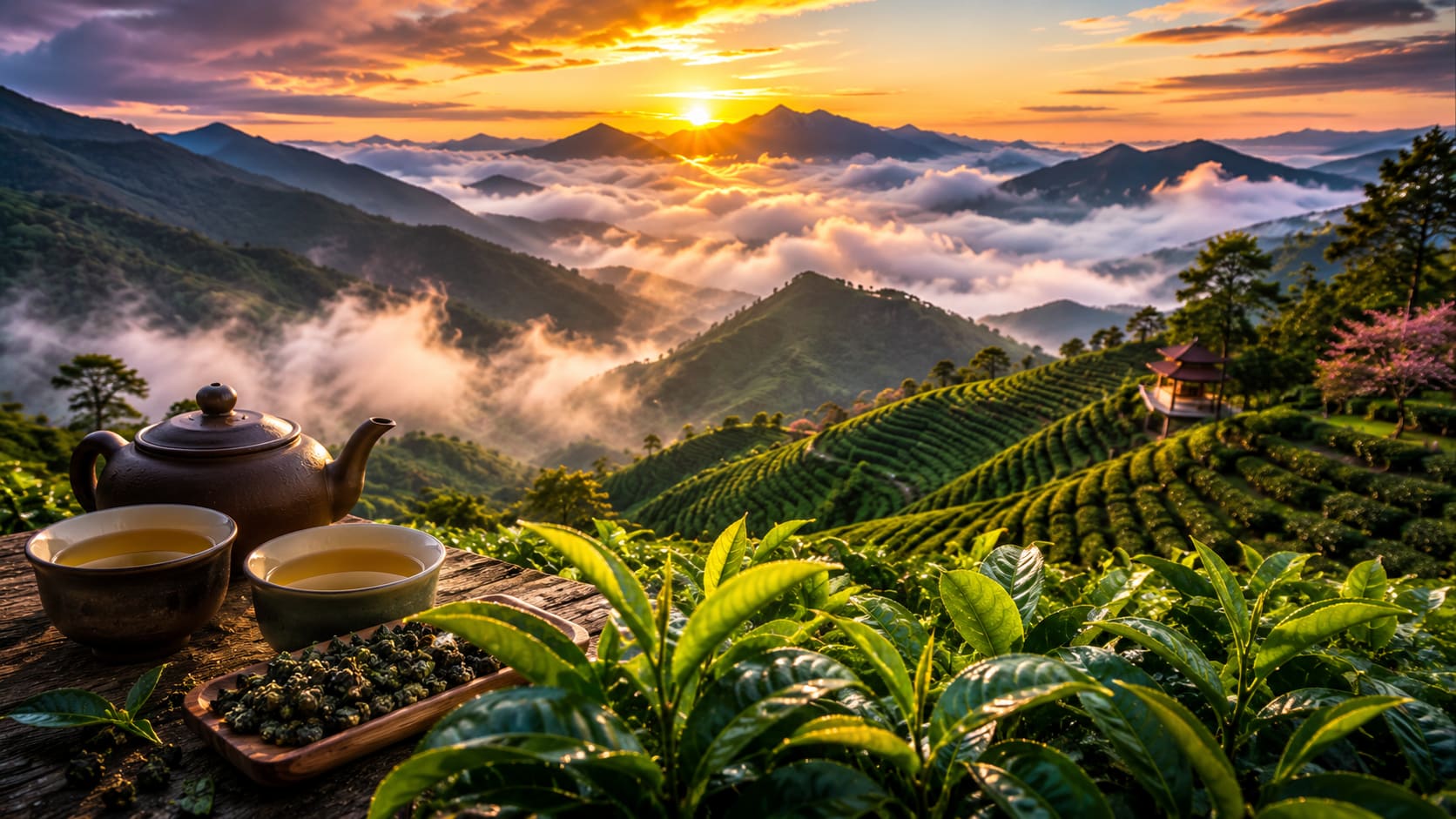
Sri Lanka (Ceylon): The Island That Became a Tea Nation
Ceylon was a coffee island until leaf rust, first reported in 1869, devastated the plantations. Tea—already planted commercially in 1867—took over, and one of the world's great tea regions was born.
Sameera
· 8 min read
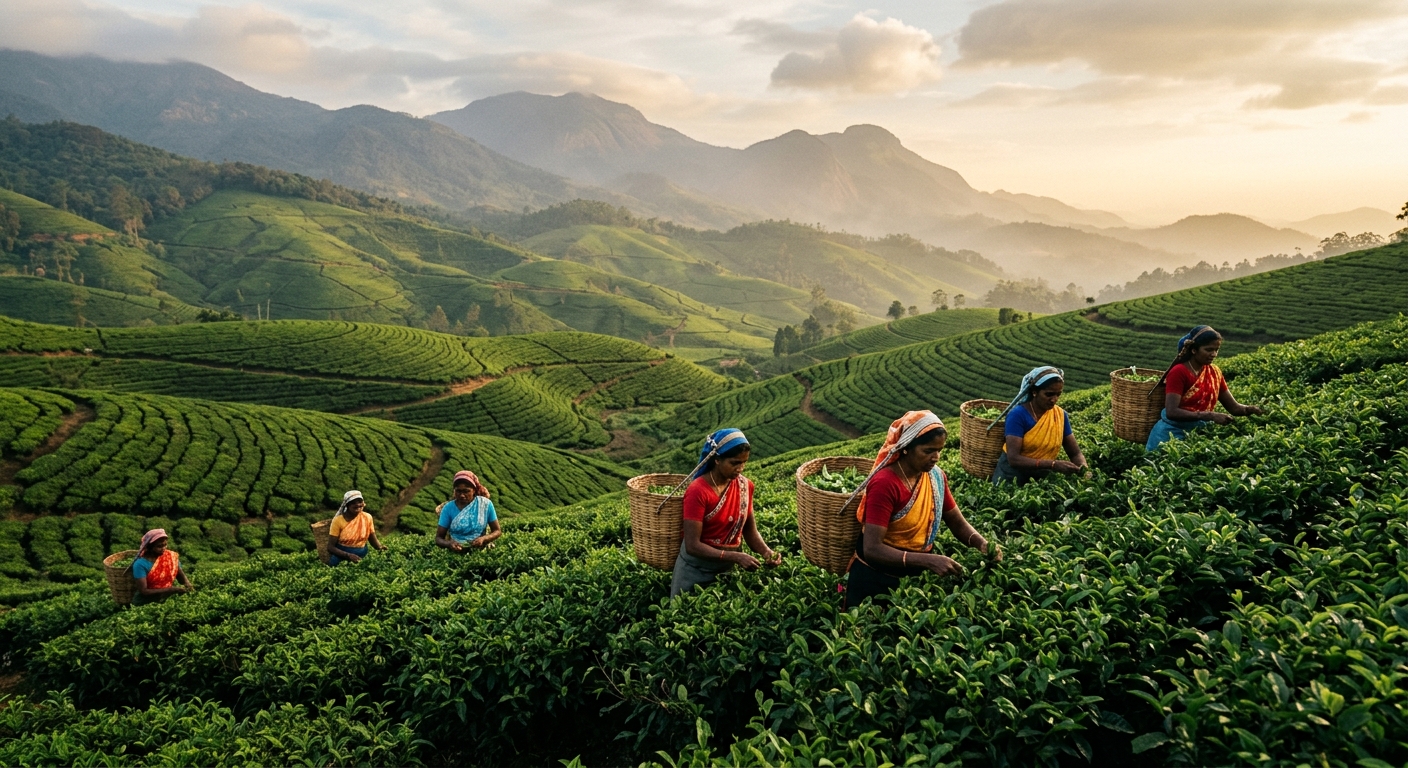
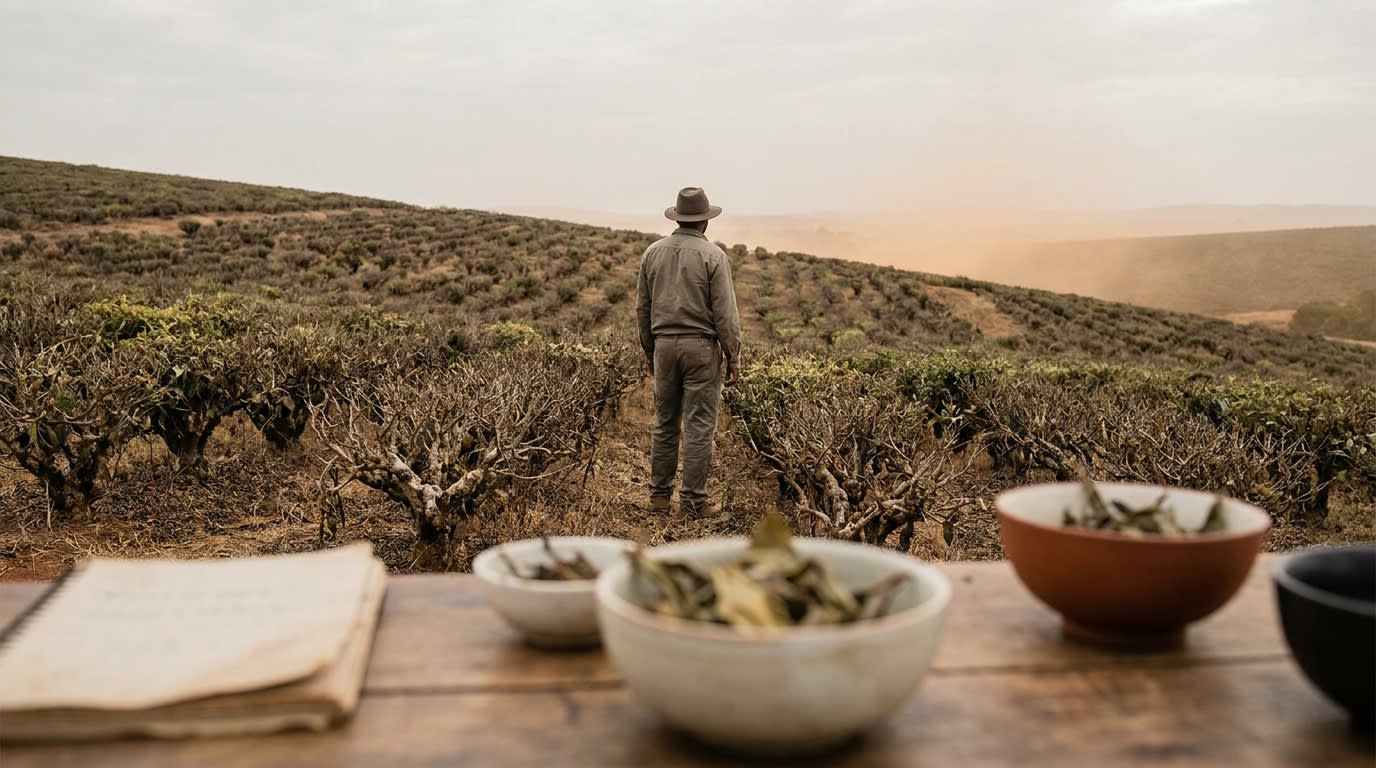
Until the late 1860s, the British colony of Ceylon — modern Sri Lanka — was a coffee island. Vast highland plantations were producing some of the empire's finest beans. Then coffee leaf rust — the fungus Hemileia vastatrix, first reported on the island in 1869 — spread through the plantations and within two decades had devastated the colony's coffee industry. Tea was not an afterthought: commercial tea cultivation had already begun in 1867, two years before the blight was reported, and planters expanded it rapidly as coffee failed.
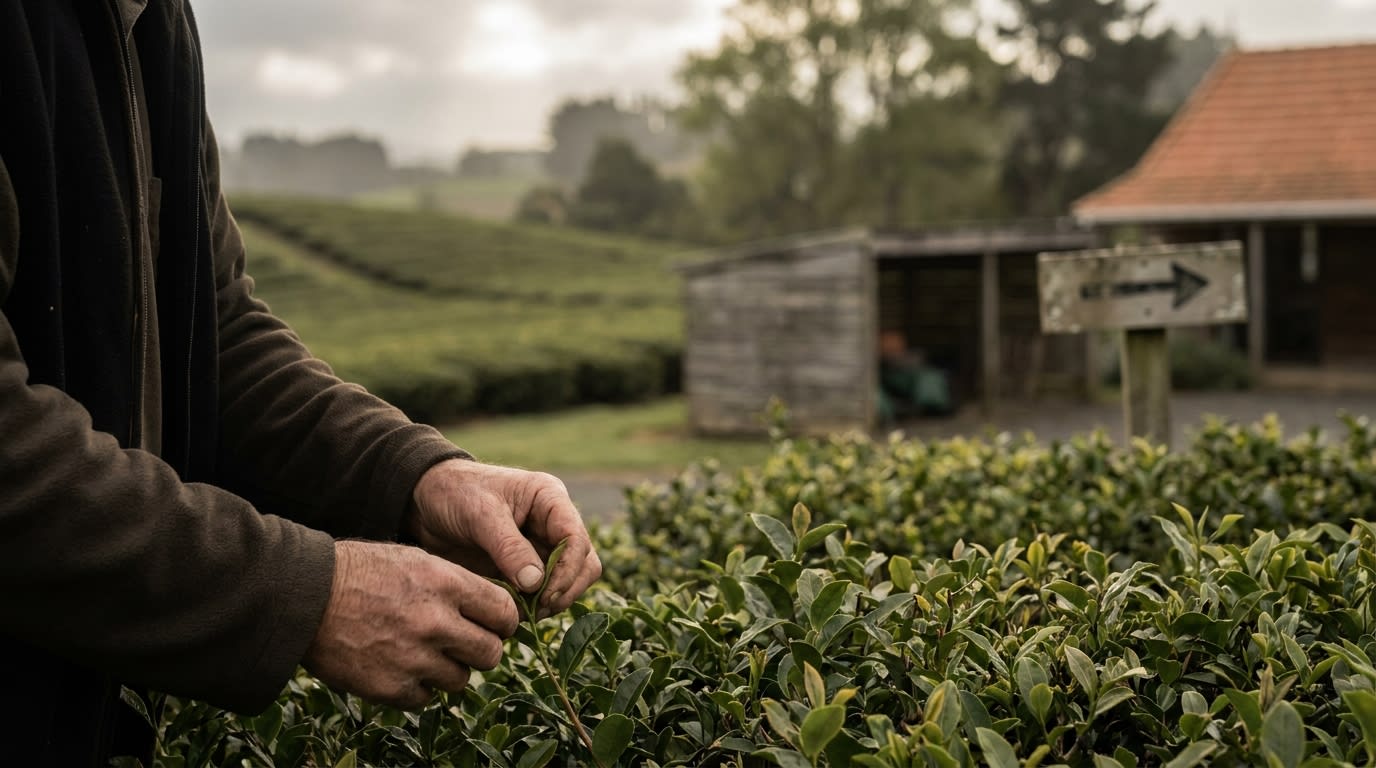
The reinvention. A young Scottish planter named James Taylor, who had been experimenting with tea on a 19-acre plot at Loolecondera Estate, became the model the colony rebuilt around. By 1900, Ceylon had around 380,000 acres under tea cultivation. By 1972, when the country renamed itself Sri Lanka, it was the world's third-largest tea producer.
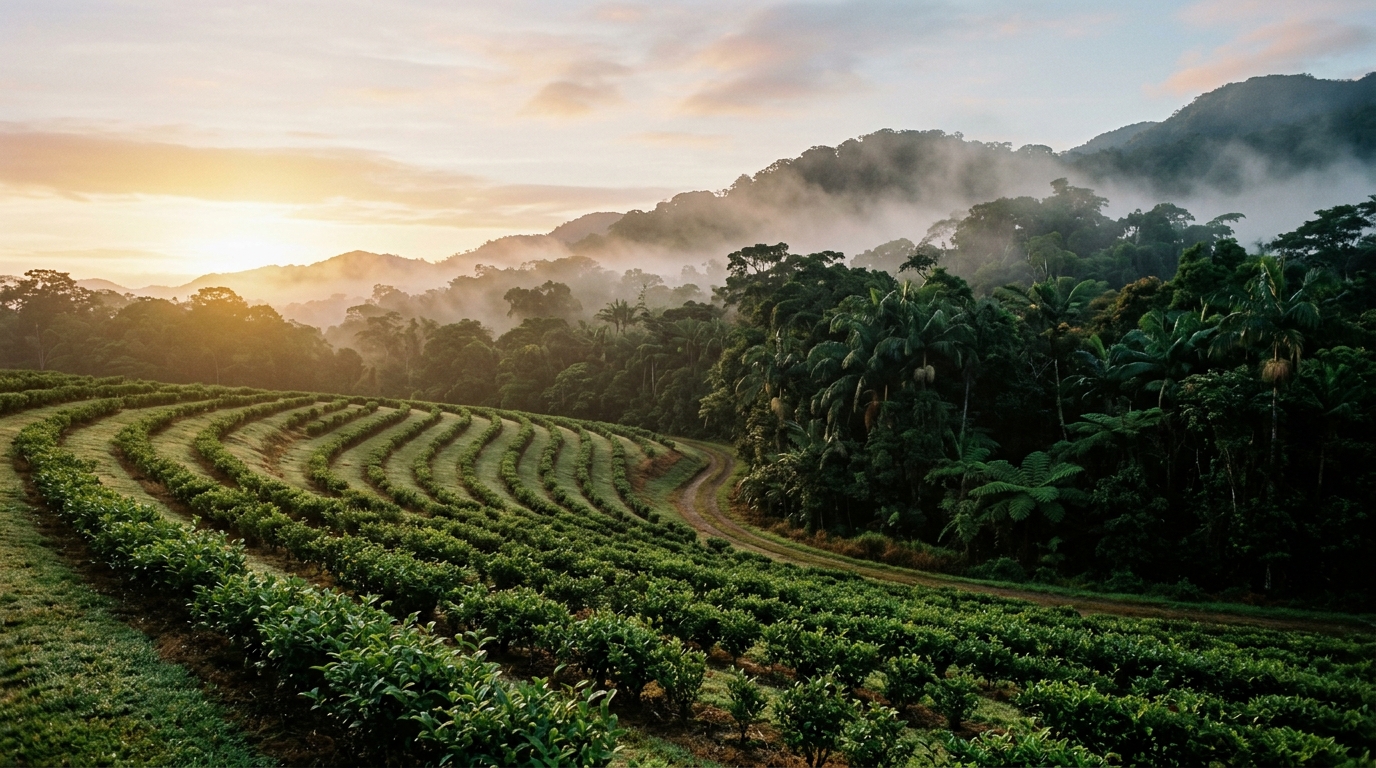
Seven regions, seven characters. Ceylon tea is unusually diverse for a single small island. The Sri Lanka Tea Board recognises seven growing regions, each with its own climate and broad elevation band, which produce noticeably different cups. (Elevations below are indicative ranges; individual gardens vary.)
• Uva (1,200–1,800m, eastern highlands) — bright, citric, with the famous 'wintergreen' note that appears in the dry July-September harvest.
• Dimbula (1,200–1,500m, central) — clean, brisk, the 'classic' Ceylon flavour you'd find in a typical English breakfast blend.
• Nuwara Eliya (over 1,800m, central highlands) — the lightest, most delicate Ceylon. Pale liquor, almost like a Darjeeling.
• Kandy (roughly 600–1,200m, mid-elevation) — fuller-bodied, malty, slightly fruity.
• Uda Pussellawa (roughly 950–1,600m, eastern slopes between Kandy and Uva) — medium-bodied with a dark, tangy liquor; the drier months bring a rosy, slightly pungent character that sits between Kandy's roundness and Uva's brightness.
• Ruhuna (sea level – 600m, southern lowlands) — strong, dark, full-bodied. A common base for many CTC blends.
• Sabaragamuwa (sea level – 800m) — similar to Ruhuna but slightly more aromatic.
How to brew. Ceylon black tea is the most forgiving of all the major black-tea families. Boiling water, three to four minutes, optional milk and sugar — and you have a clean, bright cup. It's why so many household-brand 'breakfast' teas are blended on a Ceylon base.
A note on certification. The Ceylon Tea logo — a lion holding a sword — is owned by the Sri Lanka Tea Board and used only on tea grown and manufactured in Sri Lanka and packed there as 100% Pure Ceylon Tea. If your packet has the lion, the contents are 100% pure Ceylon tea.
Follow The Tea List