Why the British Put Milk in Tea (and Why the Chinese Don't)
The fault-line that runs through global tea culture comes down to which teas each culture drinks—and to a few theories, some better supported than others, about porcelain and plantations.
Sameera
· 7 min read
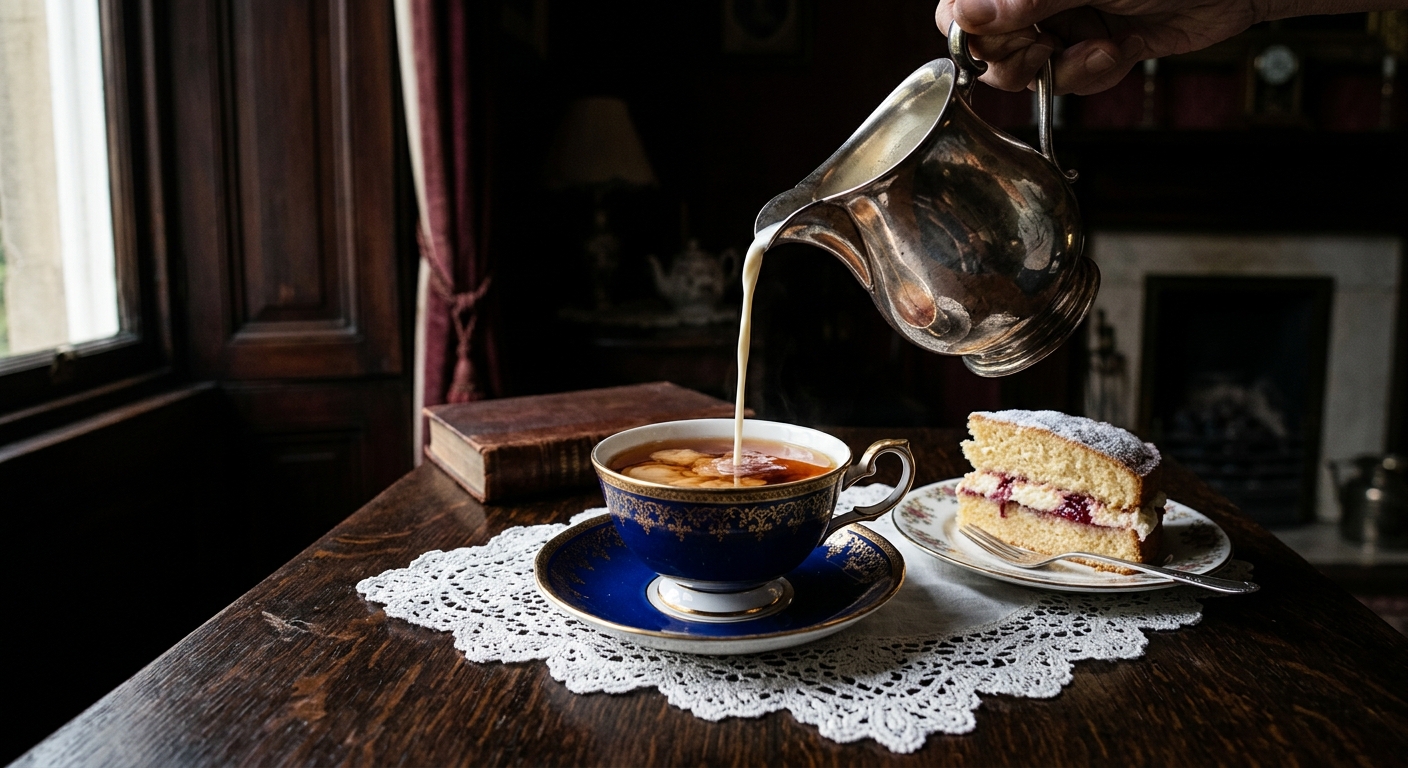
Walk into a tea house in Hangzhou and order a Longjing with milk and you'll get a polite but unmistakable look of horror. Walk into a London café and order an English Breakfast without milk and you'll get the same. The fault-line runs deep — and the history behind it is more interesting than 'British people just like dairy.'
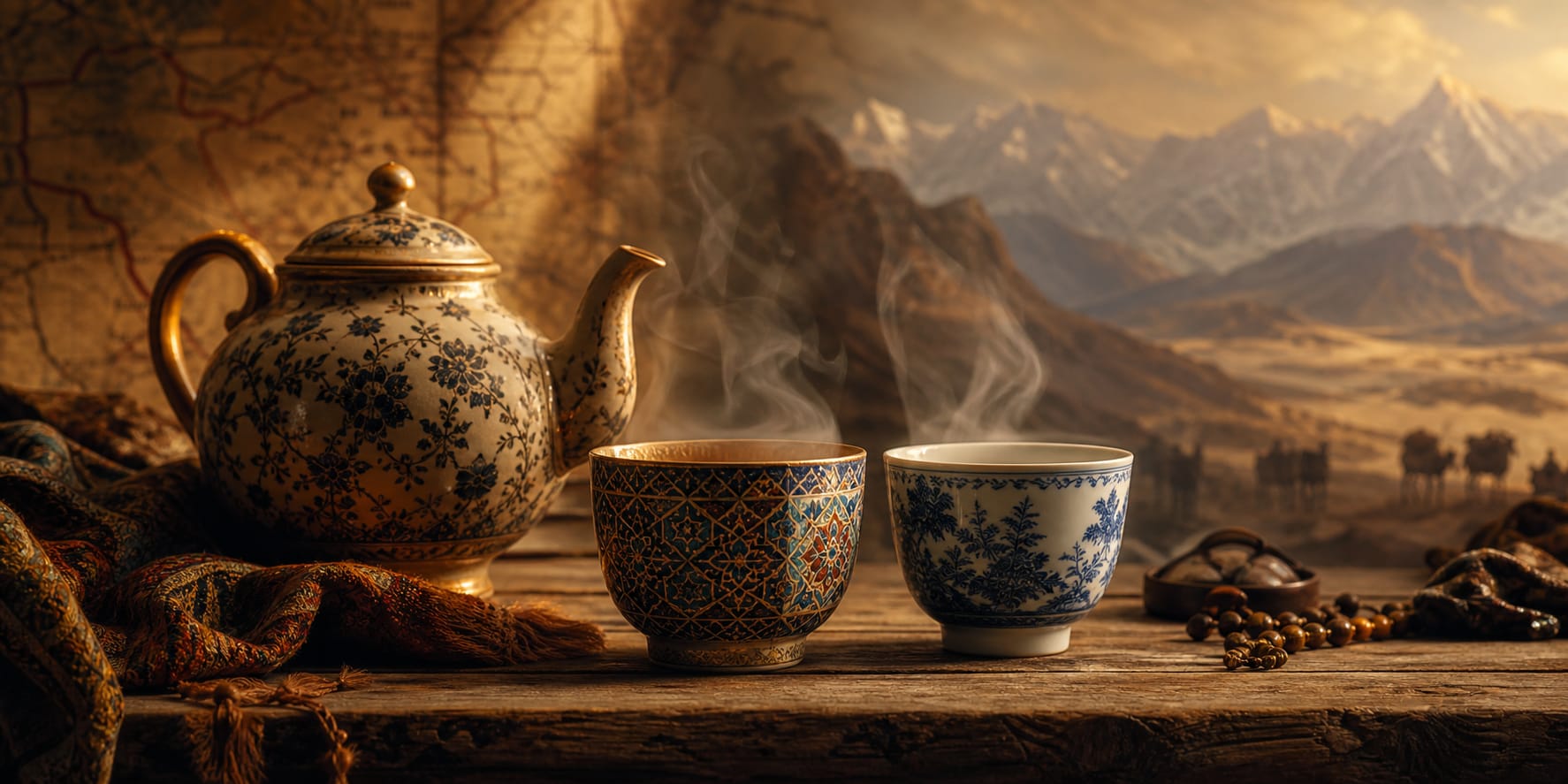
Theory one: protect the porcelain. The first European tea cups were often delicate early soft-paste wares — and they could crack when boiling-hot tea was poured into them. Adding cold milk first cooled the liquid before it touched the cup. By the time English porcelain (Wedgwood, Spode) caught up in quality in the late 1700s, the milk-first habit was already entrenched. Plausible, but probably overstated.
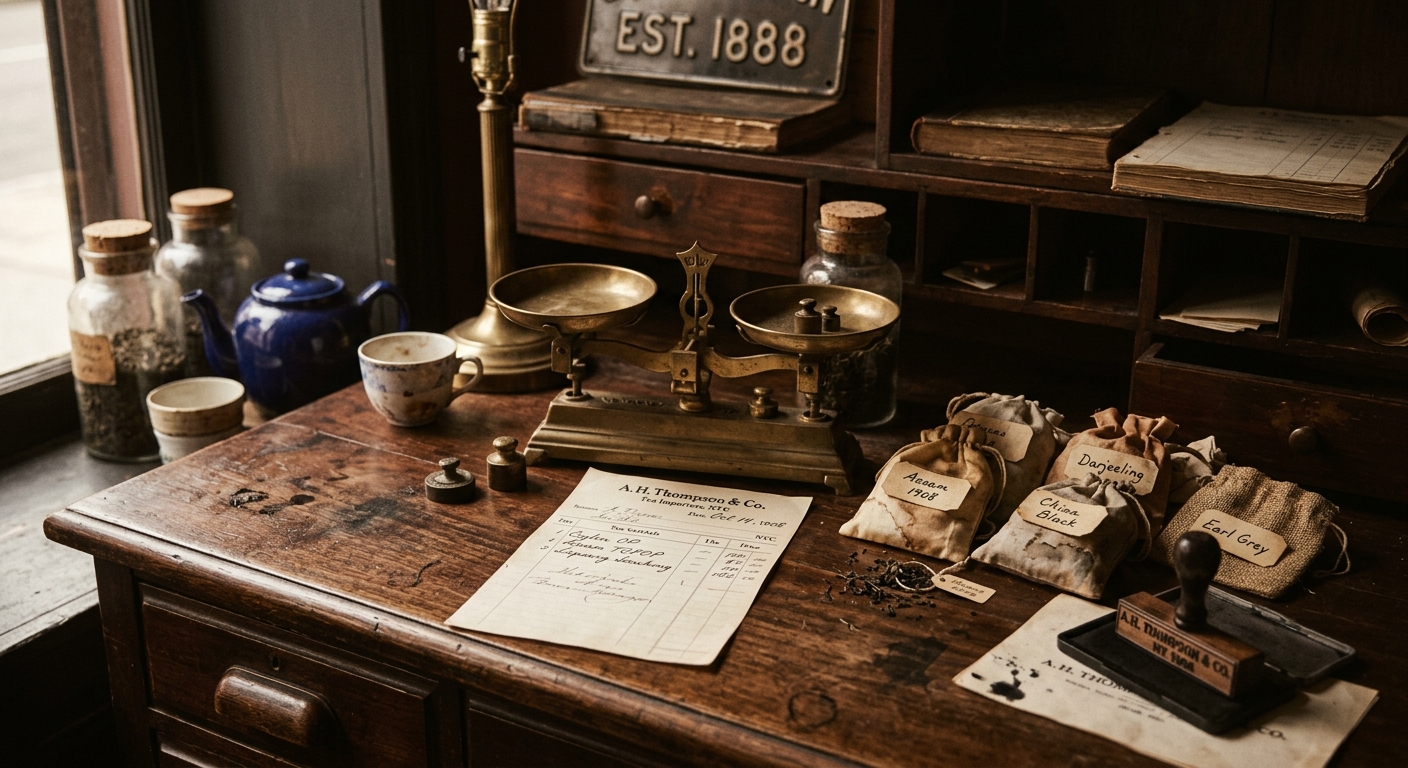
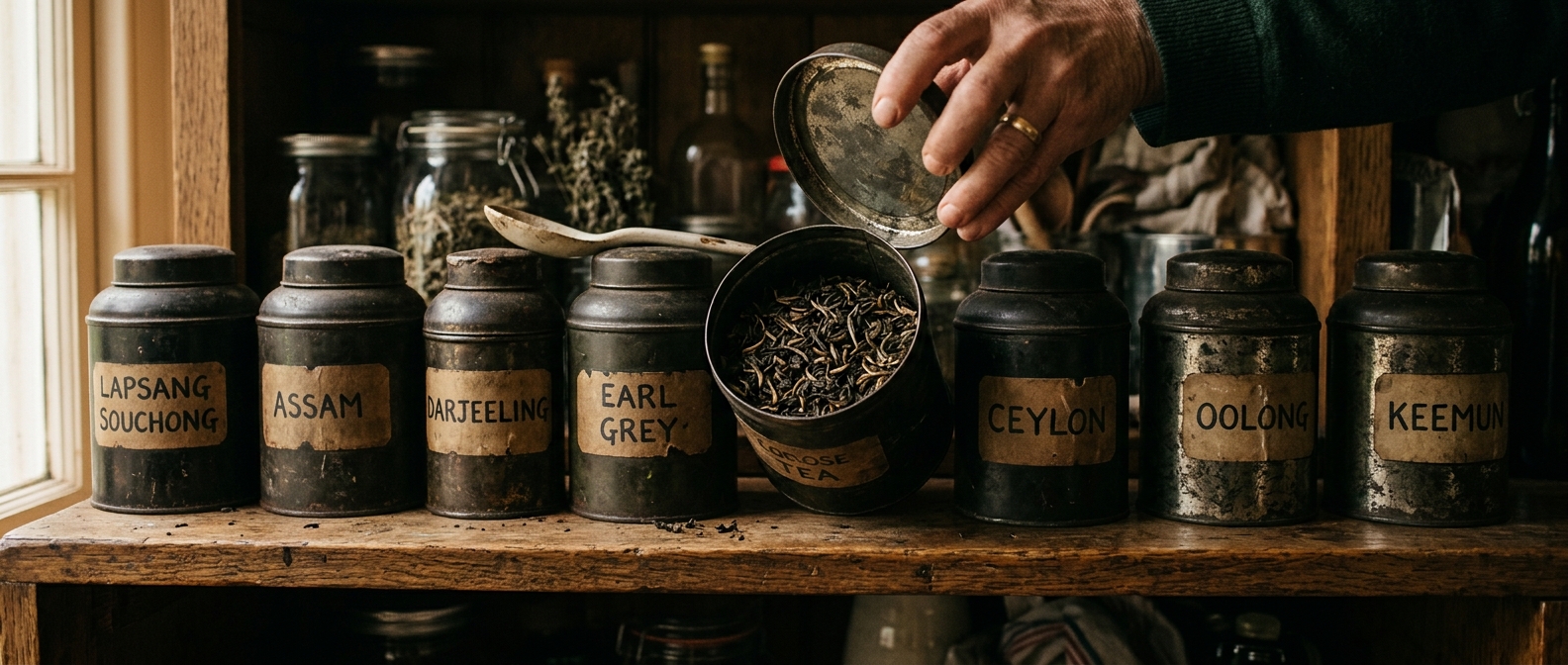
Theory two: the strong black tea explanation. A second, widely repeated explanation is about the tea itself—but the timeline needs care. Milk in tea is documented in Britain and France in the seventeenth century, long before any Indian plantation existed, and China itself has produced black (fully oxidised) teas for export since at least the 1600s; Bohea from Fujian was the staple of the early British trade. So Indian tea did not start the habit. What the plantation era did was entrench it: the teas Britain began producing in colonial India and Ceylon — Assam from the 1830s, Ceylon from the late 1860s — were full-oxidation, high-tannin, malty and astringent, and milk suited them perfectly. Meanwhile the teas most prized within China — green, white, oolong and lightly oxidised styles — are aroma-led, and milk obliterates them. The proteins in milk bind to tea polyphenols that cause astringency; the fat softens perceived bitterness; the lactose adds sweetness without strong competing flavours.
By 1900, the British were drinking almost exclusively milk-tolerant Indian and Ceylonese black teas. Adding milk wasn't just a habit — it became a common way to make these teas more palatable for many drinkers.
Theory three: industrial-grade tea needed something. As the British market shifted to mass-produced CTC fannings in the mid-20th century, the tea quality dropped further. Milk and sugar became common additions to make many teabags taste smoother and sweeter.
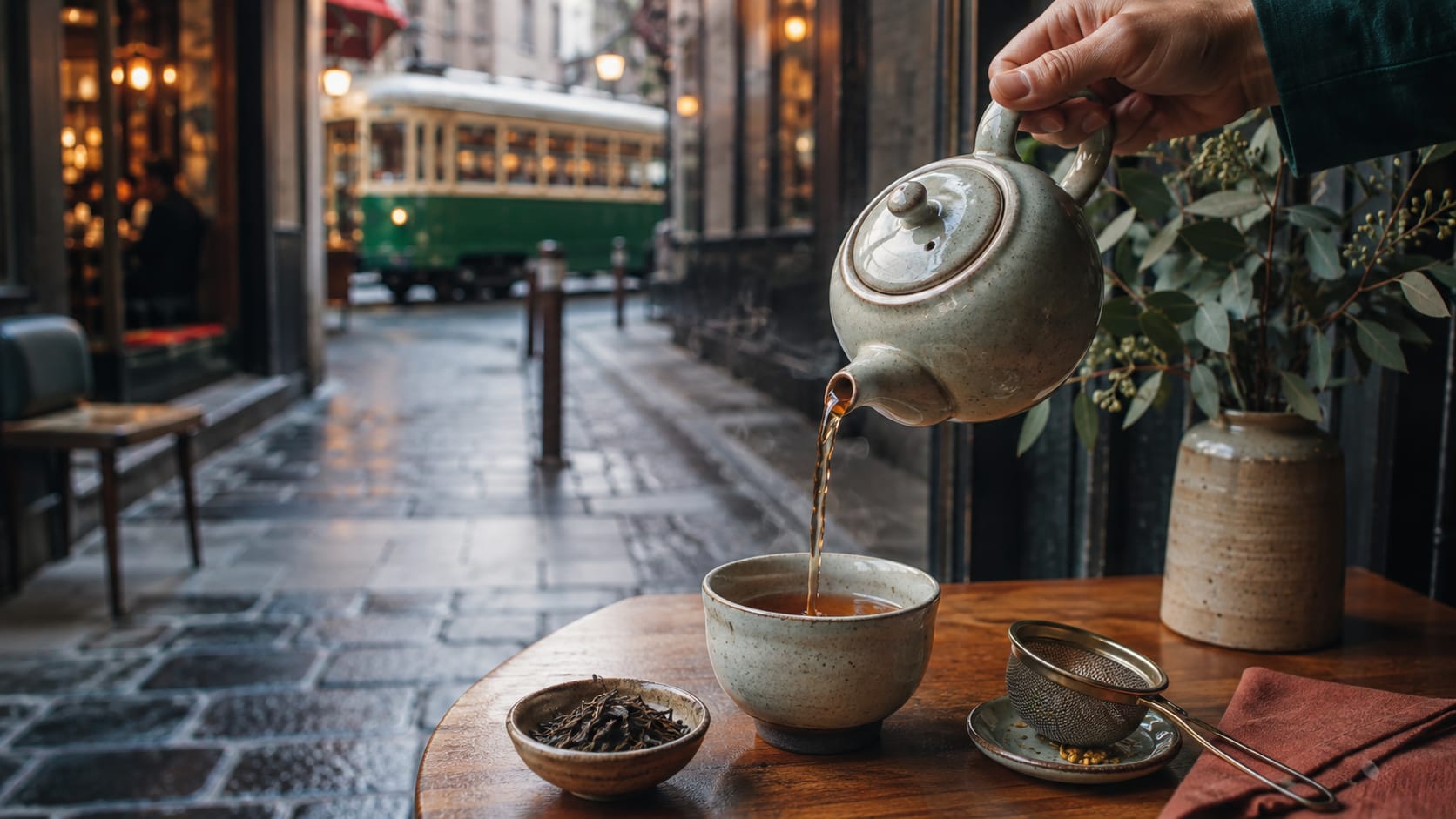
The Chinese 'why-not.' Chinese green, oolong, and pu-erh are generally flavour-and-aroma-led teas, but astringency can vary widely by style and age. They are designed to be tasted clean. Adding milk is, from the Chinese perspective, the equivalent of pouring cream into a fine Burgundy.
The 'milk-first' question. A separate British argument — should milk go in the cup before or after the tea? The 'milk-in-first' (MIF) camp argues for the original 17th-century porcelain-protection logic. The 'milk-in-after' (MIA) camp argues that adding milk after lets you control the strength visually. George Orwell famously came down on the MIA side in his 1946 essay A Nice Cup of Tea. Neither is wrong; both are deeply held.
The honest truth. Both habits fit their respective teas, and neither culture is monolithic: dairy in tea is traditional among Tibetans, Mongolians and in parts of China's north and west, while plenty of Britons drink their Darjeeling black. Add milk to a CTC Assam, drink a Longjing straight, and enjoy both.
Follow The Tea List