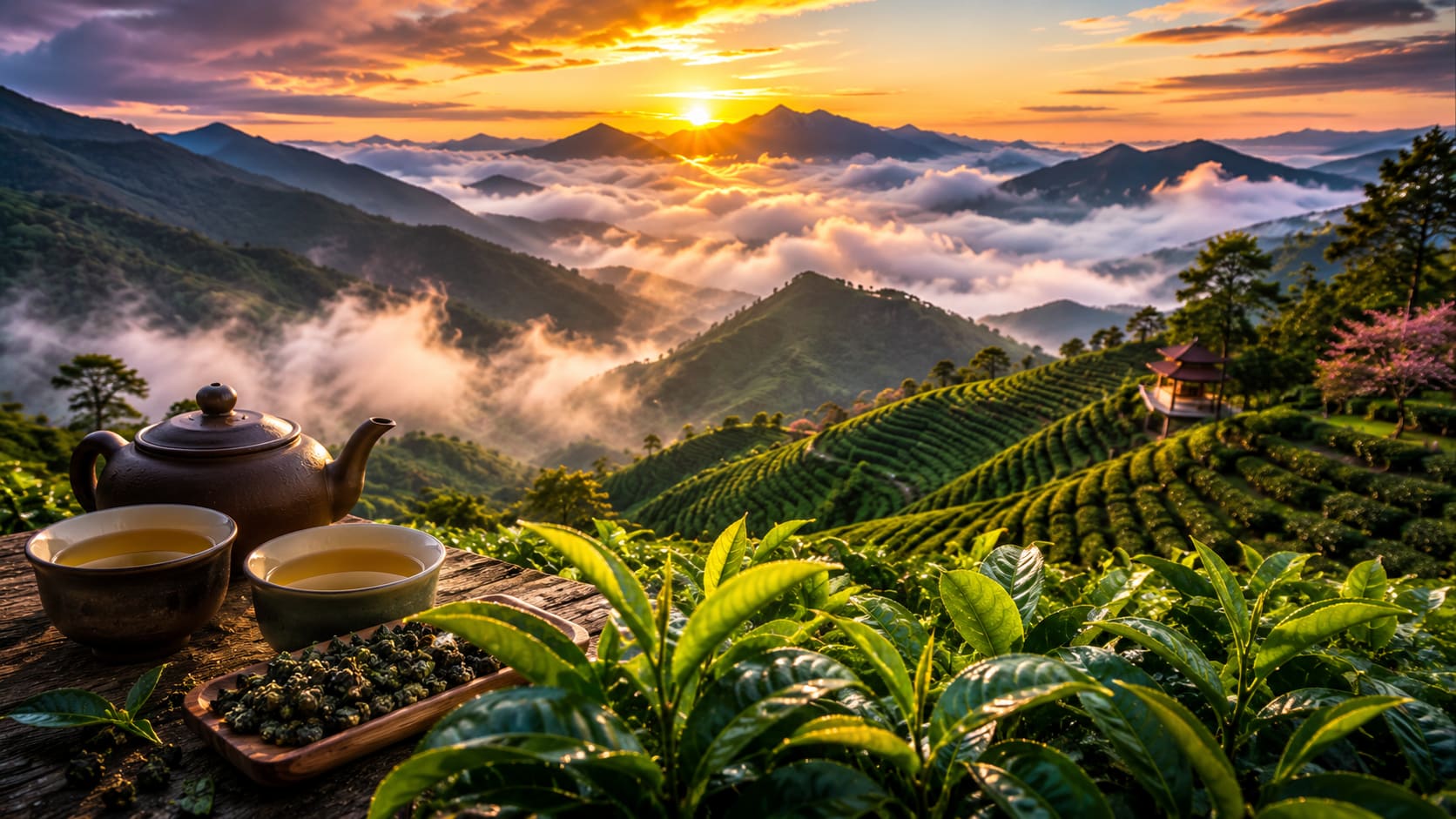
Darjeeling, India: The 'Champagne of Teas' Explained
We travel to the first-flush gardens of West Bengal to meet the hands behind the world's most delicate black tea.
Sameera
· 9 min read
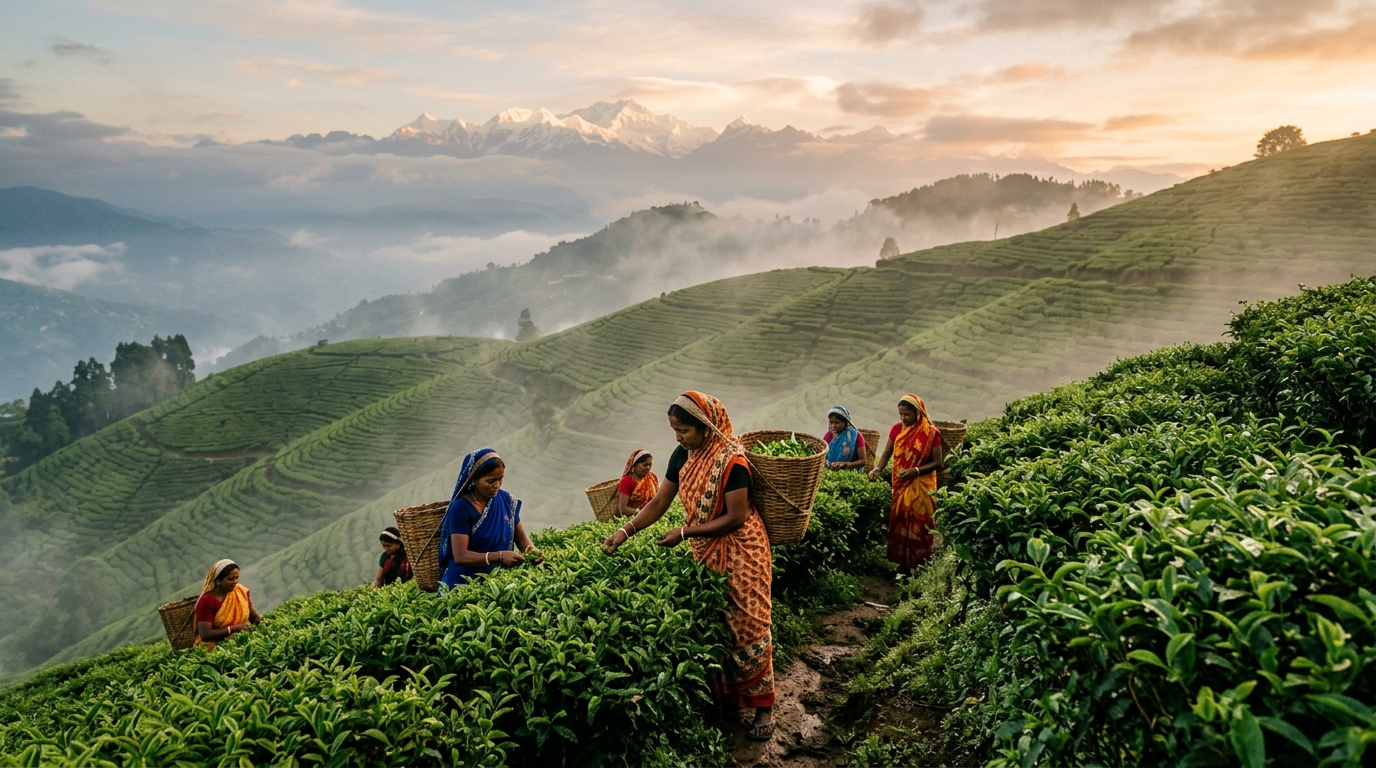
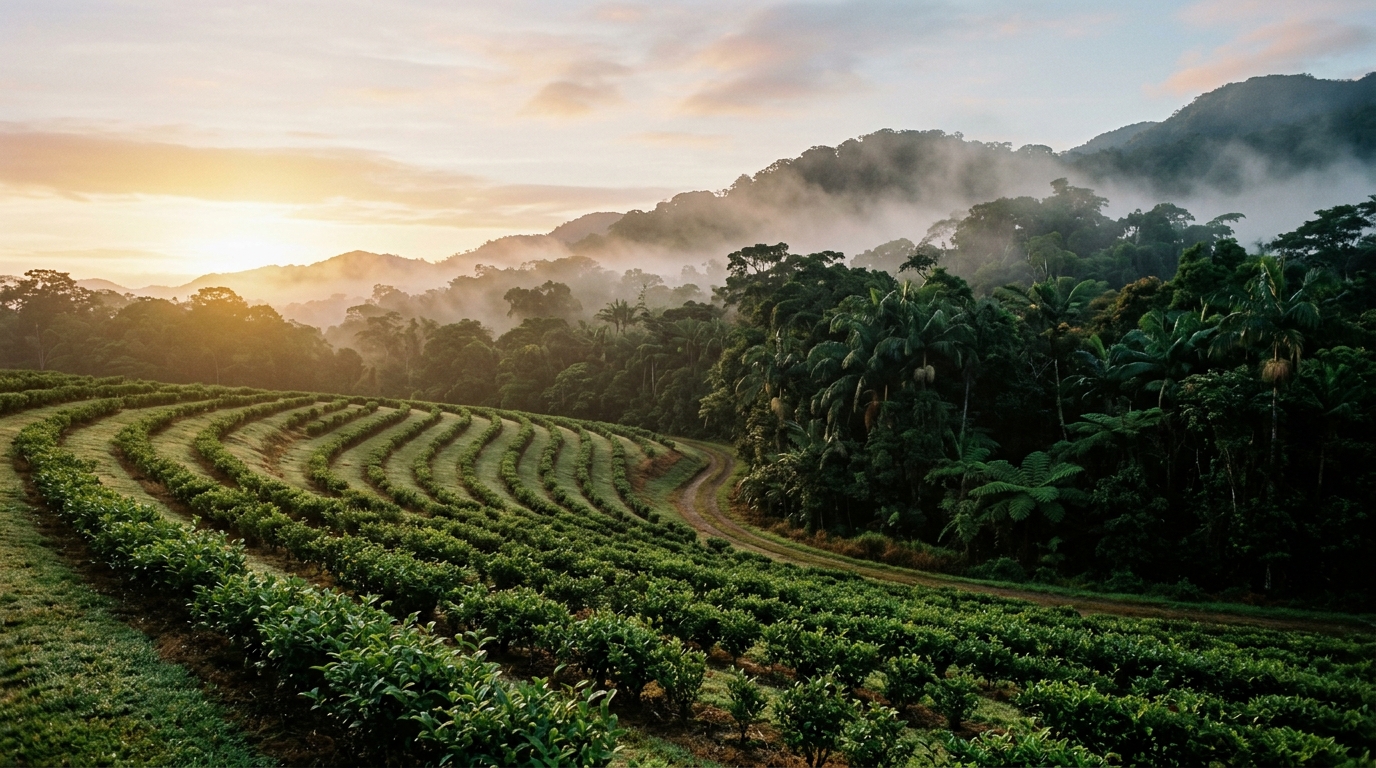
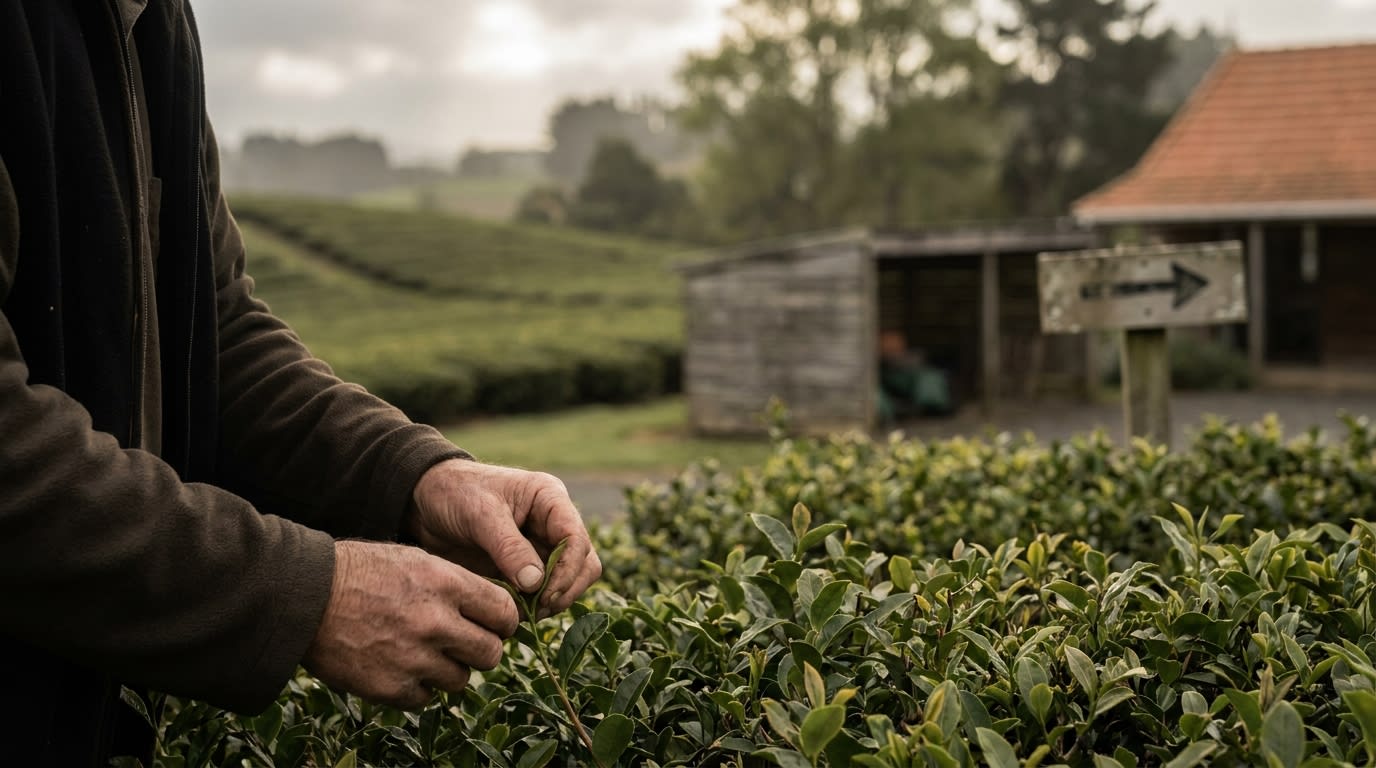
The jeep climbs out of Siliguri before sunrise. By the time we reach Makaibari — one of the oldest tea estates in the world, founded in 1859 — the mist is peeling off the ridges in slow ribbons and the pluckers are already at work.
Why Darjeeling is unique. Darjeeling sits at 2,000 metres in the eastern Himalayas, in a sliver of land between Nepal, Bhutan, and the Bengal plains. The tea bushes here are mostly the Chinese-variety sinensis (not the broad-leaved assamica of the lowlands), planted by the British in the 1850s. The combination of altitude, cool nights, and slow growth produces a tea unlike any other in the world.
The 'Champagne' name. Like Champagne, Darjeeling is a protected geographical indication. Only tea grown and manufactured within the GI area by the 87 registered Darjeeling gardens can legally use the name. There are about 7–8 million kilograms of genuine Darjeeling produced per year. The amount sold globally as 'Darjeeling' is roughly 40 million kilograms — meaning more than half of what's labelled as such, isn't.
The harvesting calendar. First flush, mid-March to April: small, silvery leaves; pale liquor; grassy and floral. Second flush, May–June: the famous 'muscatel' Darjeeling — fuller-bodied, with the unmistakable note of grape skin. Autumn flush, October–November: mellower, richer, more conventionally black-tea-like.
The muscatel mystery. That distinctive grape-and-honey note? It comes, partly, from a tiny insect called the green leafhopper. The bug nibbles the leaves; the plant defends itself by releasing aromatic compounds; the maker captures those compounds in the cup. Damage from a pest, transformed into the most prized flavour in tea.
How to brew it. A teaspoon of leaf per 200ml. Water at about 90°C — not boiling, which can mute delicate aromatics. Steep three to four minutes. Drink without milk or sugar; this is the one black tea where additions are a near-crime.
Follow The Tea List