How to Taste Tea Like a Sommelier: A Tasting Notes Guide
A practical 4-step framework for actually tasting what's in your cup — our own working method, built on the way professional cuppers approach a tea.
Sameera
· 7 min read
Most people don't taste tea. They drink it. The difference is roughly the same as the difference between hearing music and listening to it — and the framework for crossing the gap is straightforward enough that you can pick it up in an afternoon.
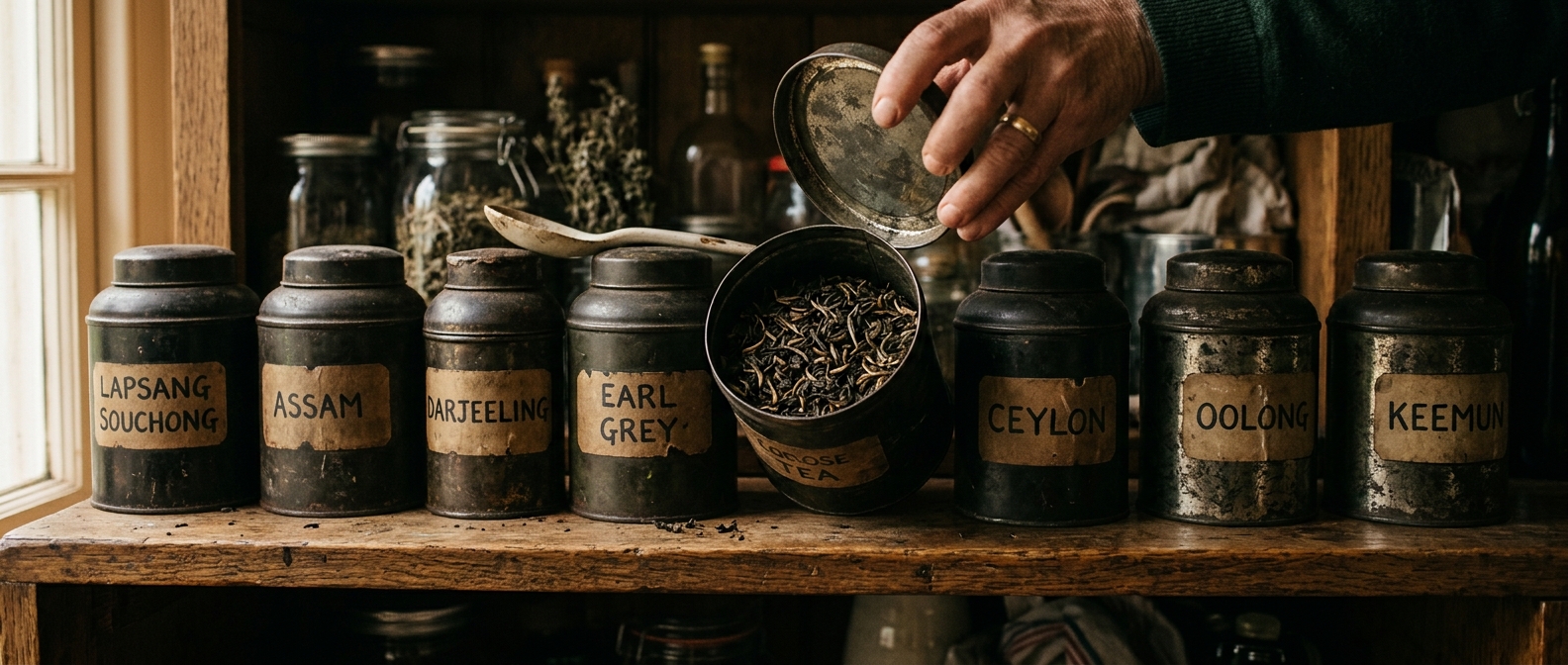
Step 1: The dry leaf. Before any water touches the tea, smell it. A green tea should smell vegetal and clean; a roasted oolong, of toast and stone fruit; a black tea, of malt or dried flowers. If the dry leaf smells musty, dusty, or stale, no amount of careful brewing will save it. Trust the dry leaf.
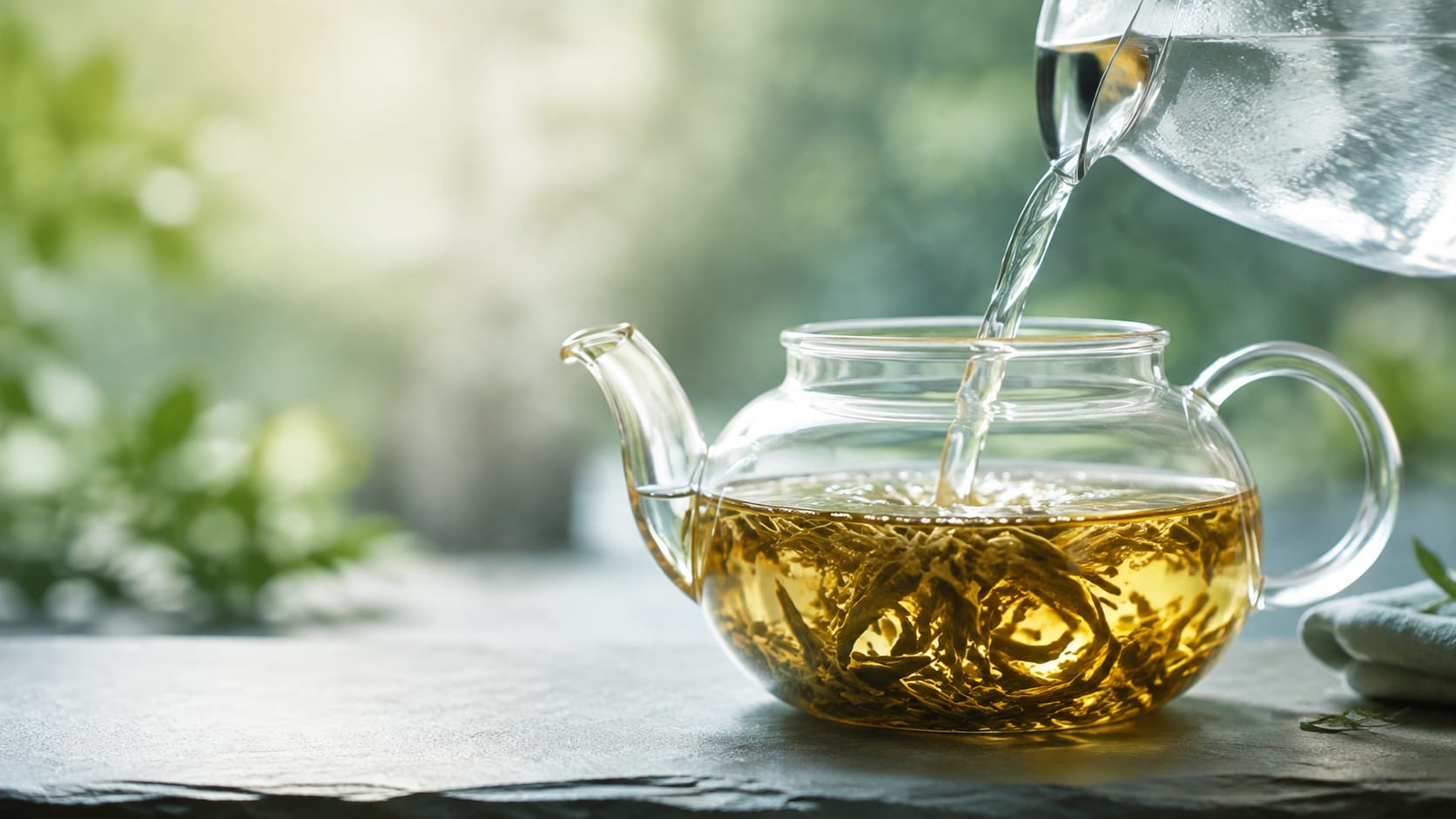
Step 2: The wet leaf. After the first short steep, lift the lid and smell the wet leaf in the pot. This is when most of a tea's volatile aromatics actually appear. A good Darjeeling first flush will smell of cold flowers; a good gyokuro of warm seaweed and corn silk; a Wuyi rock oolong of mineral and dark caramel. The wet leaf is the most honest indicator of quality.
Step 3: The first sip — texture. Most beginners taste with their tongue. Trained tasters taste with their whole mouth. Take a small sip and let it sit on the tongue for a beat before swallowing. Pay attention to the texture: is it thin and watery, or does it have a creamy weight? Does it coat the tongue or wash off it? Texture (called body or mouthfeel) is one of the clearest markers of a well-made tea.
Step 4: The finish. Swallow, and pay attention to what's left behind. Lesser teas often have a short, sometimes slightly bitter finish that disappears in seconds. Many great teas leave a sweet, lingering aftertaste — huigan, in Chinese — that you can still taste minutes later. Finish length is a sensory attribute worth noting, and it's one that experienced tasters prize, but it is not an objective quality score: a clean short finish can suit some styles, and a long one doesn't redeem a tea you don't enjoy.
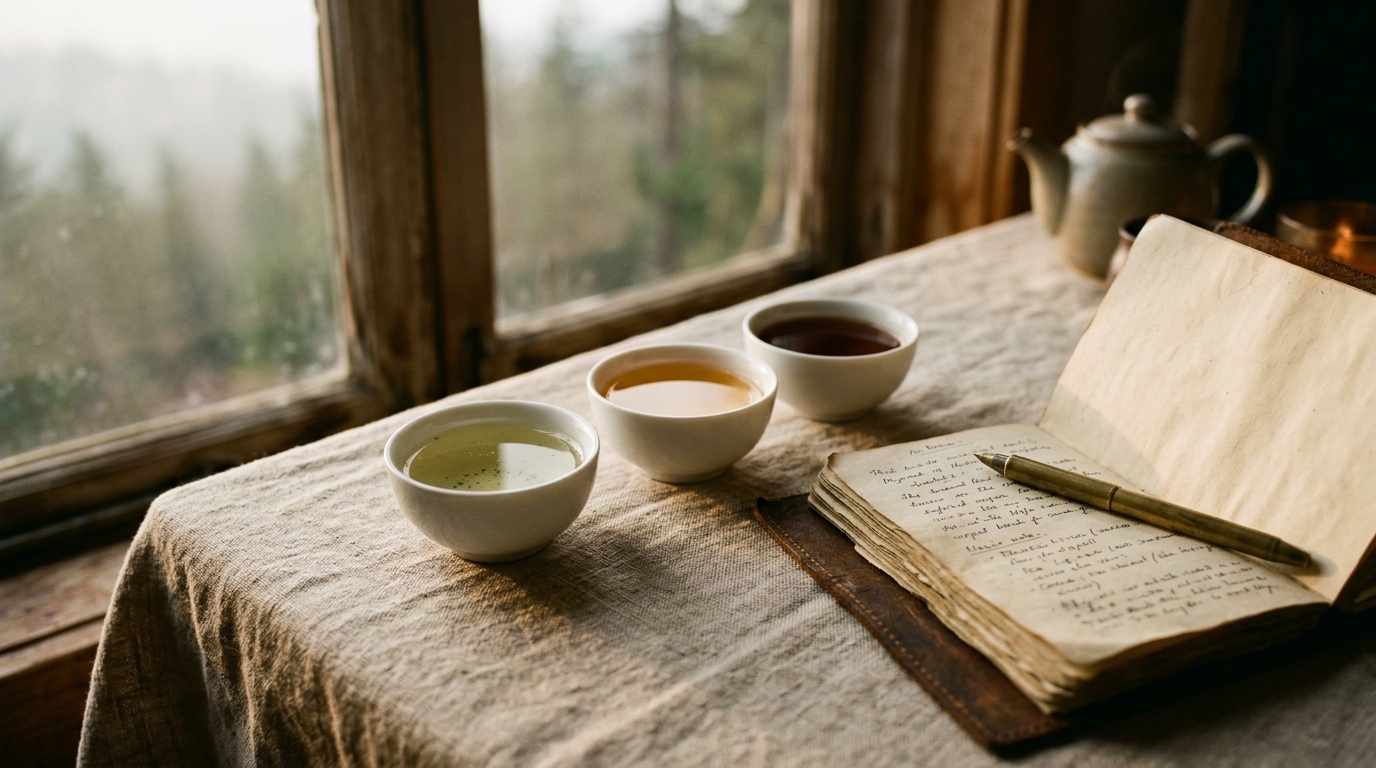
Keep notes. A small notebook for tasting will accelerate your learning more than any amount of reading. For each tea, jot: dry-leaf smell, wet-leaf smell, body, dominant flavour notes, finish length, brewing parameters. Within twenty teas you will start recognising patterns. Within a hundred, you will be a serious taster.
Do this with three teas in a row, side by side. You'll know more about tea after one afternoon of structured tasting than most people learn in a lifetime of casual drinking.
Follow The Tea List