Kenya & East Africa: The Forgotten Giant of Global Tea
Kenya is the world's largest exporter of black tea — and almost no one outside the trade can name a single Kenyan estate. A look at tea's most under-recognised power.
Sameera
· 7 min read
Here is a tea fact that surprises almost everyone: Kenya is the largest exporter of black tea in the world. It produces more tea than Sri Lanka. It exports more tea than India. And yet, walk into any Western specialty tea shop and you will almost never see a single Kenyan estate represented.
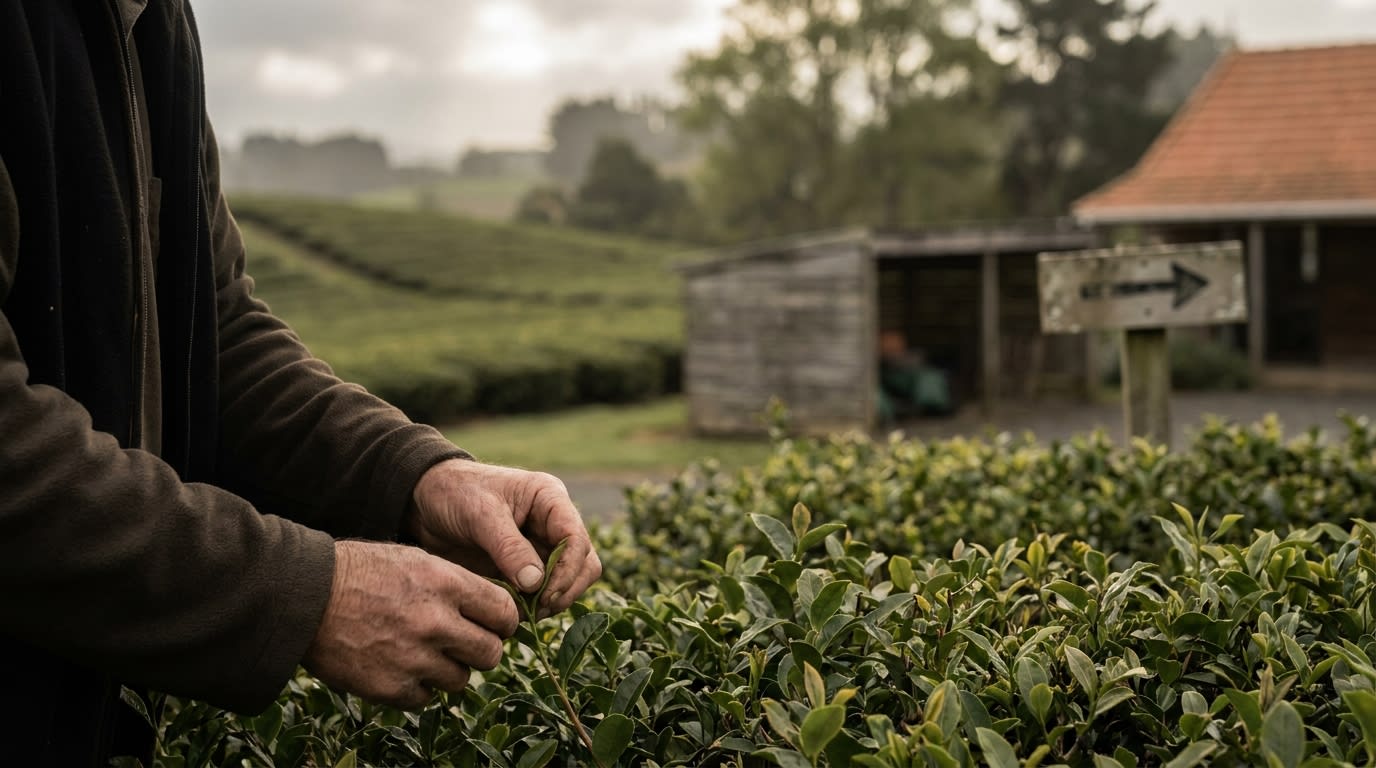
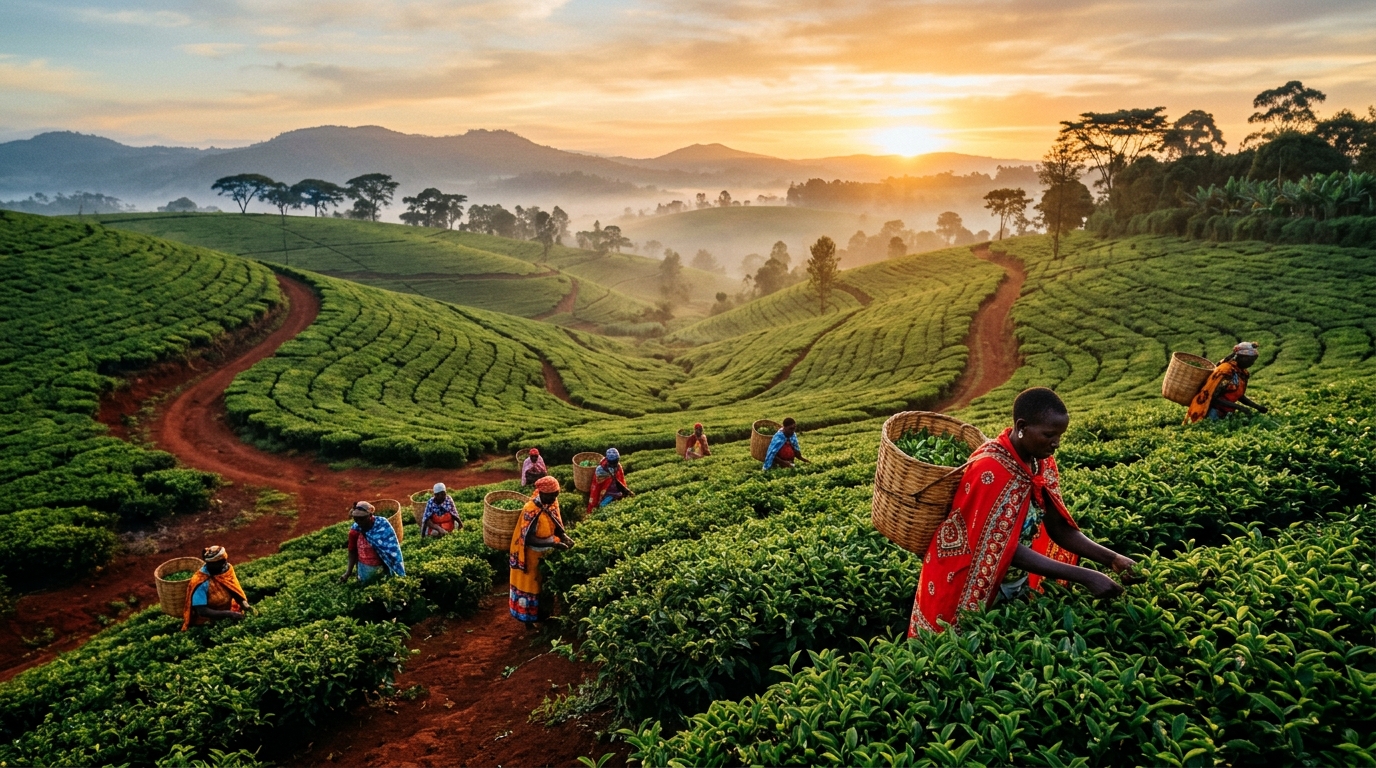
The numbers. Kenya produced 598.47 million kilograms of made tea in 2024, according to the Tea Board of Kenya's full-year figures — a record year rather than a typical one, so treat it as a dated observation, not an annual constant. Almost all of it is exported. The industry employs over 600,000 small-holder farmers and supports roughly five million people. Tea is among the country's top export earners by value, often the largest single commodity; it typically exceeds cut flowers or coffee individually but not always both combined.
Why it's invisible. Kenyan tea is overwhelmingly produced as CTC (Crush, Tear, Curl) — the granular, fast-brewing leaf format used in mass-market tea bags. It goes into the blends sold by Lipton, PG Tips, Tetley, and a hundred other supermarket brands. The Kenyan logo doesn't appear because the leaf is anonymised inside the blend. Many British 'breakfast tea' blends include a significant proportion of Kenyan leaf; the consumer never knows.
The character. Kenyan CTC is distinctive: bright orange-red liquor, brisk, often relatively high in caffeine when brewed, with a clean, slightly fruity character. It stands up to milk and sugar, brews fast (90 seconds is enough), and produces a consistent cup at a low price point. For the supermarket-blend market, this is the perfect raw material.
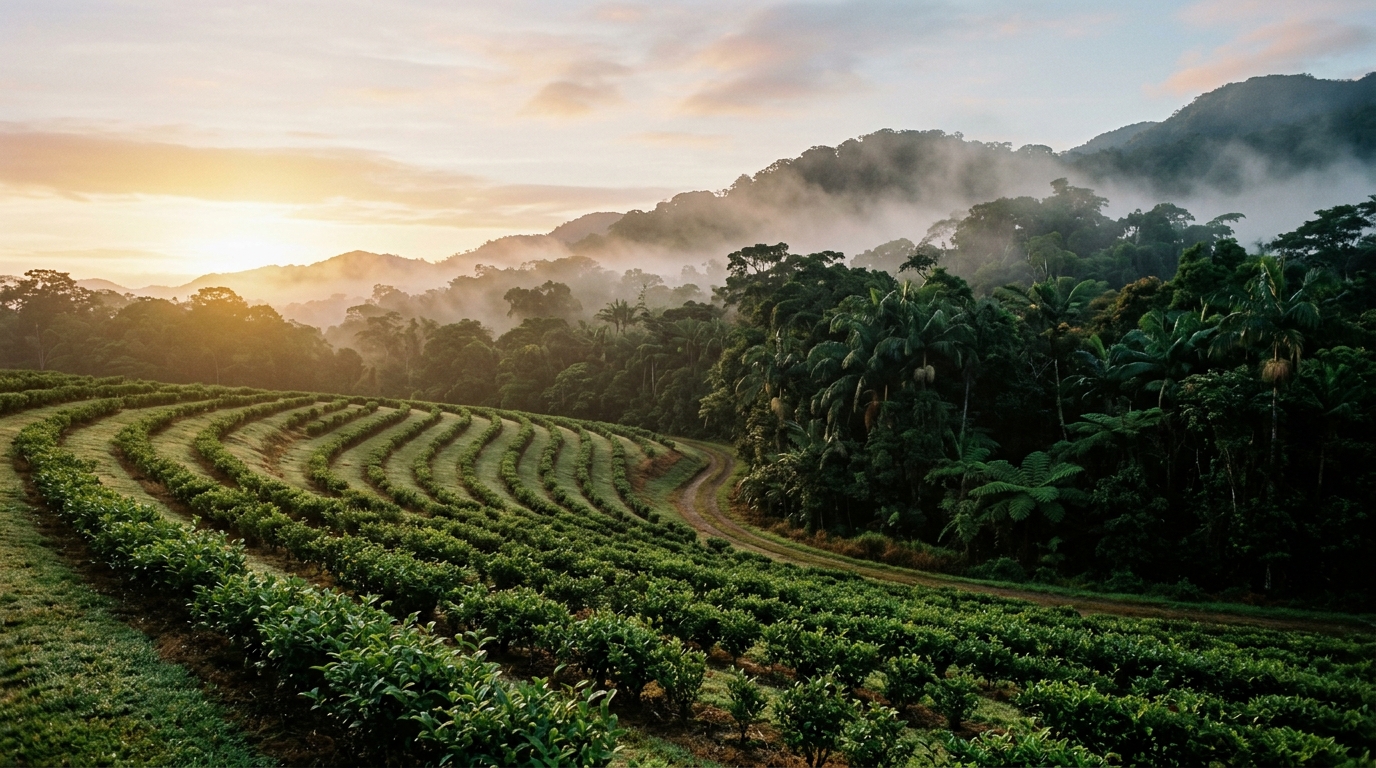
The specialty story. A small but growing subset of Kenyan estates — particularly in the high-elevation regions of Kericho, Nandi Hills, and Mount Kenya — now produces orthodox-style (whole-leaf) black tea, white tea, and even some experimental purple varietals (TRFK 306/1, a Kenyan cultivar rich in anthocyanins that can show a purplish hue, especially with added lemon). Producers like Gatura, Tumoi, and Kangaita are starting to appear on Western specialty shop shelves.
Other East African regions. Malawi, Rwanda, and Burundi also have substantial tea industries — Malawi was Africa's first commercial tea producer, with estates active by the 1890s—about 30 years before Kenya's in the 1920s. Rwandan and Burundian estates increasingly produce specialty orthodox black teas with a clean, citric, almost-Ceylon character.
Kenyan tea is in your cupboard. You just don't know it. Worth knowing — and worth seeking out the orthodox specialty versions, which can stand alongside the world's best.
Follow The Tea List