Which Tea Is Best for Sleep? A Science-Backed Guide
Chamomile, valerian, lavender, lemon balm — which 'sleep teas' have evidence behind them, and which rest on tradition? A look at the research.
Sameera
· 7 min read
The 'tea for sleep' shelf at any wellness shop is enormous, expensive, and largely unproven. Most sleep teas work, if they work, through ritual and expectation — and the clinical evidence for the herbs themselves is thinner than the packaging suggests. Here's what the research actually says.
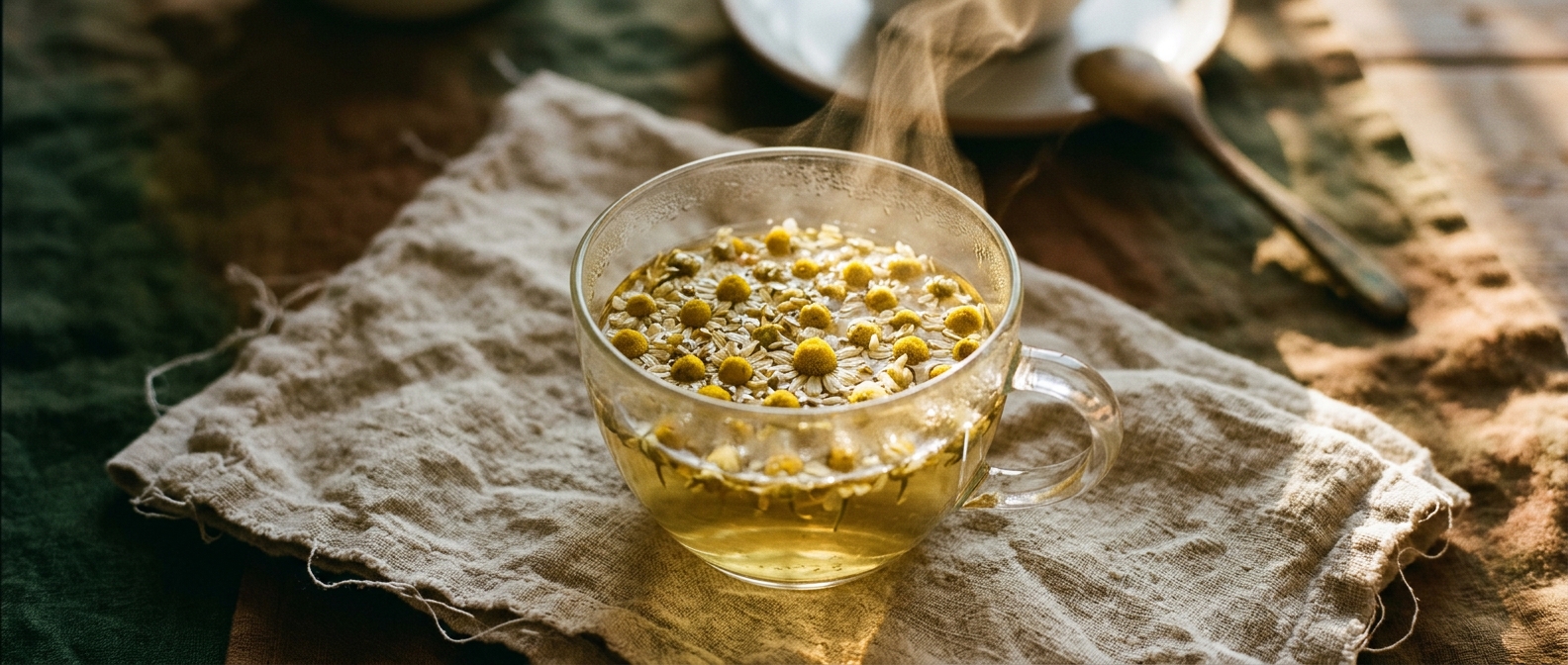
Chamomile — strong tradition, inconclusive evidence. The compound apigenin in chamomile binds to benzodiazepine receptor sites in laboratory studies, a proposed mechanism for a mild calming effect. The human trials are small and mixed: the best-known placebo-controlled trial of a standardised extract (Zick and colleagues, 2011, 34 adults with chronic insomnia, 28 days) found no significant benefit over placebo on sleep-diary measures, and the US NCCIH describes the evidence as inconclusive. Brew for flavour: a heaped tablespoon of whole flowers per cup, freshly boiled water, at least 5 minutes or as the packet directs. Prefer loose whole chamomile flowers; teabag blends can vary in quality and active content, and whole flowers often brew stronger.
Valerian root — older tradition, mixed evidence. Valerian constituents interact with GABA signalling in laboratory work and trials have shown small, inconsistent effects on subjective sleep quality, with mixed results on sleep latency across placebo-controlled trials. Tastes terrible — earthy, slightly soapy. Often combined with milder herbs (lemon balm, hops) to mask the flavour.
Lemon balm (Melissa officinalis) — preliminary evidence. A small, uncontrolled 2011 pilot study of a standardised lemon balm extract (Cases and colleagues, 20 volunteers, 15 days) reported reduced self-rated anxiety and insomnia symptoms; without a placebo group it can't tell us much, and it studied an extract, not tea. The active compound, rosmarinic acid, mildly inhibits an enzyme that breaks down GABA. Lemon balm tastes fresh, citric, vaguely minty — pleasant on its own.
Lavender — modest evidence. The aromatic compound linalool, when inhaled or ingested, produces measurable but small reductions in anxiety. Lavender tea is more useful as a calming aroma during preparation than as a clinical sleep aid.
Passion flower — promising but limited research. A few small studies suggest it may modestly improve subjective sleep quality; next-morning effects versus pharmaceutical sedatives are not well studied. Often combined with valerian and lemon balm in commercial 'sleepy' blends.
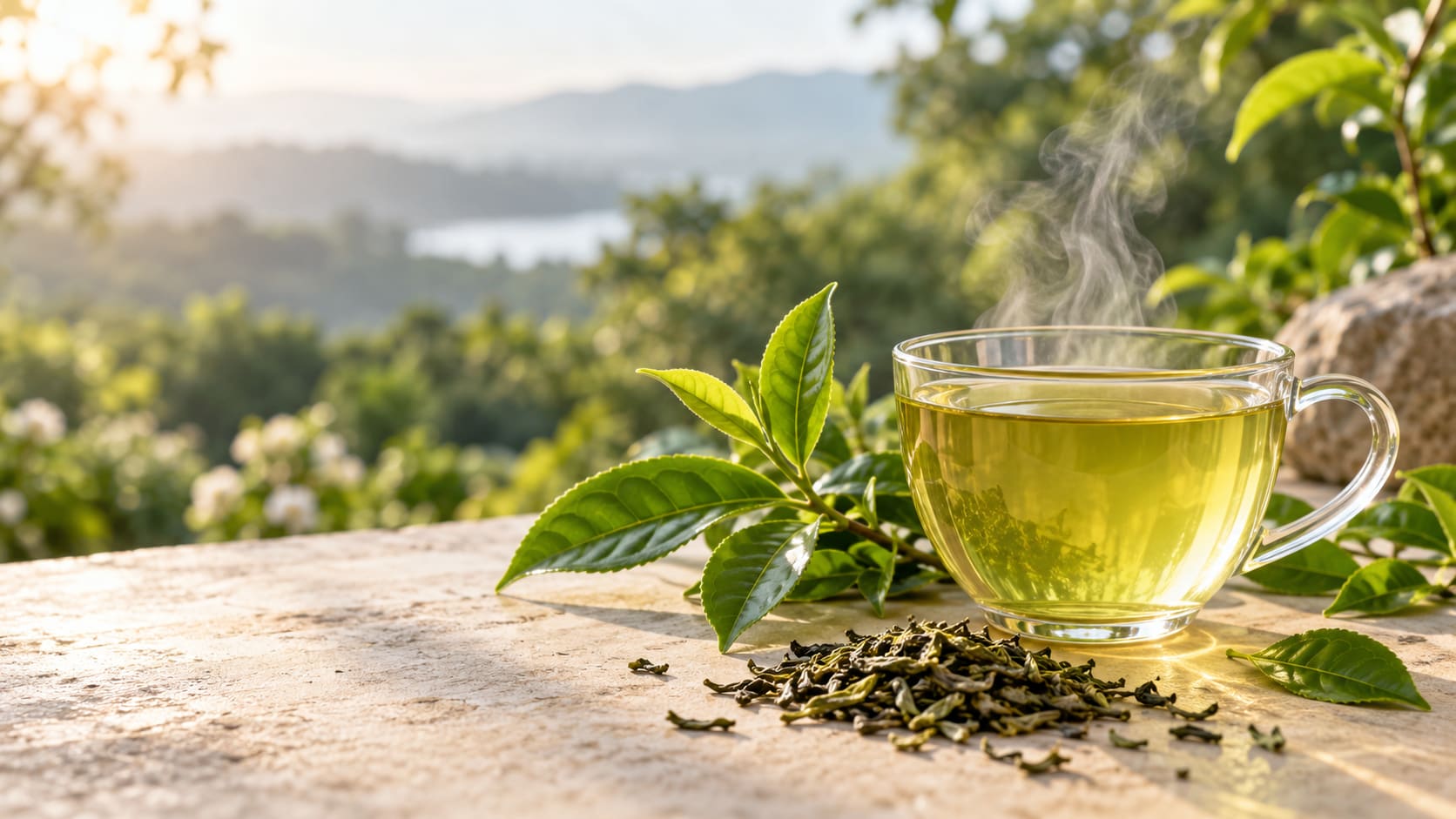
Things that won't help. Real green, white, or black tea — they all contain caffeine. There's no universal cut-off hour; if sleep is the goal, pull your last caffeinated cup earlier and see what changes for you (our sleep article covers the dose-and-timing evidence). Decaffeinated tea is low in caffeine and is usually fine for most people. 'Detox' teas marketed as sleep aids are mostly senna or other laxatives — do not drink them at night unless you want to be awake for a different reason.
The honest summary. A cup of properly brewed chamomile or lemon balm before bed may help some people feel calmer; the evidence that it improves sleep is weak. The bigger effect is probably the ritual itself — making a hot drink, sitting down, signalling to your body that the day is over. The cup is the cue, not the chemistry.
Follow The Tea List