Tea During Pregnancy: A Practical Australian Guide
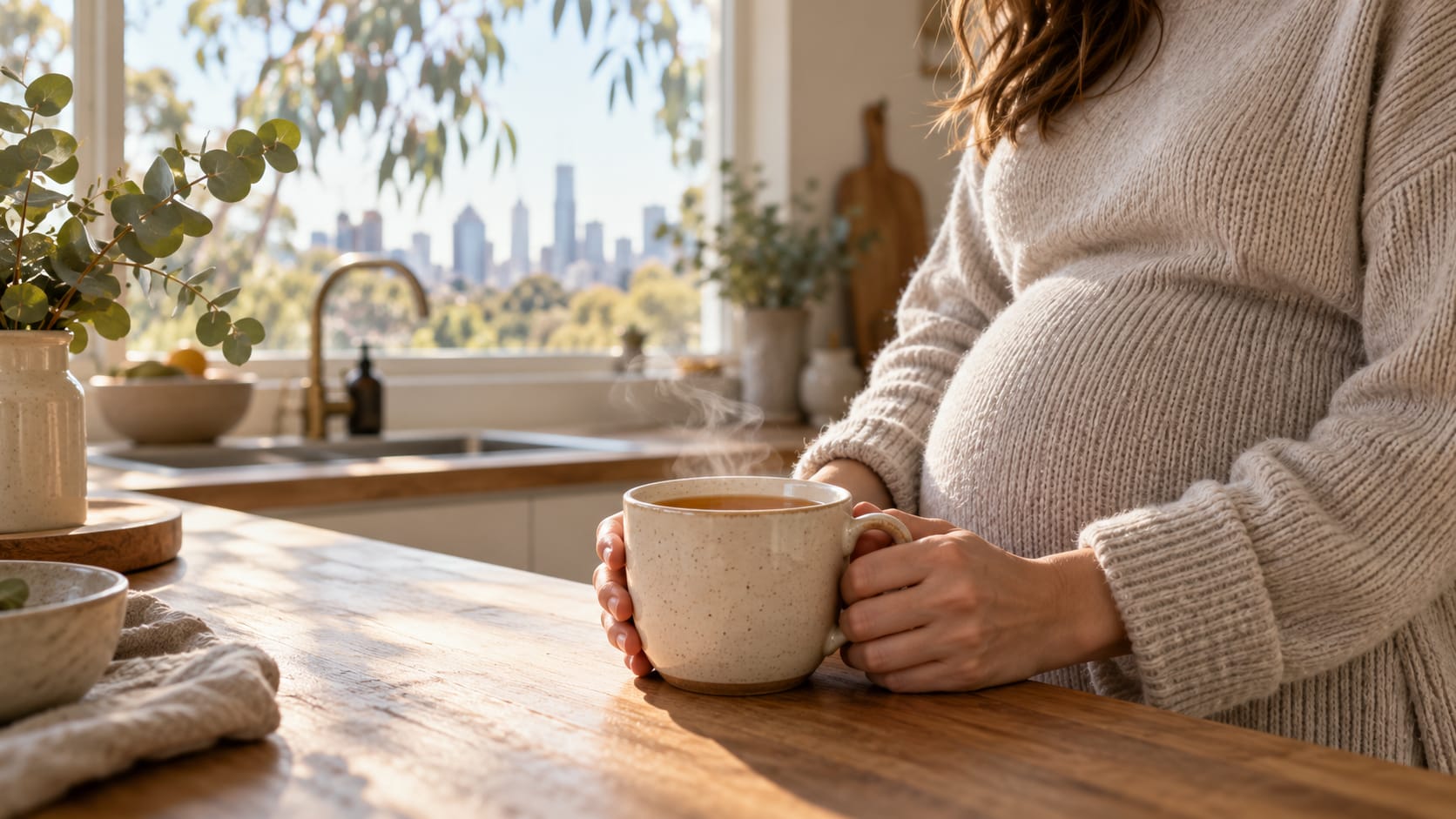
The kettle clicks off in a Melbourne kitchen on a winter morning. A woman in her second trimester reaches for her usual English Breakfast, then pauses. Can she still enjoy it? How much caffeine is too much? And what about the chamomile her mother-in-law swears by?
Sameera
· 9 min read
Pregnancy can turn a familiar ritual into a string of questions. The useful starting points are your total caffeine intake and the ingredients in your cup. Herbal tea needs its own consideration: a drink can be caffeine-free without having well-established safety during pregnancy.
How much caffeine can you have?
Australian Government-funded Pregnancy, Birth and Baby advises consuming no more than 200 mg of caffeine a day during pregnancy. That includes caffeine from tea, coffee, chocolate, cola and any other sources. Pregnancy, Birth and Baby
Caffeine crosses the placenta, and the developing baby has limited ability to metabolise it. Higher intake has been linked with adverse pregnancy outcomes. The recommended limit is a practical precaution, rather than a guarantee that every intake below it is risk-free.
Counting cups alone can be misleading. Caffeine content depends on the product, quantity of leaves, brewing time and serving size. Café drinks vary too, so a flat white does not have one dependable caffeine value.
For a rough planning estimate, the NHS lists 75 mg for a cup of black or green tea. Using that estimate, two cups provide 150 mg, leaving 50 mg for other sources. It is an illustration, not a measurement of your particular brew. Check product information where available.
Black, green and white tea: count them all
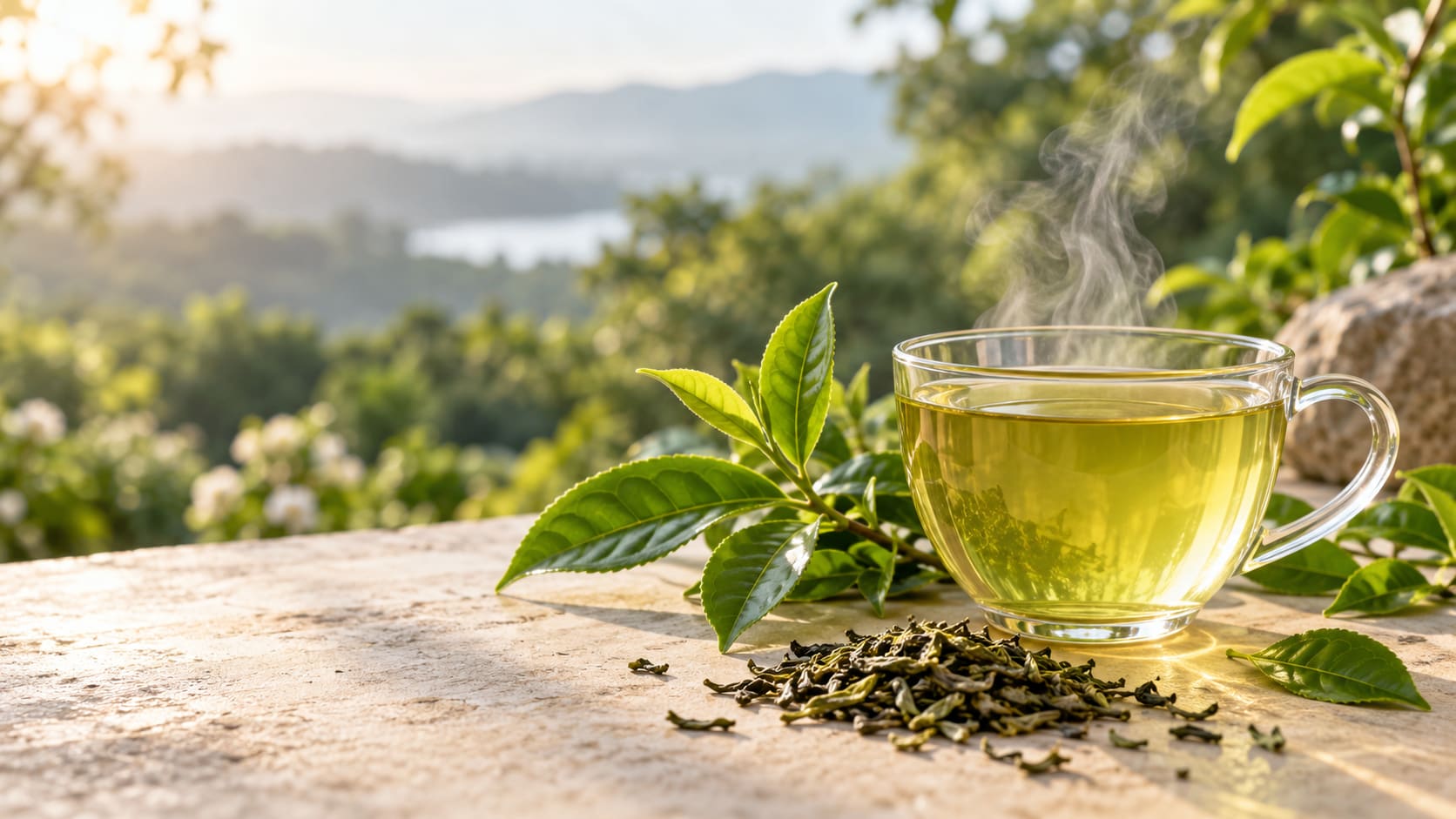
Black, green, white, oolong and pu-erh are made from Camellia sinensis. Unless decaffeinated, they all contribute caffeine.
Their colour and flavour do not reliably tell you how much. One laboratory study of commercial teas found overlapping caffeine levels across black, green and white varieties, with no clear pattern by tea type. A delicate white tea can therefore contain more caffeine than you expect.
Choose a tea you enjoy, then consider its serving size and caffeine information. Descriptions such as “light”, “gentle” or “delicate” describe the drinking experience; they are not caffeine measurements.
Matcha also needs to be counted. Ask cafés how much powder they use and whether they have caffeine information for the finished drink rather than assuming a matcha latte is a low-caffeine alternative.
Decaf can keep the familiar ritual
Decaffeinated tea is an option if you enjoy English Breakfast but want to reduce your caffeine intake. It still contains some caffeine, and the amount varies by product. The same laboratory study found less than 12 mg per serving in the decaffeinated teas it tested; that result should not be treated as a universal value.
You may need to try a few brands to find a flavour you like. There is no need to replace your favourite style with a herbal blend simply because you are pregnant.
Herbal tea: check the ingredients
Pregnancy research on many herbs is limited. Australian guidance recommends discussing herbal teas with your doctor, midwife or pharmacist and limiting them to two cups a day in total. That limit does not make every herb suitable.
Read the full ingredient list, including in products marketed as “pregnancy tea”. A blend’s name may highlight ginger or rooibos while other ingredients need separate consideration.
NSW MotherSafe also notes that herbal products can interact with medicines, and their safety information is often less complete than that available for conventional treatments.
Ginger and peppermint
Ginger may help with pregnancy nausea, although the evidence is not conclusive. The 2015 Cochrane review found some benefit in studies but described the overall evidence for ginger as limited and inconsistent. Research on measured ginger preparations does not establish a standard dose for a homemade cup of tea.
Australian guidance lists ginger and peppermint teas as likely safe in moderation. Neither should be treated as a substitute for assessment when nausea or vomiting is persistent or severe.
If peppermint seems to worsen your heartburn, choose another drink. Peppermint oil can cause heartburn, and medicinal oils or concentrated preparations should not be treated as equivalent to brewed tea.
Rooibos and honeybush
Rooibos and honeybush are commonly chosen as caffeine-free alternatives. However, this article should not describe them as proven safe throughout pregnancy or breastfeeding: that would require stronger pregnancy-specific evidence.
If either is becoming a daily staple, ask your maternity care provider about the particular product and amount. Check blends for added ingredients too. Claims about antioxidants or trace minerals do not establish a pregnancy benefit.
Chamomile, raspberry leaf and other herbs
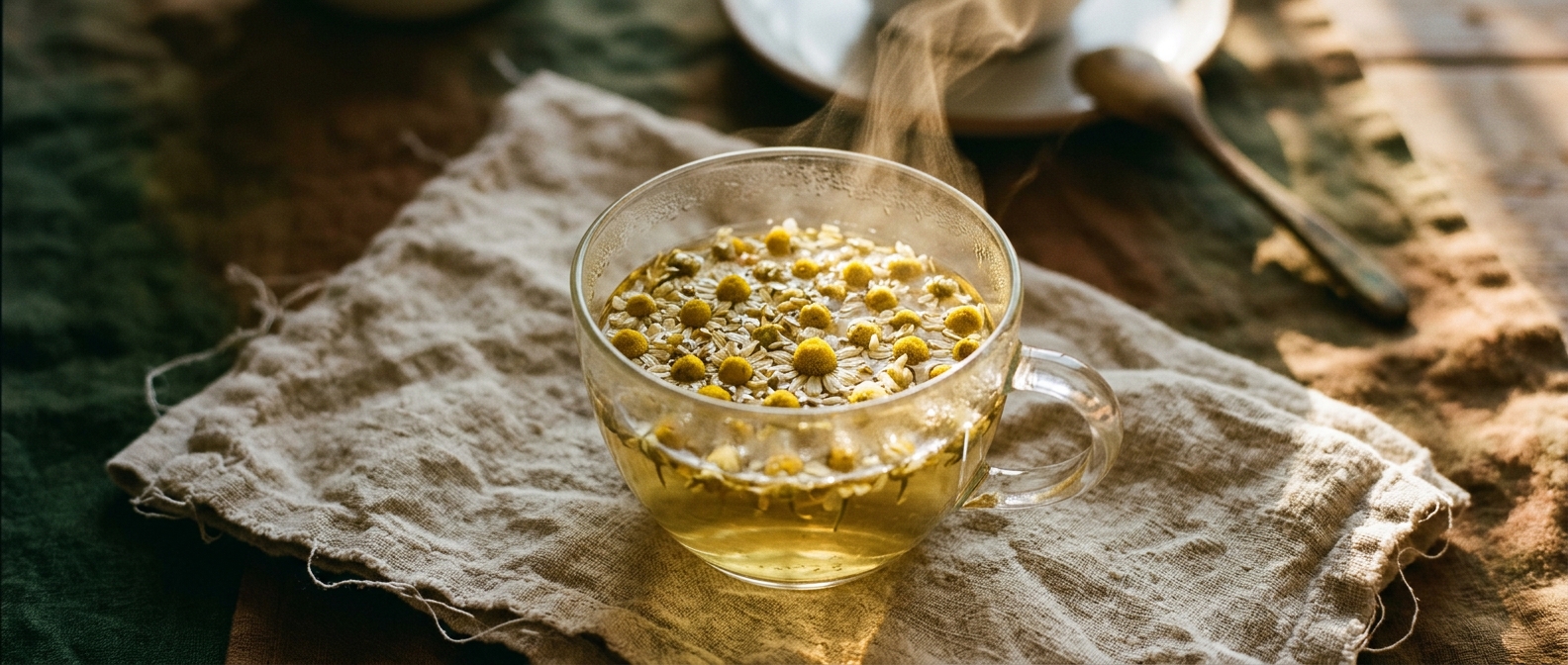
Chamomile has limited pregnancy safety information. Australian guidance advises avoiding large quantities because of reported concerns; this does not establish that an occasional cup causes harm.
Raspberry leaf is traditionally used to prepare for labour, but it has not been shown reliably to help. NSW MotherSafe says it cannot specifically recommend its use. There is insufficient basis here for prescribing a universal start date of 32 or 36 weeks, or a daily cup schedule. Discuss it with your maternity care provider before using it.
Avoid teas containing liquorice root during pregnancy, in line with NHS advice.
For blends containing nettle, fennel, fenugreek, sage, parsley or lemon balm, seek advice about the actual preparation rather than relying on a general “safe herbs” list. A culinary ingredient and a concentrated herbal preparation can involve very different exposures.
Shopping without the marketing claims
Start with a clearly labelled product and a complete ingredient list. Look for caffeine information where available, and be cautious about promises to “prepare the uterus”, “detox” or treat pregnancy symptoms.
“Organic”, “natural” and “pregnancy blend” are not substitutes for checking the ingredients and the evidence. A retailer can explain what is in a product; your doctor, midwife or pharmacist is better placed to assess whether it suits your pregnancy.
Does tea count towards fluid intake?
Yes, tea contributes to fluid intake. Australian and New Zealand nutrient reference values give an adequate intake of about 2.3 litres of fluids daily for pregnant adults aged 19–50, with total water—including food—of about 3.1 litres. Requirements can increase with heat and activity.
Keep water as your everyday starting point and choose other drinks with their caffeine and ingredients in mind.
There can still be pleasure in the ritual: a favourite mug, a familiar flavour and a few quiet minutes while the kettle boils. Pregnancy does not require the perfect tea collection—just clear information about what goes into your cup.
Follow The Tea List