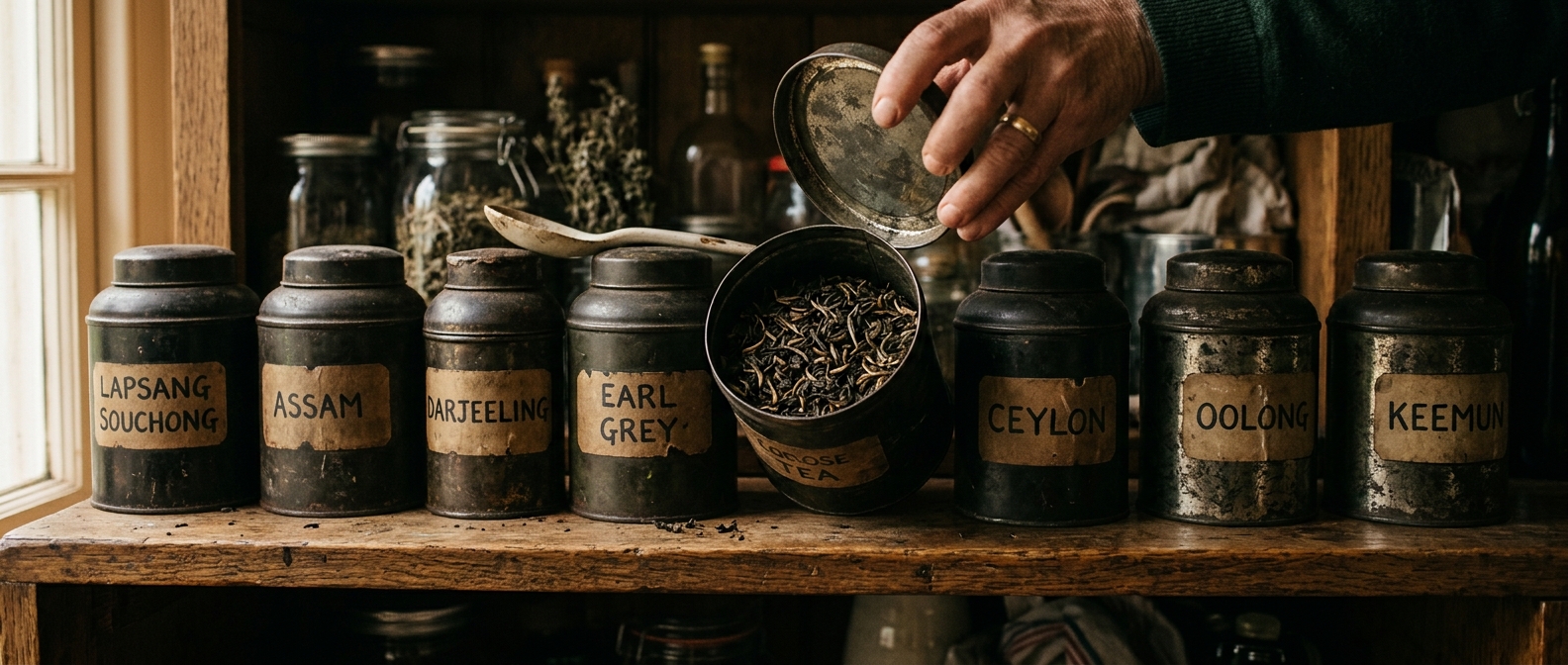
Iced Tea vs Cold Brew Tea: What's the Difference?
Both drinks are cold and refreshing, but iced tea and cold brew tea are made completely differently. One's fast, one's slow — and the flavours? Totally different too.
Amina
· 7 min read
Last summer, I made iced tea for my cousins. I brewed it hot, poured it over ice, and they loved it. A week later, my uncle brought over cold brew tea from a café in Newtown. It looked the same. It tasted completely different. Smoother. Sweeter. Less bitter. I wondered: aren't they the same thing?
Turns out, no. Iced tea and cold brew tea might both be cold, but they're made in totally opposite ways. And that changes everything — the taste, the caffeine, even how long you have to wait. Let me explain what I learned.
How Iced Tea Is Made
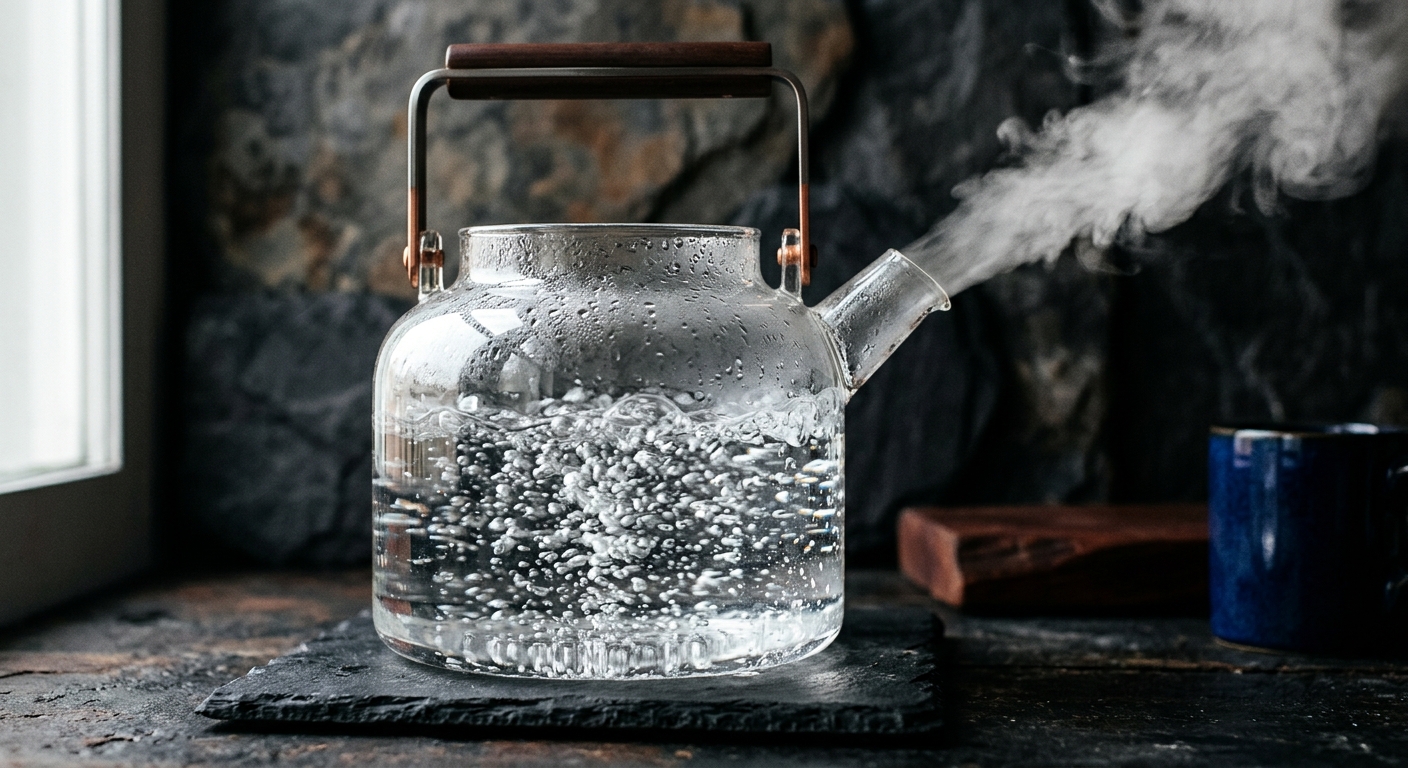
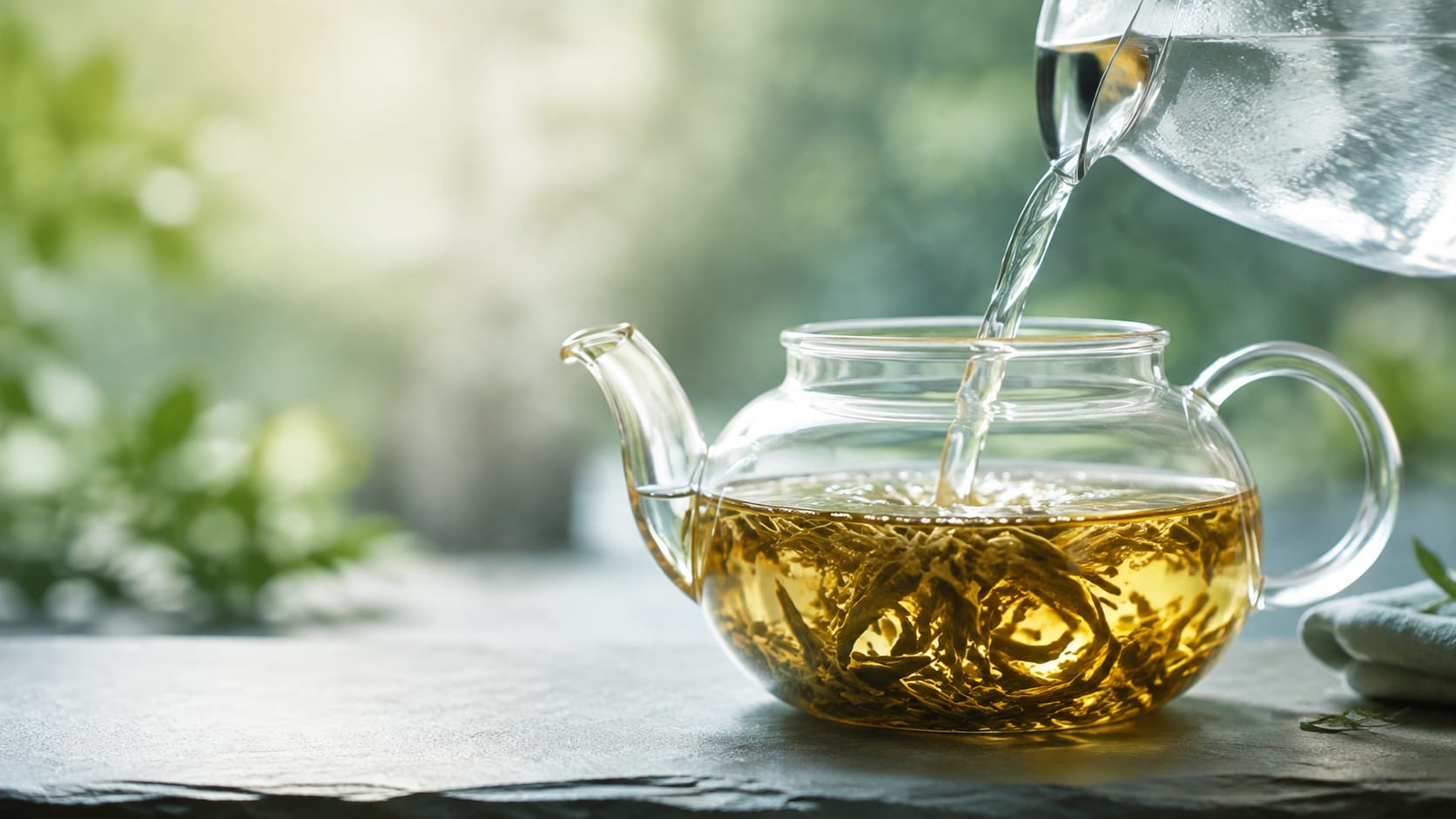
Iced tea starts with hot water. You brew tea leaves the normal way — boiling or near-boiling water, steep for a few minutes, then remove the leaves. After that, you cool it down fast. Most people pour it over a glass full of ice. Some people let it cool in the fridge first.
The heat pulls out flavour quickly. It also pulls out tannins, which are natural compounds in tea that make it taste bitter or dry (think of how black tea can make your mouth feel tight). Hot water is good at extracting these things. That's why iced tea can sometimes taste strong or sharp, especially if you steep it too long.
In Australia, this is the classic way. My grandma makes it with English Breakfast or Ceylon tea, then adds lemon and a bit of honey. She says the hot brew gives it backbone. It takes about 10 minutes total if you're fast.
How Cold Brew Tea Is Made
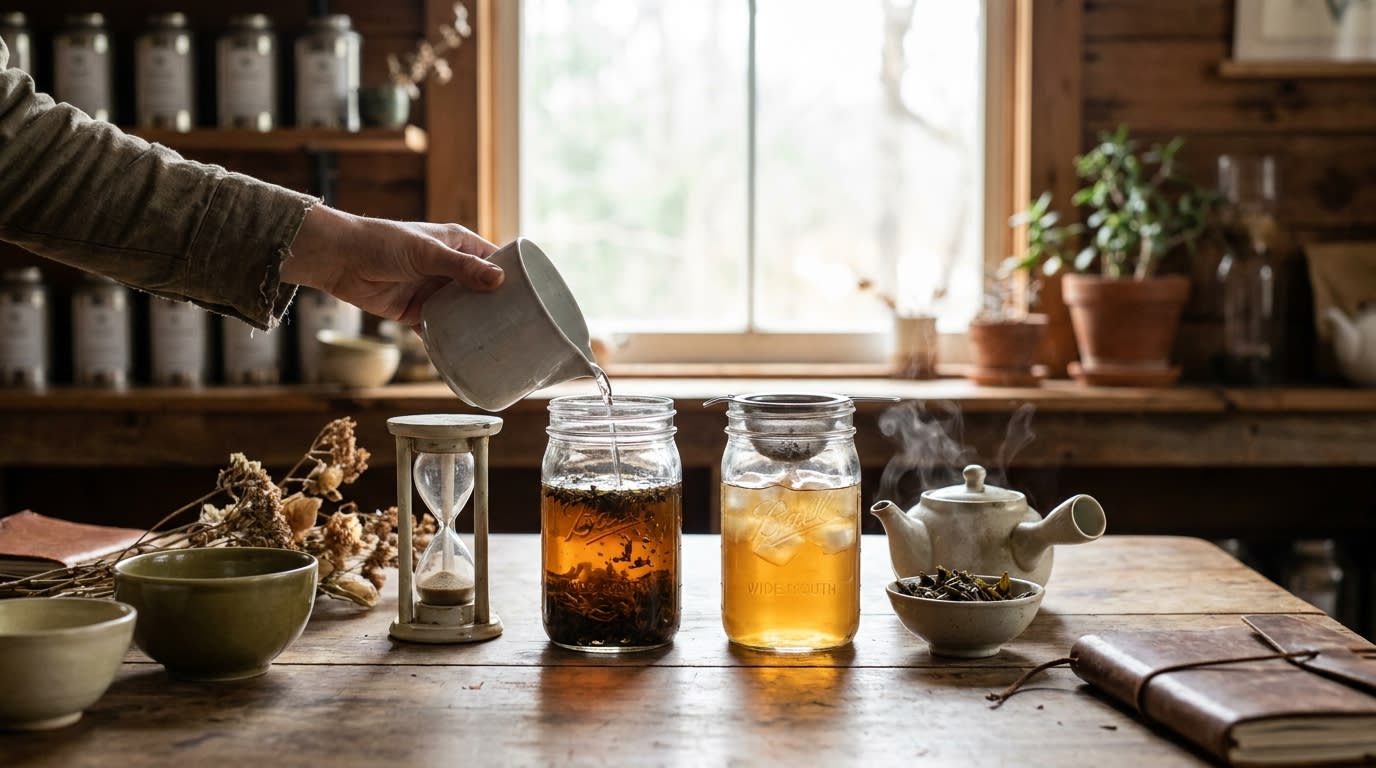
Cold brew tea never touches hot water. You put tea leaves in cold water in a clean, covered jug, and wait in the fridge. A long time. Usually 6 to 12 hours, or whatever the tea's packaging suggests. Keep it refrigerated the whole time—leaving tea leaves in water on the bench is a food-safety risk, not a shortcut.
Because the water is cold, it extracts flavour really slowly. It pulls out the sweet and delicate notes first — floral tastes, fruity hints, natural sugars. Tannins don't dissolve as much in cold water, so cold brew tastes smoother and less bitter. Some people say it's almost silky.
Cold brewing takes patience. You can't rush it. But the payoff is a drink that's gentle and refreshing, even if you use a tea that's normally strong or astringent (astringent means it makes your mouth feel dry). It works best with plain Camellia sinensis teas—green, white, oolong, black; for herbal or fruit mixes, follow the packet.
I tried cold brewing sencha at home once. I left it overnight in a jug. In the morning, it tasted grassy and sweet, nothing like the sencha I'd had hot. My dad loved it.
The Flavour Difference
This is the biggest thing. Iced tea vs cold brew tea really comes down to flavour.
Iced tea tastes bold. The hot water grabs everything from the leaves — the tannins, the caffeine, the deep flavour. When you cool it down, those strong notes are still there. If you like your tea with character, iced tea delivers. It's bright, punchy, sometimes a little bitter. Perfect if you're adding milk, sugar, or fruit.
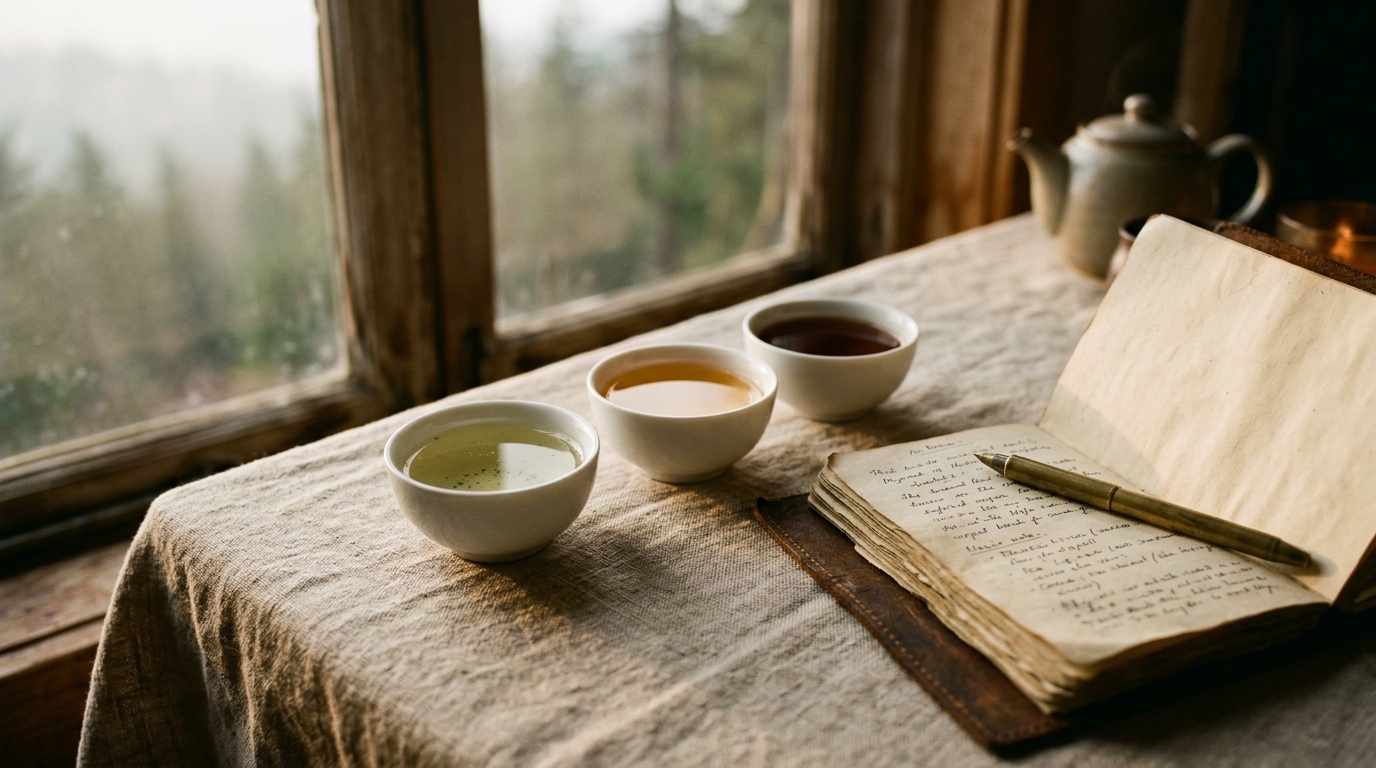
Cold brew tea tastes gentle. The cold water only takes what dissolves easily — sweetness, light florals, soft vegetal notes (vegetal means plant-like, like fresh greens). It's naturally smoother. Less astringent. Many people say they don't need to add anything because it already tastes subtly sweet.
Some teas suit cold brew better. Green teas, white teas, and oolongs shine when cold brewed. They're delicate to begin with, and cold water brings out their best side. Black teas and roasted oolongs still work, but they lose some boldness.
Have you ever noticed how a cold drink tastes different in Melbourne's dry summer heat versus Sydney's humid coast? Temperature and air change how we taste. Cold brew feels lighter in both, but iced tea's sharpness can be more refreshing when it's really sticky outside.
Caffeine Content
People always ask which one has more caffeine. The answer: iced tea usually does.
Caffeine dissolves better in hot water. When you brew tea with boiling water, you pull out most of the caffeine in just a few minutes. Then you cool it down, but the caffeine stays in the drink. So a glass of iced black tea has almost as much caffeine as a hot cup of the same tea.
Cold brew extracts caffeine slowly, but it still extracts it. Over a long steep the caffeine in the jug can end up anywhere from clearly lower to roughly the same as a hot brew of the same leaf—it depends on the tea, the amount of leaf and the hours. So cold brew is not automatically a low-caffeine drink, and you can't know a particular jug's caffeine without product-specific data.
If you're sensitive to caffeine, cold brew may be gentler, but the only reliable way to cut caffeine is to use less leaf, a shorter steep, or a naturally caffeine-free herbal infusion. Everyone's sensitivity is different, so pay attention to how you respond rather than assuming.
Several Australian tea retailers now sell bags or blends made for cold brewing. Follow the product's own instructions—especially for fruit and herbal mixtures, some of which are meant to be brewed with boiling water first for safety and only then chilled. Don't assume every blend is suitable for a cold-only steep.
Time and Effort
Iced tea is fast. Boil water, steep 3–5 minutes, cool. You can drink it in 15 minutes if you use lots of ice. It's great when friends come over unexpectedly or when you need something quick on a hot Canberra afternoon.
Cold brew is slow. You set it up the night before or in the morning for evening. It requires planning. But the actual effort? Almost zero. You just put leaves and water in a jug, close it, put it in the fridge, and forget about it. No watching, no timing, low risk of over-steeping.
I like cold brew when I'm organised. My mum likes iced tea because she's never organised.
Which One Should You Try?
Both. Honestly. They're different experiences.
Make iced tea when you want something now, something strong, or something you plan to flavour. Add lemon, mint, ginger, or a splash of peach juice. Iced black teas and robust oolongs work best.
Make cold brew when you want smoothness, when you have time, or when you're using a delicate tea. Green teas, white teas, and high-mountain oolongs love cold water. It's also fantastic if you're not big on sweeteners — the natural sweetness comes through without any sugar.
In summer here in Australia, a jug of cold brew jasmine green tea in the fridge is a lovely thing to have. Strain out the leaves once it's brewed, keep it covered and cold, and drink it within a day or two—there's no tested "safe" shelf life for home cold brew, so treat it like any other fresh drink. For guests, iced Ceylon with lemon is fast and people know the flavour.
One trick: some people do a hybrid. Brew tea hot but with half the usual water. Steep it strong. Then pour it over ice to dilute and cool it instantly. You get bold flavour with less bitterness because you're not over-extracting. It's called the flash-chill method, and a few cafés in Brisbane use it.
What I Use at Home
I keep it simple. For iced tea, I use whatever black or oolong tea we have — usually loose leaf from T2 or Tea Drop (a Melbourne brand). I steep 1 teaspoon per 250ml of boiling water for 4 minutes, then pour over ice.
For cold brew, I use 1 tablespoon of green tea (sencha or jasmine) per litre of cold water. I put it in a jug with a lid, leave it in the fridge overnight, and strain it in the morning. Sometimes I add a slice of cucumber or a sprig of mint before I chill it. My grandma thinks that's weird, but I like it.
You don't need special equipment. A jug, a strainer, and a fridge. That's it.
One Last Thing
In everyday language, cold brew is also a kind of iced tea—it's cold tea in a glass. This article compares the two ways of making it. And the difference isn't just about hot or cold water. It's about what you want from your drink. Fast or slow. Bold or gentle. Strong or smooth. Neither one is better. They're just different tools for different days.
Next time it's 35°C outside and you're thinking about cold tea, ask yourself: do I have time to wait, or do I want it now? That'll tell you which one to make.
Now I keep both in my fridge during summer. It makes me feel like a real tea editor. 🍵
Follow The Tea List