White Tea: The Most Delicate (and Misunderstood) Tea
Almost no processing, not especially low in caffeine — and a flavour profile most drinkers have never properly tasted. A primer on the gentlest tea family.
Sameera
· 6 min read
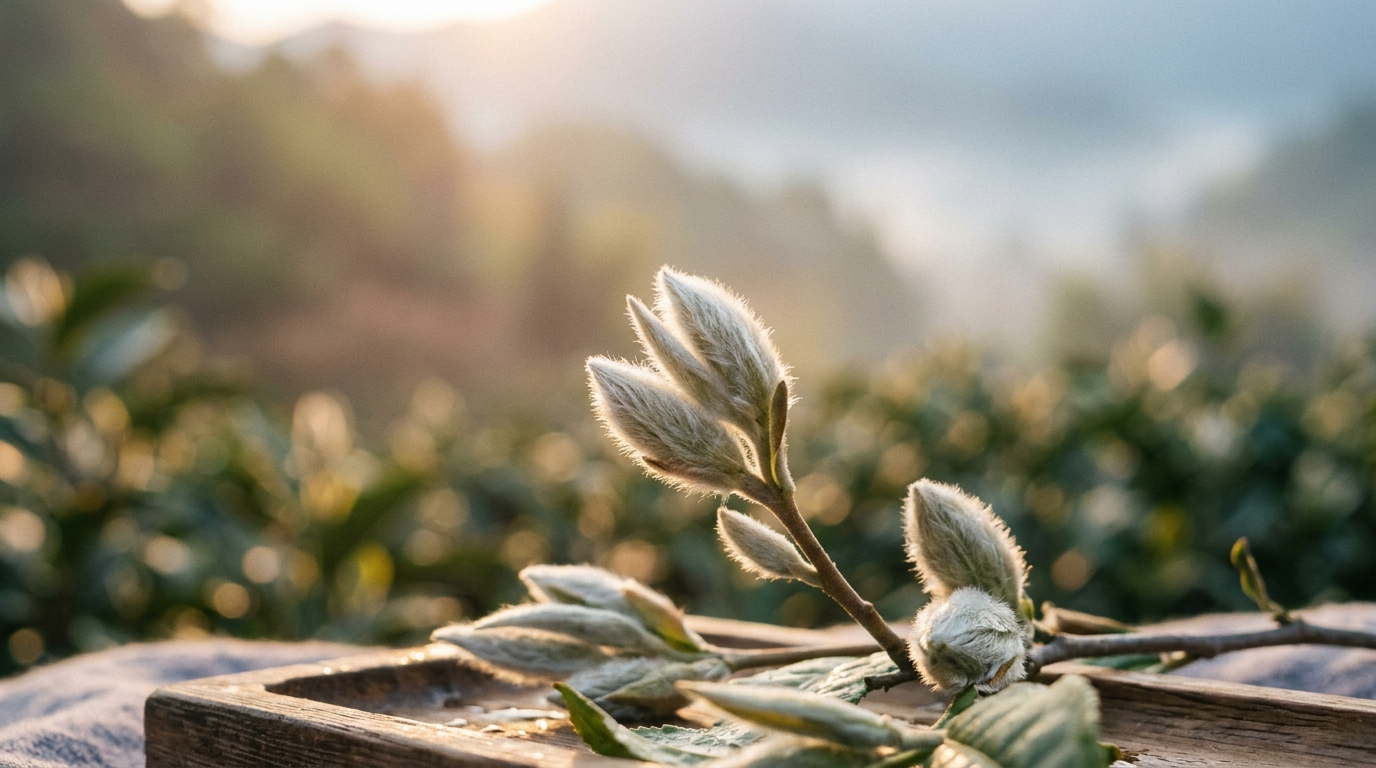
White tea has the strangest reputation of any tea family. Marketed by wellness brands as 'the rare one with the highest antioxidants', often sold in over-priced sachets, frequently claimed to be caffeine-free — almost everything Western consumers think they know about white tea is wrong, or oversimplified.
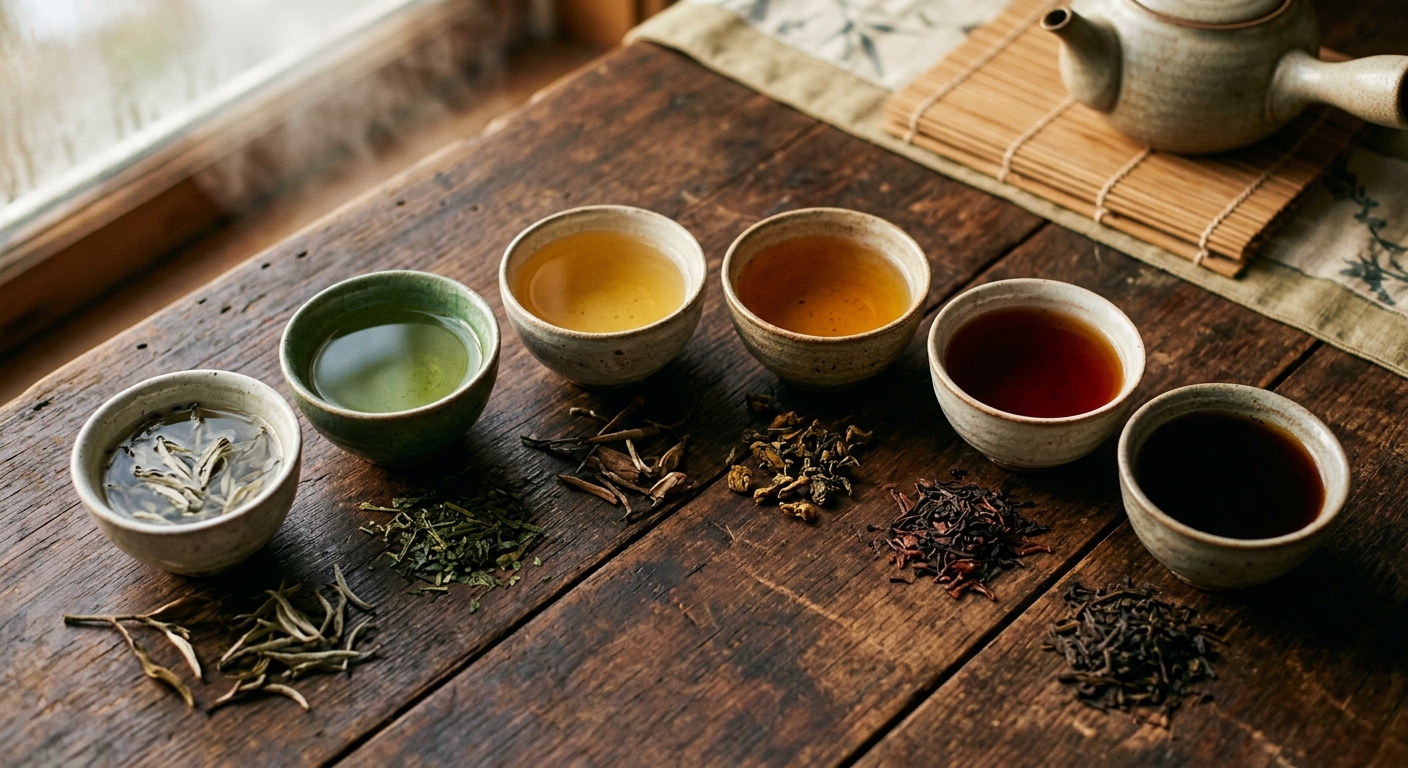
What white tea actually is. White tea is the least processed of the six families. Young leaves and buds are picked, withered for a day or two (sun or indoors), and dried. There is no rolling, no kill-green firing, and only light natural oxidation. The plant is essentially preserved as-picked.
The two classics. Silver Needle (Bai Hao Yin Zhen) is made entirely from young leaf buds, covered in fine silver-white down. The cup is pale, sweet, with notes of melon, cucumber, and honeysuckle. White Peony (Bai Mu Dan) uses buds with one or two young leaves, producing a fuller-bodied, slightly grassier, more affordable cup. Both come from northern Fujian province in China.
The caffeine myth. White tea is not caffeine-free. It can contain as much caffeine as green tea — roughly 20–60 mg per 240 ml — sometimes more, because young buds are caffeine-rich. The 'low caffeine' marketing is simply false.
The flavour secret. Because white tea is so delicate, it forgives almost no brewing mistakes. Use water just off the boil for white peony, 80°C for silver needle. Use a generous amount of leaf — at least 4 grams per cup. Steep for three to five minutes. The flavour comes in slowly; it does not punch you in the face like a black tea.
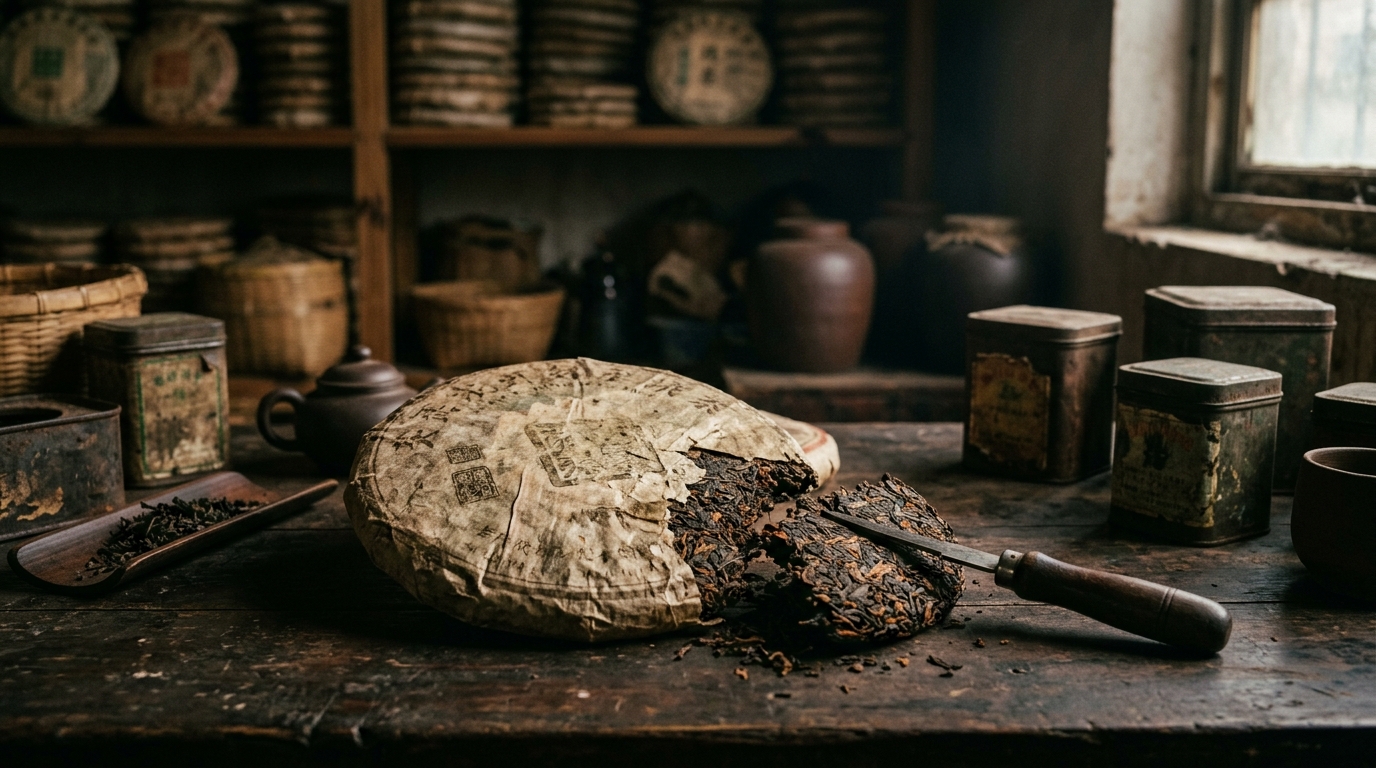
Aged white tea. Less famous than aged pu-erh, but real and increasingly popular — and a reminder that not all white tea is fragile stock to be drunk within months. Fresh Silver Needle is best young and stored like a green tea; white tea cakes pressed for ageing are kept, like pu-erh, in stable, odour-free conditions and develop deeper, fruitier, more medicinal notes over five to ten years. A well-aged Shou Mei tastes like dried apricot and cedar. Worth seeking out if you fall in love with the family.
White tea is not the most exciting tea you'll ever drink. It is, however, one of the quietest, most contemplative — the closest you can come to drinking the leaf itself, with the maker's hand barely visible.
Follow The Tea List