The Six Families of Tea: A Complete Beginner's Guide
White, green, yellow, oolong, black, dark — every tea in the world belongs to one of six families. Here's how to recognise them all.
Sameera
· 12 min read
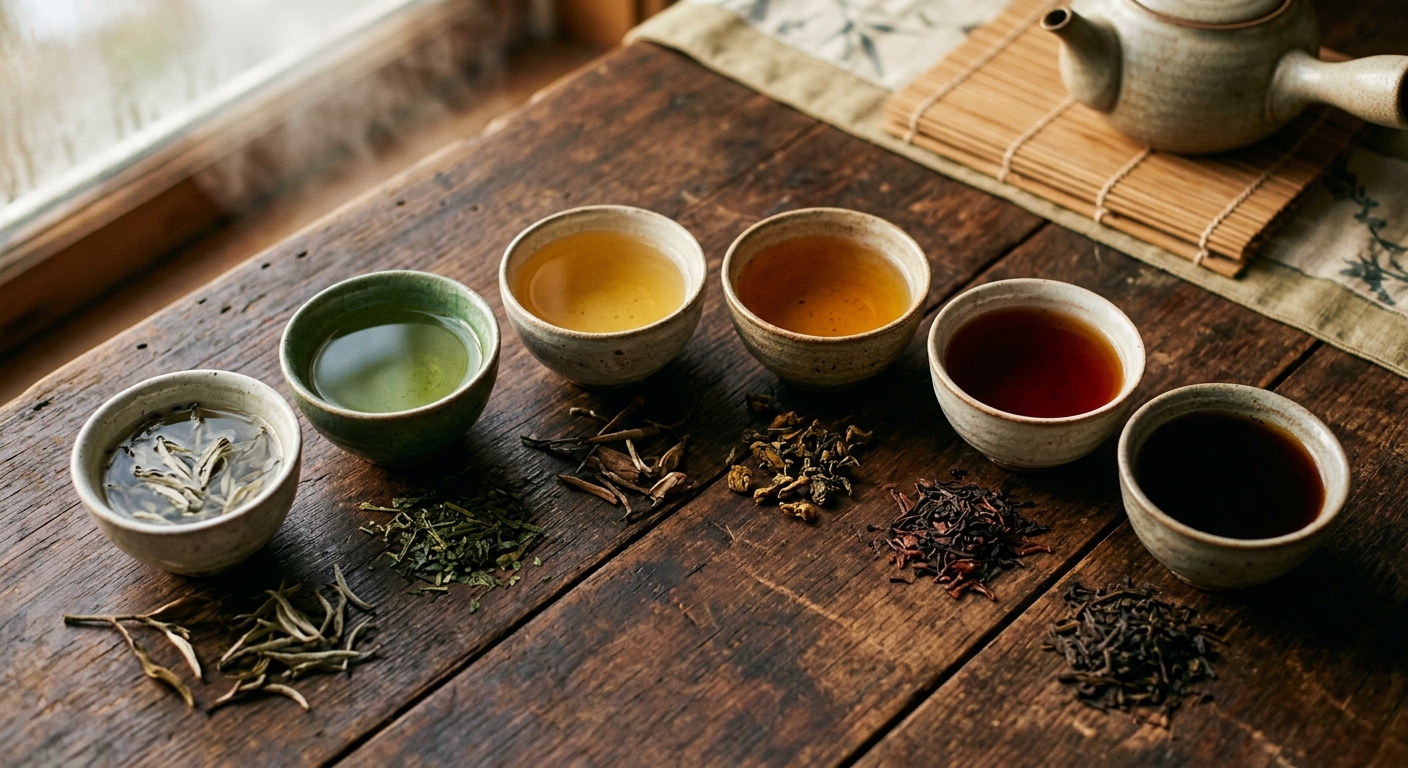
All real tea comes from a single plant, Camellia sinensis. The six recognised families of tea are not different plants — they are different ways of treating the same leaf after picking. Once you understand the families, every tea on every menu starts to make sense.
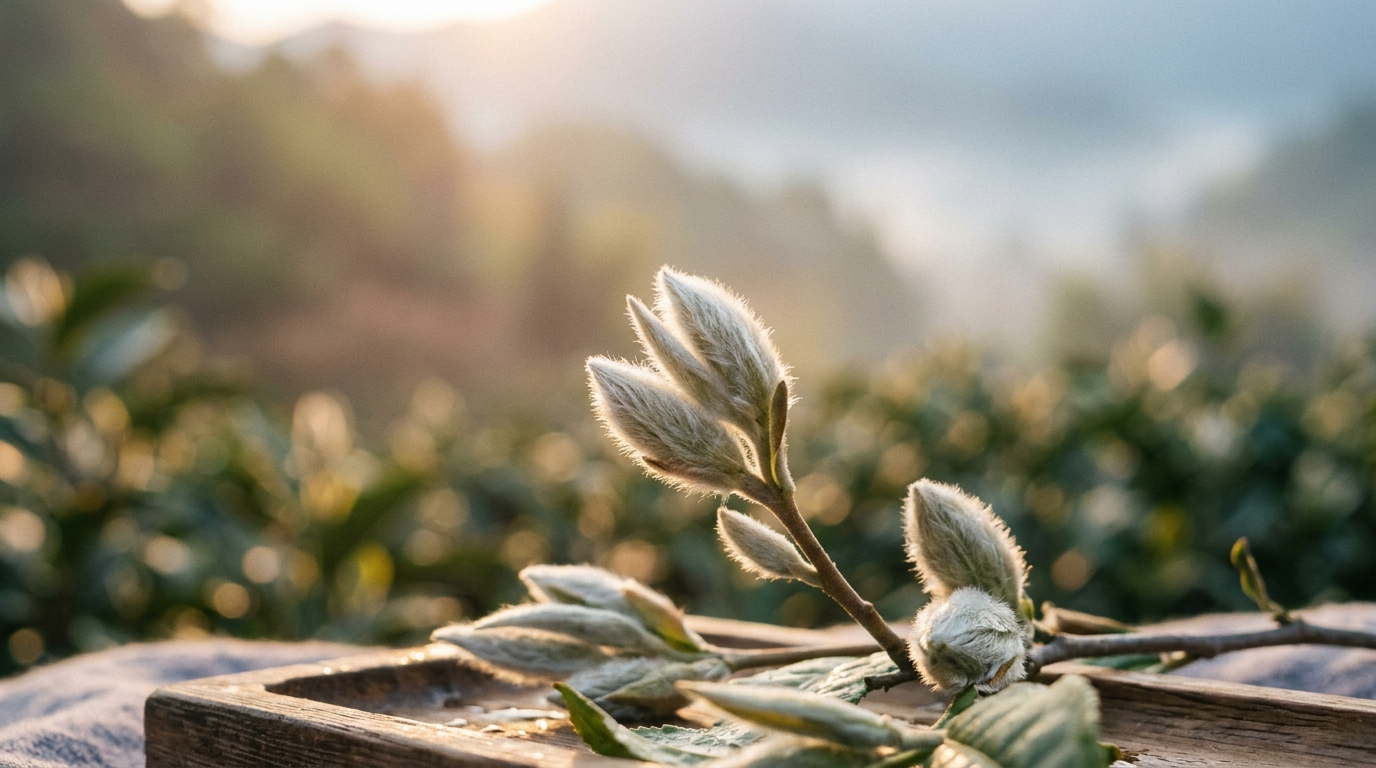
White tea is the least processed. The young, downy buds are withered in sun or indoors and then gently dried. There's little to no rolling, gentle low-temperature drying rather than pan-firing, and only light natural oxidation. Expect a pale liquor, a soft sweetness, and notes of melon, peach, or hay. Silver Needle and White Peony are the classics.
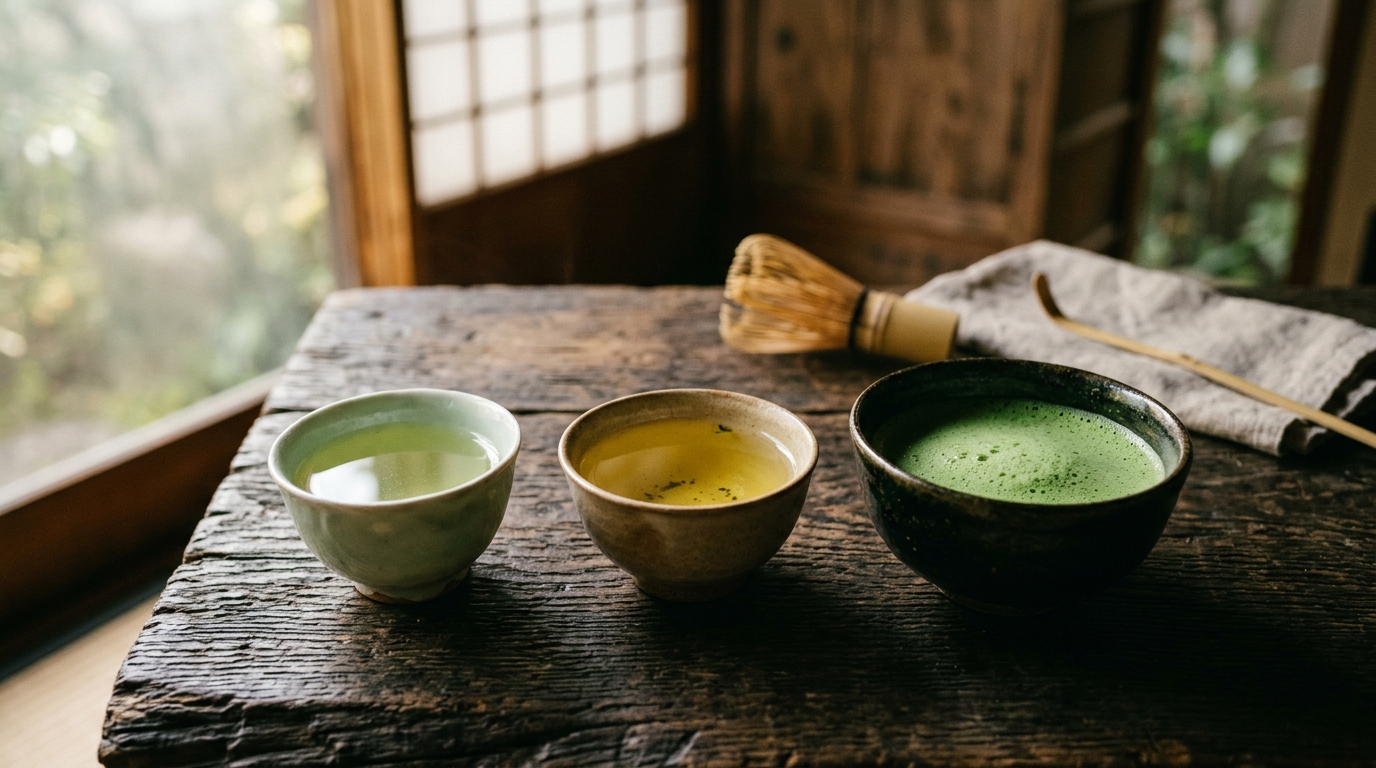
Green tea is leaf that has been heated quickly after picking — pan-fired in China, steamed in Japan — to halt oxidation. The character is fresh, vegetal, often grassy or marine. Japanese sencha tastes of seaweed and steamed spinach; Chinese Longjing of toasted chestnut.
Yellow tea is the rarest of the six. After an initial heating step, the leaves are wrapped in paper or cloth and left to undergo a gentle yellowing process called men huang. The result tastes like a mellower, sweeter green — fewer rough edges, more buttered corn. Junshan Yinzhen is the benchmark.
Oolong is partially oxidised, typically somewhere between 10% and 80% depending on style, and the variation within the family is enormous. Lightly oxidised, rolled-ball oolongs from Taiwan taste of orchid and cream. Heavily oxidised, roasted oolongs from China's Wuyi mountains taste of stone fruit and woodsmoke.
Black tea (called red tea in China) is heavily oxidised. Indian Assam is malty and brisk; Sri Lankan Ceylon is bright and citric; Chinese Keemun is subtle, with notes of cocoa and pine. This is the family that built the British tea trade.
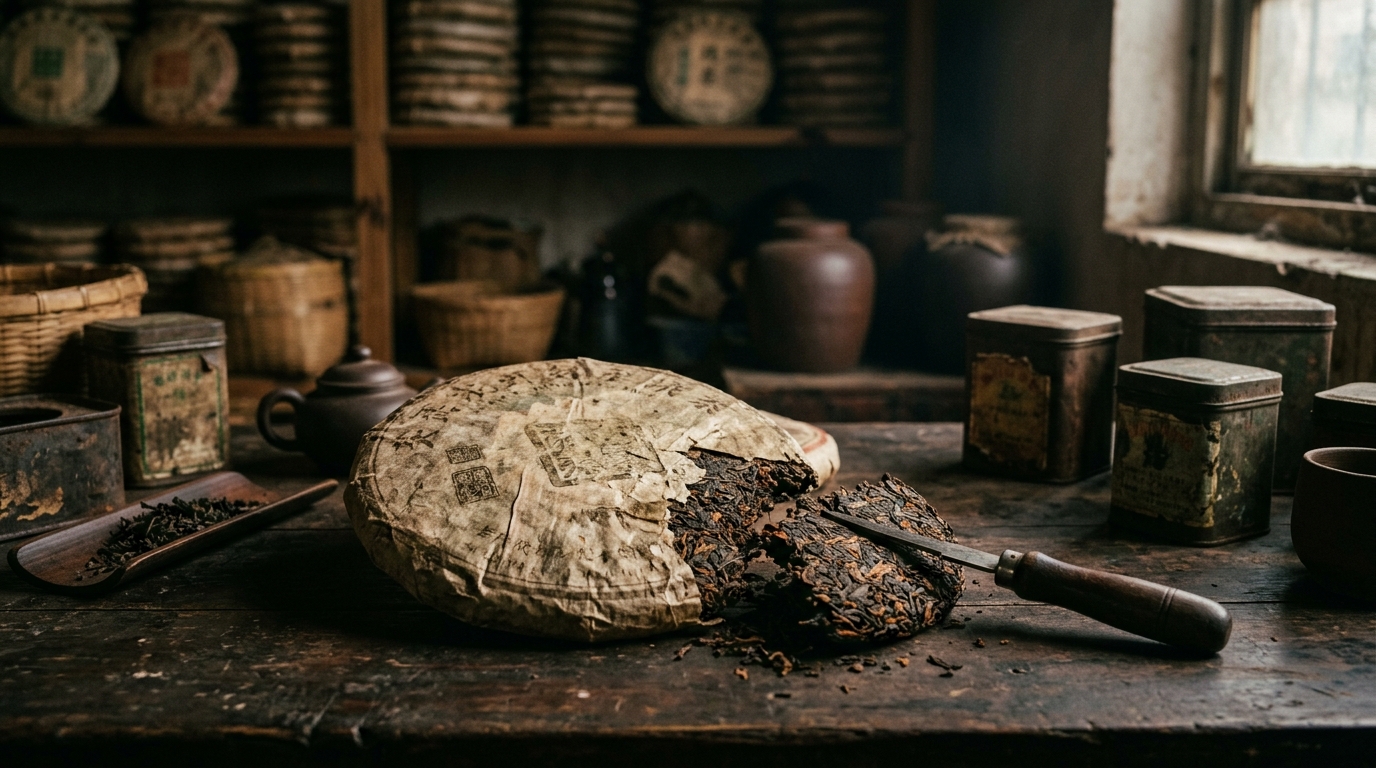
Dark tea is post-fermented — aged, often for years, with the help of microorganisms. Pu-erh from Yunnan is the most famous example. Dark teas are a category that can genuinely improve with age.
Memorise the families. Once you know them, every new tea has a starting point.
Follow The Tea List