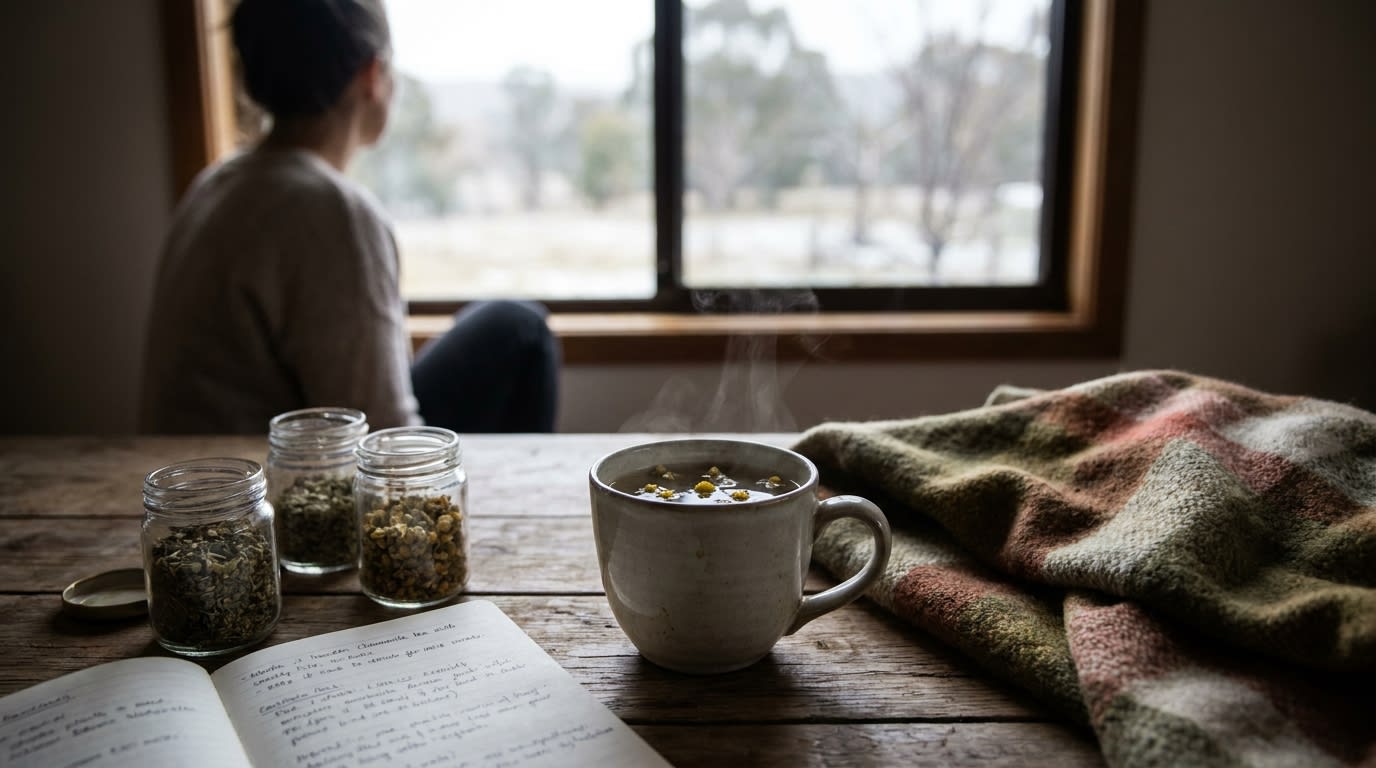
Tea and Chocolate: Unexpected Pairings That Work
Match dark roasted oolongs with single-origin dark chocolate, aged pu-erh with high-cocoa bars, malty Assam with milk chocolate. A complete chocolate pairing matrix of suggestions to taste for yourself.
Sameera
· 6 min read
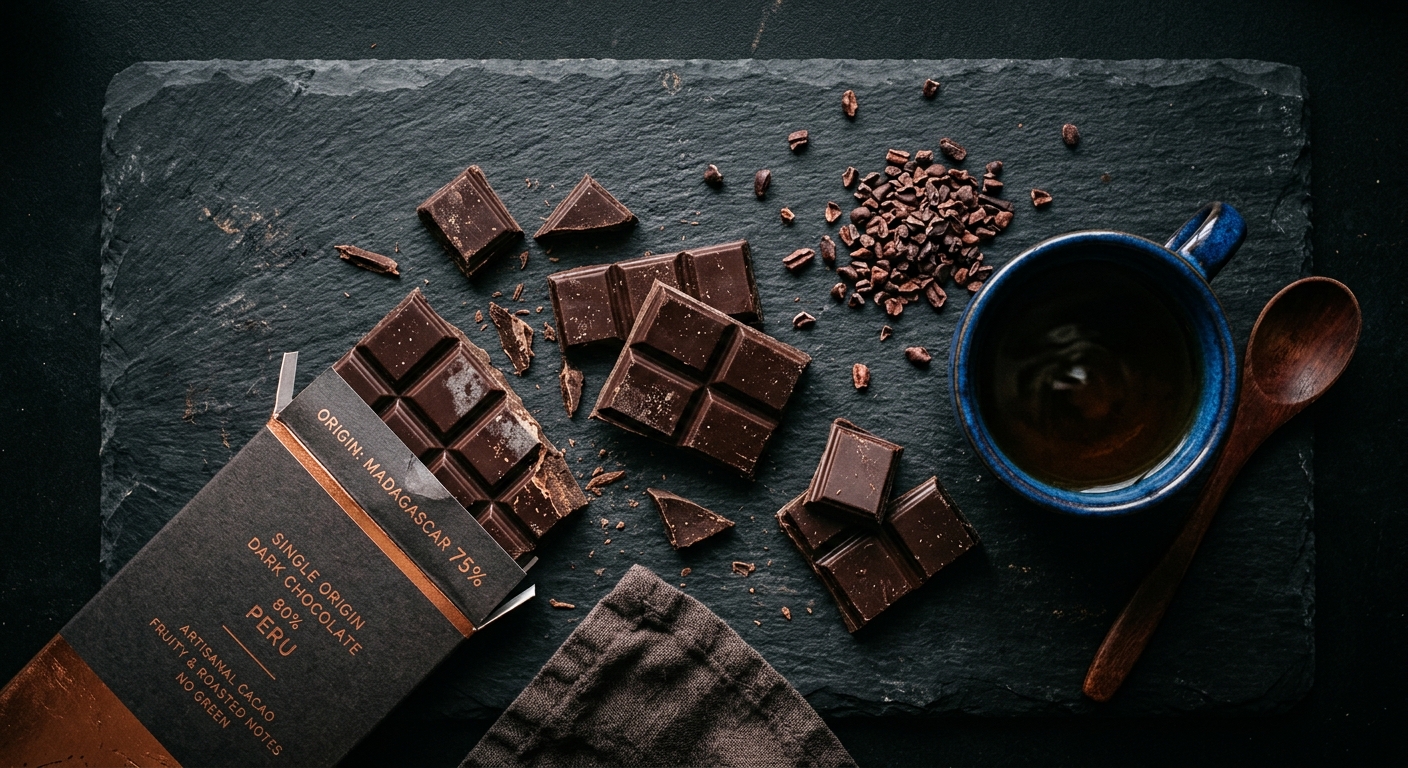
Chocolate is fermented; some teas are fermented or aged; both can be bitter and complex — and pair together as elegantly as wine and cheese, when matched well. Here's the working matrix.
Dark chocolate (often 50–85% cocoa; try 70%+ here). Bitter, intense, often fruity at the high-cocoa end. Pair with: a heavily roasted Wuyi oolong (the smoke and stone-fruit notes echo the chocolate's roasted character), an aged shou pu-erh (the earthy fermentation can echo the cocoa's own fermented depth), or a smoky Lapsang Souchong (for chocolates with leather or tobacco notes).
Single-origin dark chocolates. Origin is a loose guide to flavour, not a guarantee—maker, bean variety and roast matter as much as country. As starting points: a bright, citric Madagascar-style bar suits a Darjeeling first flush; a smooth, fruity Venezuelan-style bar suits a Tieguanyin oolong; a smoky, complex Vietnamese-style bar suits a roasted oolong or aged sheng pu-erh. Taste your actual bar first and adjust.
Milk chocolate. Sweeter, creamier, less complex. Pair with: a malty Assam (the maltiness echoes the milk-and-sugar character), a Yunnan Dianhong (golden tips, honeyed), or a Darjeeling second flush (the muscatel grape notes against the dairy).
White chocolate. Vanilla-and-cream-led. Pair with: a Silver Needle white tea (the floral delicacy doesn't compete), a sencha (the grassy umami contrasts beautifully), or a jasmine green tea.
Chocolate with inclusions.
• Salted caramel chocolate + Lapsang Souchong (smoke and salt)
• Hazelnut chocolate + Houjicha (the roasted-nut notes echo)
• Orange-and-dark-chocolate + Earl Grey (bergamot bridges everything)
• Mint chocolate + a roasted Tieguanyin (the menthol contrast)
The method. Brew the tea first. Take a small sip. Eat a small piece of chocolate, and let it melt on the tongue — don't chew. Take another sip of tea while the chocolate is still in your mouth. Pay attention to whether the flavours are competing or completing each other.
A clashing pairing can make both elements taste worse; a good one makes both taste like they were designed for each other. These are suggestions, not rules—palates differ. Chocolate-and-tea evenings are an underrated weekend project: two good chocolates and three good teas is one of the better small indulgences in food.
Follow The Tea List